
The Illusion of Abundance
Dirt is not infinite. While the industry insists that Morocco's vast reserves can feed the world for centuries, the actual cost of extraction and environmental degradation makes those numbers a fantasy. We are lying to ourselves. The math is simple. When you calculate the energy required to mine lower-grade ore and the political instability of concentrated supply chains, the timeline for depletion shrinks rapidly. The clock is ticking.
Mining is a gamble. Because we rely on a handful of geopolitical hotspots to provide the primary nutrient for every single calorie humans consume, one trade war can starve a continent. The risk is extreme. We ignore it. The industry prefers to focus on the sheer volume of rock in the ground rather than the logistical nightmare of moving it across oceans. Luck is not a strategy.
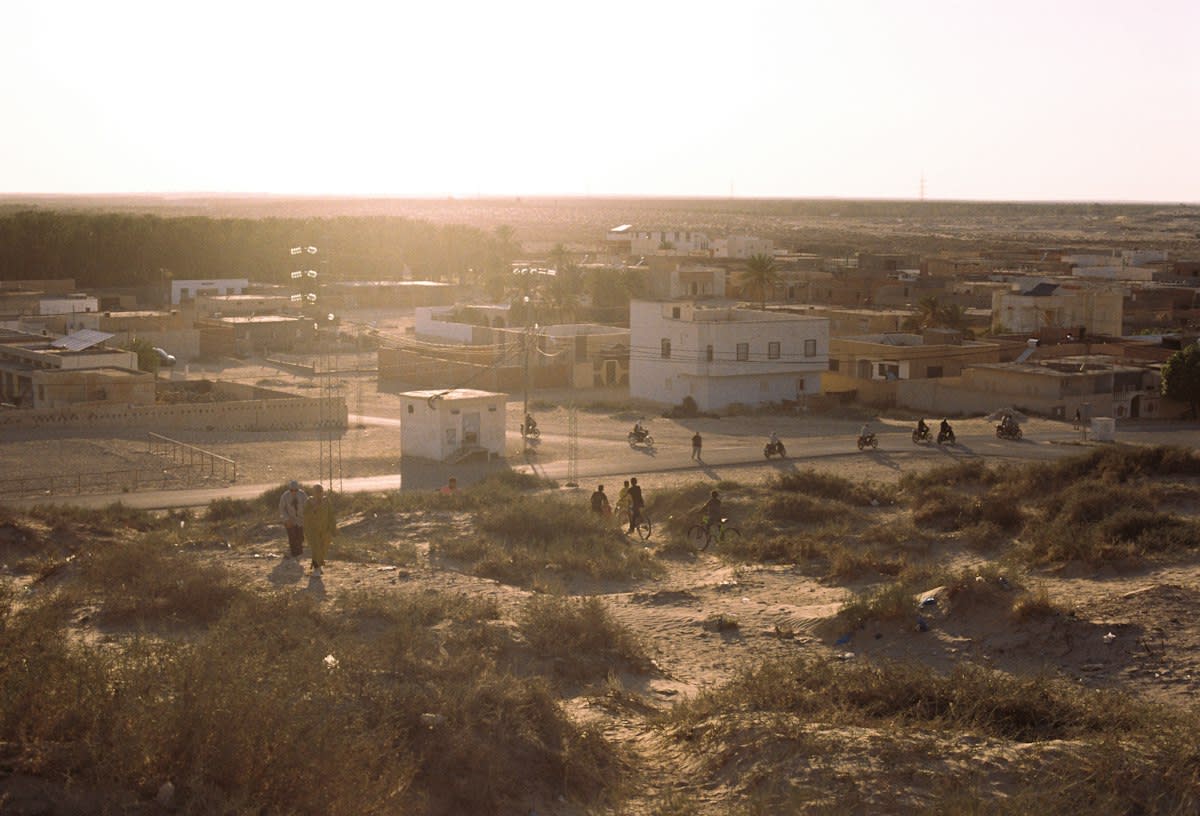
Concentration creates fragility. Morocco currently controls approximately 70 percent of the world's known phosphate rock reserves (Source: USGS, 2023). This is a dangerous default. We see it in Brazil. The agricultural powerhouse of South America imports the vast majority of its phosphorus, leaving its soy and corn yields hostage to shipping costs and diplomatic whims. The dependency is absolute.
| Region | Estimated Reserve Share | Primary Strategic Role |
|---|---|---|
| Morocco | 70% | Global Export Hub |
| China | 20% | Domestic Food Security |
| USA | 5% | Regional Supply |
| Other | 5% | Fragmented Mining |
Demand only climbs. Global phosphorus demand is projected to rise as population growth pushes food production to its absolute limits (Source: FAO, 2021). The pressure is mounting. We cannot mine our way out. The energy required to process rock into soluble fertilizer increases as the quality of the ore drops, creating a cost floor that will eventually break the current model. The bill is coming due.
"The reliance on a few primary sources of phosphorus represents a critical vulnerability in the global food system that cannot be solved by discovery alone."— FAO Nutrition Division, Global Report
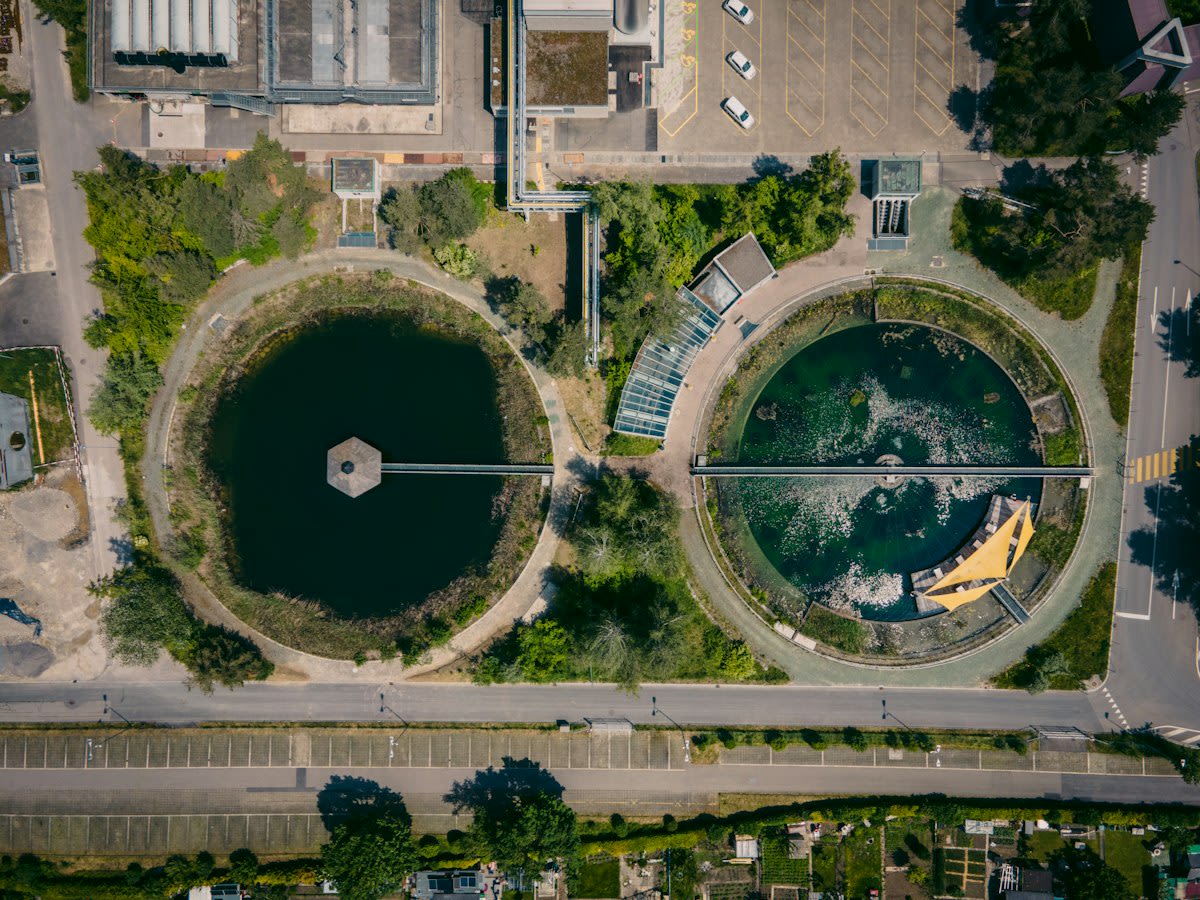
Recovery is the answer. By extracting struvite and other phosphorus compounds from municipal wastewater, cities can transform from nutrient sinks into nutrient sources. The technology exists. We lack the will. The current regulatory framework treats sewage as a waste product to be disposed of rather than a resource to be harvested for the soil. Waste is a failure.
Salesmen hate recovery. Inside the boardroom of major nutrient providers, a silent war rages between the old guard selling bags of rock phosphate and the new engineers proposing wastewater recovery. They fight over ownership. The old guard knows that a closed loop kills the recurring revenue model that has defined the agricultural chemical sector for seventy years. This is a cold war.
Regulations block progress. In many Western jurisdictions, the classification of biosolids as waste prevents their sale as fertilizer without prohibitively expensive processing. This creates a wall. It is a manufactured barrier. By keeping the legal definition of waste rigid, the mining lobby ensures that recovered nutrients cannot compete on a fair market basis. The law protects the mine.
Asia offers a lesson. In the Mekong Delta of Vietnam, farmers are increasingly experimenting with organic phosphorus sources to avoid the volatility of imported chemical fertilizers. The shift is grassroots. It is born of necessity. When the cost of bagged fertilizer spikes, the local knowledge of composting and nutrient recycling returns to the forefront of the farm. Necessity drives innovation.
Stability requires diversity. A hard turn toward circularity would involve integrating urban waste streams directly into the agricultural supply chain. This is a massive undertaking. It requires new pipes. The investment cost is high, but the cost of a total supply failure is an existential threat to global caloric intake. We must choose now.
Efficiency is not enough. Precision agriculture reduces the amount of phosphorus wasted, but it does not address the fundamental lack of new phosphorus entering the biosphere. We are just slowing the bleed. The problem is the source. Until we stop treating the earth as a warehouse and start treating it as a cycle, we remain vulnerable. The loop must close.
Fact-Check & Accuracy Note
The debate over Peak Phosphorus is split between two camps. The alarmists argue that we will run out of usable rock within a century, leading to a collapse in crop yields. Conversely, the economic substitutability theorists argue that as prices rise, the market will naturally innovate alternatives or uncover new deposits. Most academic consensus suggests the risk is not total depletion, but rather the extreme volatility of concentrated supply chains.
Markets are blind. The price of phosphate rock does not reflect the environmental cost of runoff or the geopolitical risk of its origin. This is a market failure. We subsidize the damage. By ignoring the external costs, we incentivize the most destructive form of nutrient acquisition over the most sustainable. The price is a lie.
Change is coming. As the cost of extraction rises and the staying power of traditional mining wanes, the incentive to recover phosphorus will finally outweigh the lobby's influence. This will be messy. It will be slow. But the transition to a circular nutrient economy is the only way to ensure long-term food security for ten billion people. The future is circular.
Editorial Note
This analysis avoids the typical alarmist rhetoric of a coming famine. Instead, it focuses on the economic and regulatory shifts required to move from a linear extraction model to a circular recovery model, emphasizing that the technical solutions already exist.
The path is clear. We must decouple food production from the volatility of the mining sector by investing in urban nutrient recovery and organic soil management. This is the only way. It requires courage. If we continue to rely on the luck of the draw in North Africa, we are gambling with the dinner plates of the world. The game is over.