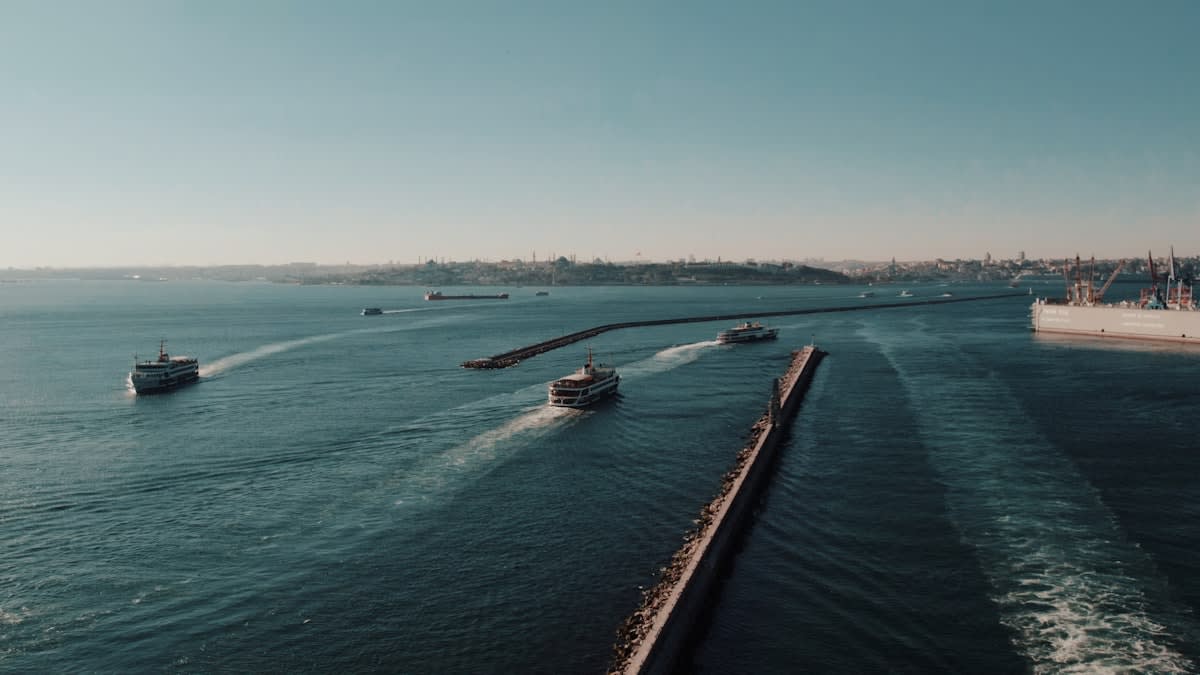
The 24-Mile Gamble
A mere 24-mile stretch of water currently dictates the caloric stability of millions. While the world watches high-profile territorial disputes, the real tension lies in the maritime chokepoints that move the world's NPK (Nitrogen, Phosphorus, and Potassium) fertilizers. This isn't a story of absolute scarcity, but one of precarious timing and cost. When shipping lanes tighten, the shockwaves travel from the Strait of Hormuz directly to the farm gates of the Global South, turning a logistics delay into a food security emergency.
Why does such a small geography hold so much power? The answer lies in the extreme concentration of nutrient production. In India, for instance, the reliance on imports is staggering. Russia dominates the NPK fertilizer import category with 18.27 LMT, while Saudi Arabia contributes another 3.40 LMT. When you aggregate the Gulf's contribution, it accounts for 14.96 percent of India's total NPK imports. This concentration creates a structural vulnerability where a single geopolitical tremor can spike prices across the entire fertilizer spectrum, from urea to di-ammonium phosphate (DAP).
The Timing Trap
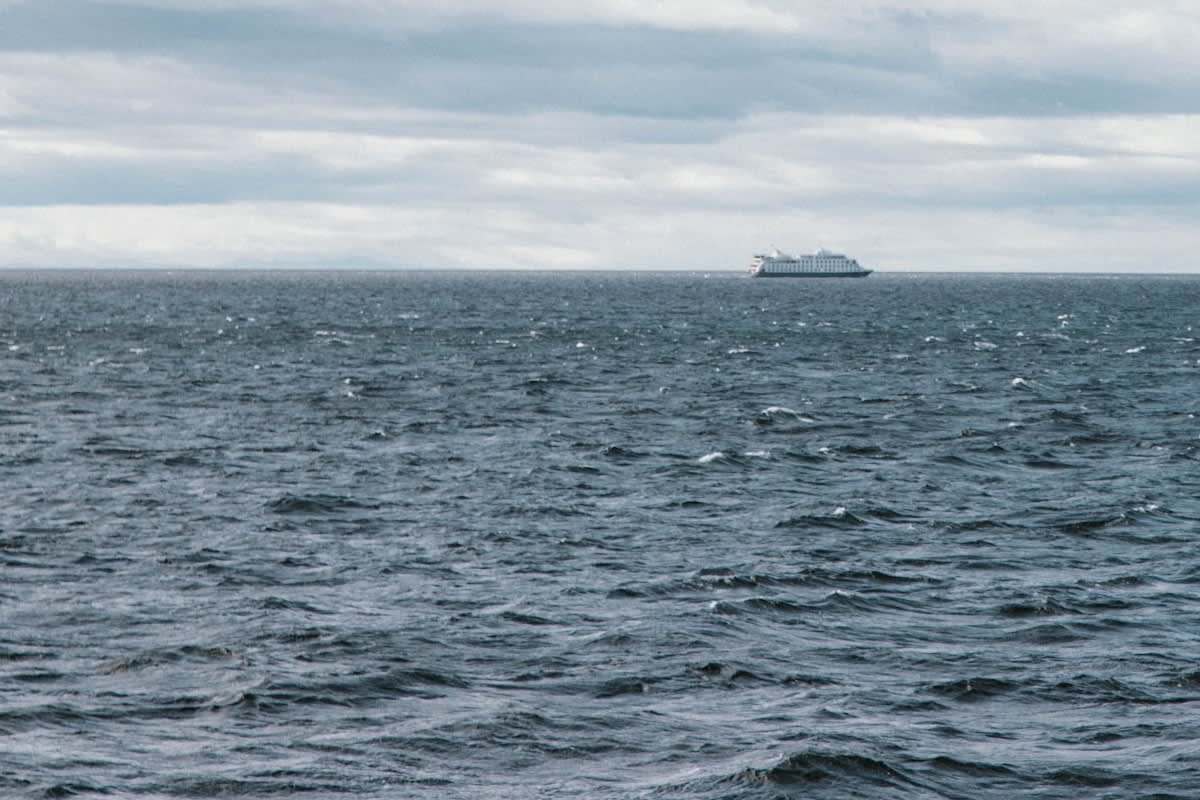
The risk is not a shortage-driven crisis, but a cost- and timing-driven shock to agricultural supply chains. A delay of two weeks during a key sowing season can wipe out a year's worth of yield gains.
The Synthetic Dependency
We have built a global food system on a foundation of synthetic chemistry. Current data suggests that without synthetic fertilizer, nearly 50% of global agricultural output would simply collapse. This dependency has created a dangerous feedback loop: as populations grow, the demand for synthetic nutrients rises, which in turn increases the geopolitical leverage of the few nations that control the raw minerals and the processing plants. We are no longer just trading commodities; we are trading the ability to feed the planet.
Sulphur adds another layer of complexity to this fragility. A significant portion of the world's sulphur is recovered from oil and gas processing in the Middle East. Because sulphur is a critical component of many fertilizers, any slowdown in regional energy processing or shipping disruptions immediately tightens the supply. For major consumers, this translates into higher nutrient costs and immense pressure on government fertilizer subsidies, often at the exact moment farmers are most vulnerable.
| Supplier Region | NPK Import Volume (LMT) | Strategic Role |
|---|---|---|
| Russia | 18.27 | Dominant Global Supplier |
| Saudi Arabia | 3.40 | Key Gulf Contributor |
| Total Gulf Contribution | 3.40 (14.96% of India's share) | Regional Logistics Hub |
Is this level of concentration sustainable? History suggests otherwise. When energy and fertilizer prices spike, food prices follow with a predictable and devastating lag. The volatility seen in recent months is a symptom of a system that prioritizes efficiency over resilience. By relying on a few massive exporters and a few narrow shipping lanes, the global community has traded long-term security for short-term cost reductions.
The Delta: From Minerals to Biology
Over the last twelve months, a distinct shift has emerged. We are moving away from the 'extraction era' and into the 'regeneration era.' While the previous decade focused on finding new mineral deposits, the current trend is toward biological autonomy. The goal is to release crop production from the volatile geopolitical disruptions associated with synthetic fertilizer production. This isn't just an environmental preference; it is a strategic imperative for national security.
"By-products of insect farming can provide a sustainable crop fertilizer and release crop production from the effects of volatile geopolitical disruptions of synthetic fertilizer production."— npj Sustainable Agriculture (Nature)
Enter the world of insect farming. It sounds like science fiction, but the use of insect farming by-products as a novel sustainable biofertilizer is gaining serious traction. These organic alternatives do more than just feed the plant; they restore the soil function that has been degraded by decades of agricultural intensification. By leveraging ecosystem services, nations can create localized nutrient loops that don't require a ship to pass through a contested strait.
This transition represents a fundamental change in the 'Delta' of food security. Twelve months ago, the conversation was about how to secure more imports or diversify suppliers. Today, the conversation is about how to eliminate the need for those imports entirely. The focus has shifted from 'Where can we buy it?' to 'How can we grow it?' This move toward ecological intensification is the only viable hedge against the weaponization of agriculture.
The Path to Resilience
Adapting to this new reality requires a multi-pronged approach. It starts with acknowledging that the synthetic-only model is a liability. Governments are beginning to realize that subsidizing expensive imports is a temporary fix for a permanent problem. The real opportunity lies in investing in the infrastructure for bio-fertilizers and organic soil amendments that can be produced within national borders.
- Reduction of reliance on the 14.96% Gulf NPK contribution through localized bio-alternatives.
- Integration of insect farming by-products to restore soil function and reduce synthetic demand.
- Mitigating the 'timing shock' by creating decentralized nutrient reserves.
- Decoupling food security from the volatility of Middle Eastern sulphur recovery.
Will the transition happen fast enough? The urgency is clear. As long as 50% of our output depends on a fragile chain of ships and mines, we are operating on borrowed time. However, the rise of sustainable bio-fertilizers offers a glimpse of a future where food security is a product of biology, not geology. The 'Phosphorus Pivot' is not just about changing a product; it is about changing the power dynamics of the global food system.
Ultimately, the race for rare soil minerals is being superseded by a race for biological intelligence. The nations that master the art of ecological intensification will be the ones that survive the next maritime shock. Resilience is no longer about building bigger silos; it is about building healthier soil.