Reeves says UK's future should be inside the EU
Source Entity
BBC News
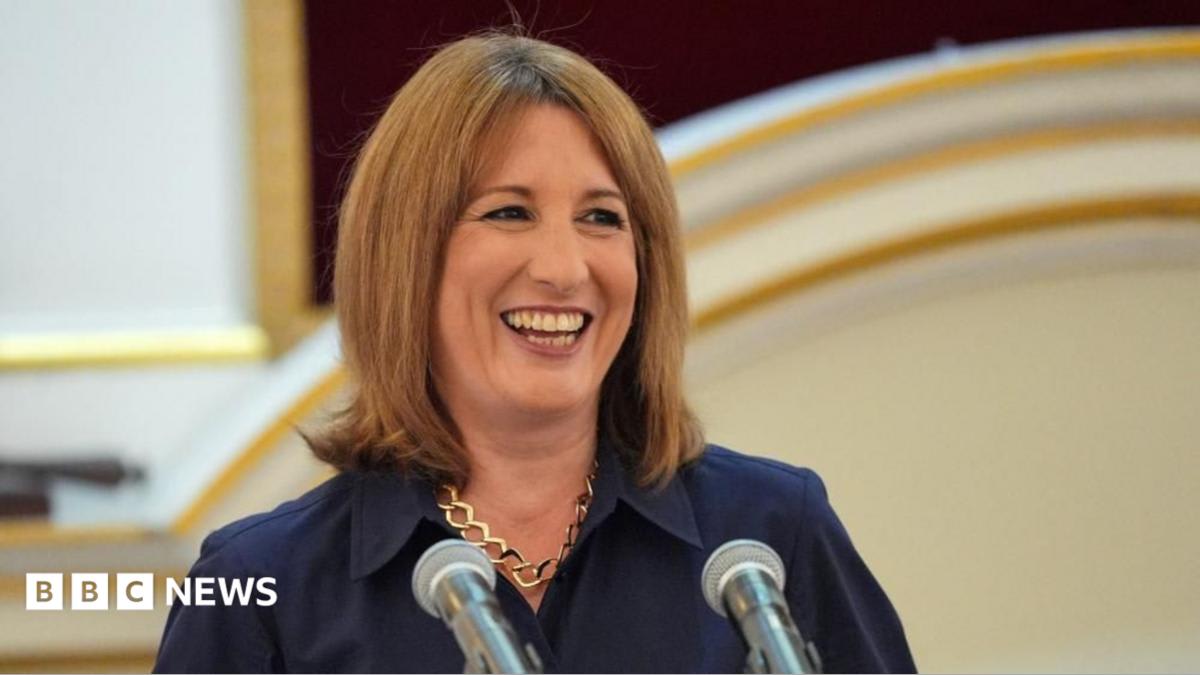
Former Chancellor Rachel Reeves has publicly argued that the UK's future lies within the EU, labeling Brexit a source of national decline. Her comments contrast with current government policy and have sparked significant debate among opposing political factions.
The Post-Treasury Shift: Rachel Reeves and the EU Debate
In a significant political development, former Chancellor Rachel Reeves has broken her silence following her departure from the Treasury to deliver a pointed critique of the United Kingdom's post-Brexit trajectory. Asserting that the nation has become "poorer, weaker and less secure" since its withdrawal from the European Union, Reeves has effectively reopened a debate that many political actors sought to close following the 2024 general election. Her intervention marks a pivotal moment in the ongoing narrative regarding Britain's geopolitical and economic identity.
The Tension Between Manifesto and Reality
The timing of these remarks is particularly striking given the explicit commitments made in the Labour Party's 2024 election manifesto. During the campaign, the party pledged to remain outside the EU, focusing instead on "making Brexit work" rather than pursuing a reversal of the 2016 referendum outcome. By explicitly ruling out a return to free movement, single market membership, or a customs union, Labour sought to reassure voters that the structural changes brought by Brexit were permanent. Reeves' current stance suggests a growing internal friction between these campaign-era constraints and a pragmatic assessment of the economic costs incurred.
Leadership Perspectives and Policy Nuance
Prime Minister Andy Burnham has signaled a willingness to engage in an "honest discussion" regarding the UK’s future relationship with Europe, suggesting a potential shift in the government's openness to closer ties. While this does not equate to a formal policy reversal, it represents an evolution from the rigid "Brexit is done" rhetoric. This nuanced approach allows the administration to address the economic anxieties raised by figures like Reeves without immediately alienating the portion of the electorate that remains committed to the original Brexit mandate.
The Opposition's Reaction and Political Polarization
The political landscape remains deeply divided, with the Conservative Party firmly opposing any attempts to rerun the Brexit debate. They argue that the issue was settled and that the focus should remain on domestic recovery rather than re-litigating the past. Simultaneously, Nigel Farage of Reform UK has asserted that there is no public mandate for pursuing closer ties with the EU. This opposition highlights the persistent volatility of the Brexit issue, which continues to act as a fault line in British politics.
Broader Implications and Future Trends
Looking ahead, the discourse initiated by Reeves suggests that the UK's relationship with the EU will remain a central theme of domestic policy for the foreseeable future. As the economic realities of the post-Brexit era continue to be assessed, pressure may mount on the government to seek closer regulatory alignment or deeper cooperation with Brussels, even if full re-accession remains off the table. The coming years will likely be defined by a delicate balancing act: managing the economic need for closer European integration against the political necessity of respecting the 2016 referendum result. The evolution of this debate will undoubtedly shape the next general election cycle and the long-term strategic direction of the United Kingdom.