Trump, Netanyahu speak as US weighs renewed military action against Iran
Source Entity
Latest News: Todays Latest News Headlines from India & World | Hindustan Times
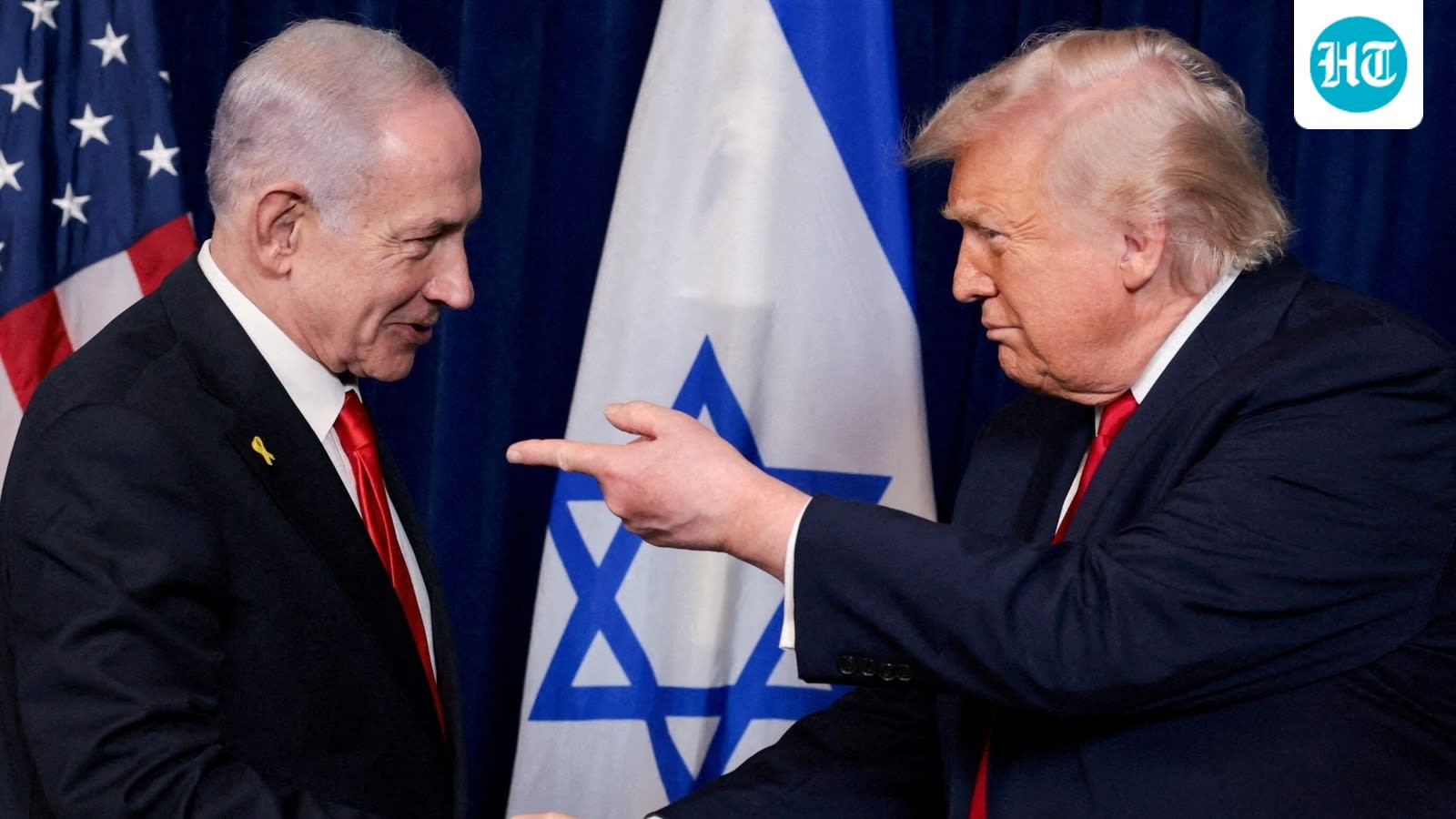
Secretary of State Marco Rubio confirmed that the U.S. remains in active diplomatic contact with Iran while President Trump reviews potential military options. No final decision on further strikes has been made as negotiations continue regarding Iran's nuclear program and regional influence.
Diplomatic Channels and Military Readiness: The Iran Strategy
Recent reports indicate that the United States is navigating a delicate dual-track policy regarding Iran. Secretary of State Marco Rubio has confirmed that diplomatic lines of communication remain open, noting that "talks have actually never stopped." This ongoing dialogue, facilitated through intermediaries such as Qatar, suggests that while the administration is prepared to exercise military power, it is not abandoning the path of diplomacy. The persistence of these channels underscores a strategic effort to balance pressure with potential negotiation.
The Strategic Calculus of the Trump Administration
President Donald Trump has reportedly reviewed a range of military options alongside senior defense officials. The Wall Street Journal has highlighted that these discussions are part of a broader internal assessment, though a final decision regarding further strikes has yet to be reached. This deliberative process reflects a cautious approach, where military force is viewed as a potential tool rather than an inevitable conclusion. The administration’s focus appears to be on ensuring that any future action, if taken, aligns with broader national security objectives.
Addressing the Core Pillars of Conflict
At the heart of these tensions are two primary concerns identified by Secretary Rubio: Iran’s nuclear program and its ongoing support for various armed groups across the Middle East. The U.S. stance is clear—any agreement or cessation of hostilities must address these systemic issues. By refusing to set a rigid deadline for negotiations, the administration is signaling that the quality of the outcome is more important than the speed of the process, provided that the underlying security threats are effectively mitigated.
The Role of International Coordination
Following his participation in the G20 foreign ministers’ meeting in Georgia, Rubio emphasized the complexity of the current diplomatic environment. The involvement of regional partners, such as Qatar, highlights the necessity of international cooperation in managing the Iran dossier. These diplomatic contacts serve as a pressure valve, preventing a total collapse of communication even as the specter of renewed military action looms. The administration's ability to coordinate these efforts will be pivotal in determining whether the current situation de-escalates or intensifies.
Future Outlook and Policy Implications
Looking ahead, the administration's policy will likely remain fluid, contingent on Iran's behavior and the success of back-channel communications. While the potential for military action remains a tangible aspect of the U.S. strategy, the emphasis on maintaining talks suggests a preference for a negotiated resolution that addresses long-term regional stability. The coming weeks will be critical as the administration weighs the efficacy of continued pressure against the risks of direct military engagement in a volatile geopolitical landscape.
Verification Required?