Delhi pollution curbs effective from Nov 1, bus fares may rise by 15-20%
Source Entity
Devansh Mittal
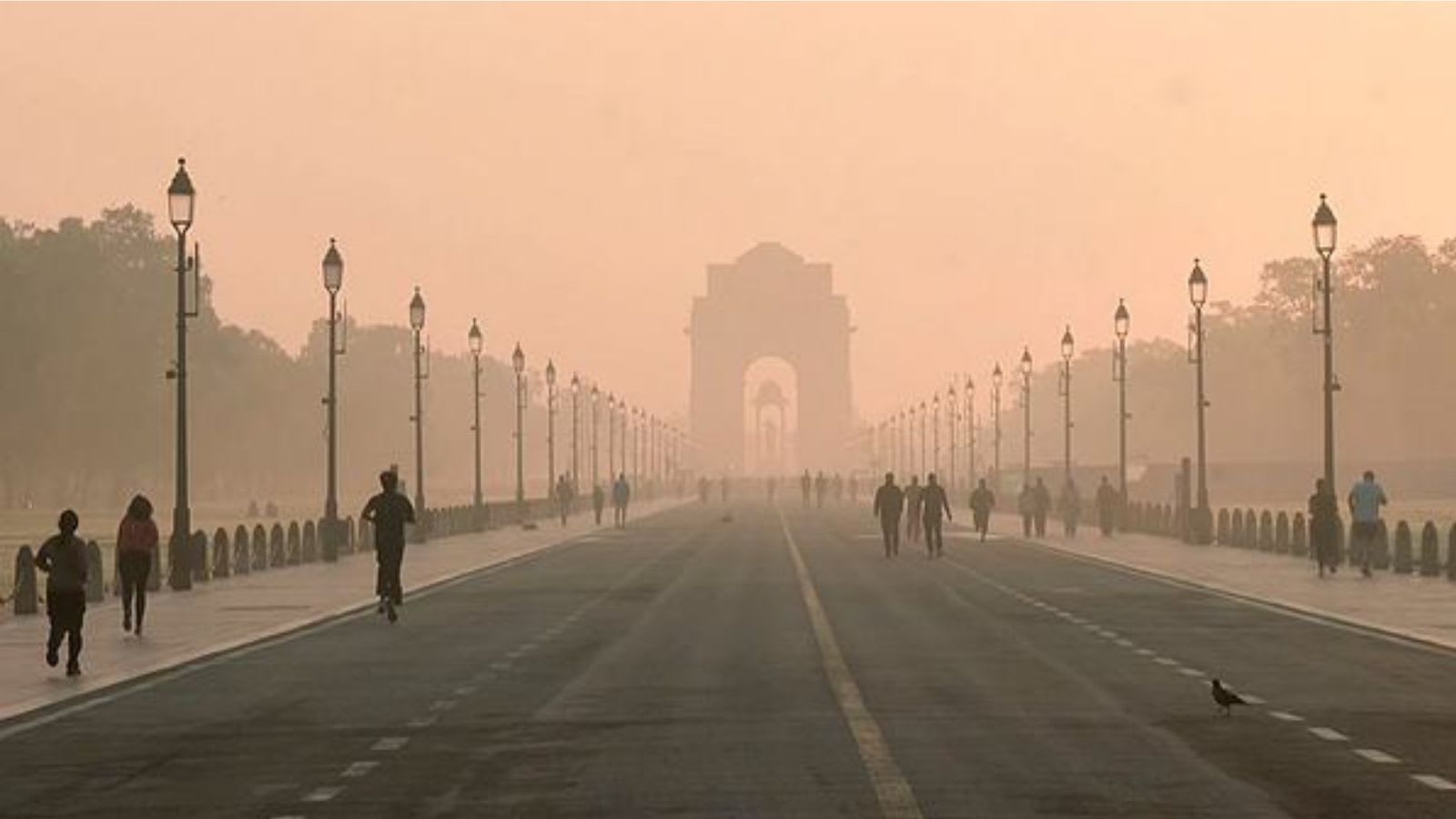
Delhi has implemented a three-month ban on non-BS-VI vehicles from neighboring NCR districts to combat winter air pollution. The policy impacts millions of vehicles and is expected to raise transportation costs and disrupt supply chains.
Delhi Implements Strict Winter Pollution Controls
Starting November 1, 2026, the National Capital Territory of Delhi has initiated a rigorous three-month ban on non-BS-VI petrol and diesel vehicles registered outside the capital. This measure, which remains in effect until January 31, 2027, is a cornerstone of the revised Graded Response Action Plan (GRAP) aimed at mitigating the hazardous air quality that typically plagues the region during the winter months. By targeting older, more polluting vehicles, authorities hope to significantly reduce nitrogen oxide and particulate emissions originating from the dense traffic corridors connecting Delhi to satellite cities.
The Scale of the Challenge
The logistical scope of this enforcement is immense. Data indicates that approximately 48 lakh non-BS-VI vehicles are registered in the NCR districts bordering Delhi, with a total of over 3.02 crore such vehicles registered across Uttar Pradesh, Haryana, and Rajasthan. Roughly 75% of these older vehicles are two-wheelers, which represent a significant portion of the daily cross-border traffic. In cities like Gurugram, Faridabad, Noida, and Ghaziabad, estimates suggest more than a million vehicles fail to meet the stringent BS-VI emission standards, creating a massive compliance hurdle for Delhi Traffic Police officers tasked with enforcement.
Economic and Supply Chain Implications
The economic ripple effects of these restrictions are becoming immediately apparent. Transporters and bus operators have warned that the ban could lead to a 15-20% increase in bus fares as supply chains adjust to the exclusion of non-compliant vehicles. Unlike previous years, even tourist-permitted buses are not exempt, causing significant distress for operators during the peak tourism season. Industry leaders like Gurmeet Singh of Highway Travels have noted that hundreds of buses will be unable to enter the capital, leading to substantial financial losses and potential disruptions to the movement of essential goods.
Technological Gap and Emission Standards
At the heart of the debate is the distinction between emission standards. While BS-VI vehicles are engineered to emit far lower levels of nitrogen oxide compared to their BS-IV or older counterparts, the current testing infrastructure at Pollution Under Control (PUC) centers often treats these vehicles with similar scrutiny despite the vast difference in their environmental impact. This policy shift forces a transition toward cleaner technology by effectively penalizing the continued use of older, high-emission fleets.
Future Trends and Policy Outlook
The move reflects a growing trend of aggressive urban climate action in India. As Delhi continues to battle 'poor' air quality, this ban serves as a litmus test for the effectiveness of regional coordination in the NCR. If successful in lowering pollution levels, this model may be replicated in other polluted metropolitan hubs. However, the long-term success of these restrictions depends on the ability of commuters and commercial operators to upgrade their fleets and the government's capacity to maintain consistent, non-disruptive enforcement across porous state borders.
Multiple Citing Sources