Trump Says US Still Has 'One Or Two' Targets In Iran, Mojtaba Khamenei Warns Of 'Quick' Reply
Source Entity
NDTV News Search Records Found 1000
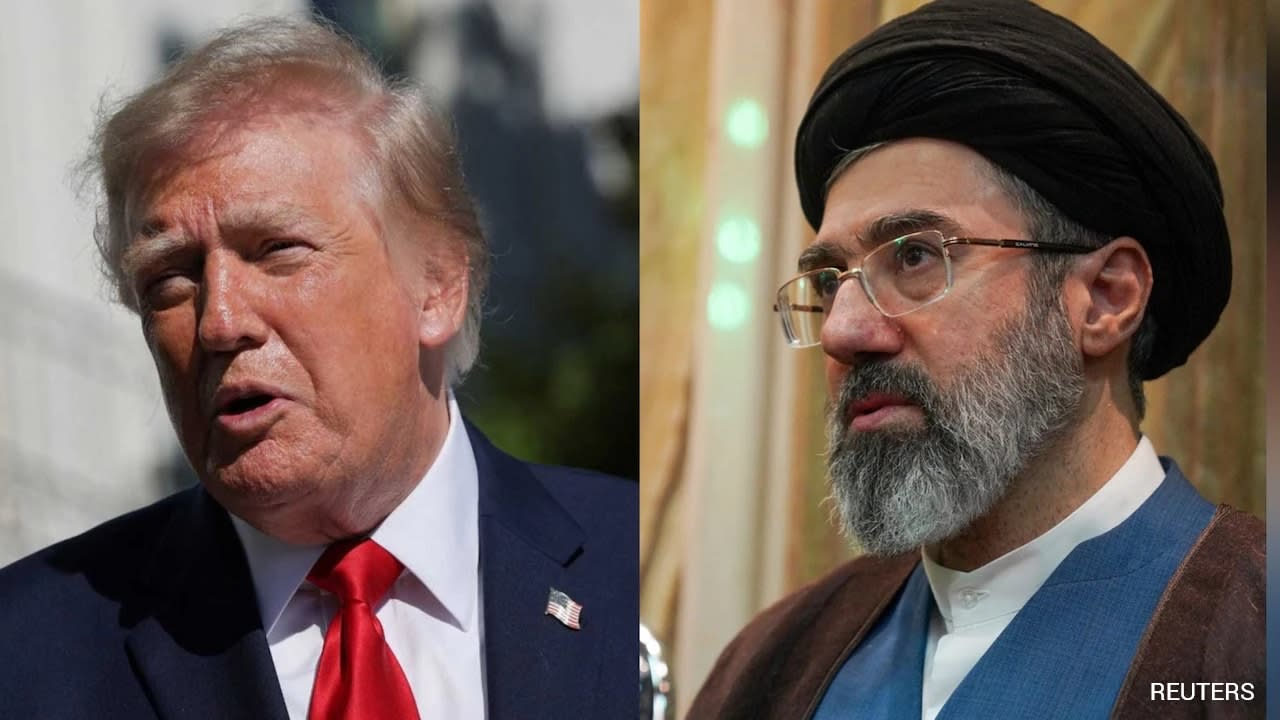
President Trump asserted that remaining Iranian nuclear sites could be struck within minutes while dismissing media inquiries about potential future military actions. Amidst this rhetoric, Iranian leadership has issued warnings of a swift and borderless response to any US aggression.
Tensions Escalate: Trump’s Rhetoric on Iran's Nuclear Infrastructure
During a recent appearance at a Halloween party at his Mar-a-Lago club, President Donald Trump addressed the media with a combative stance regarding the status of Iran's nuclear program. Trump explicitly claimed that the United States has already successfully "knocked out" Iran's nuclear capabilities, further asserting that any remaining sites could be neutralized within "ten minutes." This statement serves as a stark escalation in the ongoing geopolitical friction between Washington and Tehran, underscoring a policy of direct military readiness.
The Media Confrontation
When pressed by a reporter regarding the possibility of new US military strikes against Iran occurring as early as this week, the President reacted with open hostility. Dismissing the inquiry as a "stupid question," Trump challenged the journalistic premise of transparency, retorting, "Would I tell you?" This exchange highlights the administration’s preference for strategic ambiguity regarding military operations, contrasting sharply with traditional expectations of executive accountability to the press.
A History of Distrust
President Trump’s comments are rooted in a long-standing narrative of skepticism regarding diplomatic engagement with Iran. He publicly characterized the Iranian government as "not very reliable," citing a pattern where Iranian officials purportedly reach agreements only to later retract or violate them. This deep-seated distrust has effectively stalled previous international efforts at negotiation, leaving military posturing as the primary vehicle for US-Iran relations in the current climate.
The Iranian Response
The rhetoric from Washington has been met with significant defiance from Tehran. Mojtaba Khamenei, Iran's Supreme Leader, has issued stern warnings regarding the potential for a "quick" reply to any US military intervention. The Iranian position has explicitly moved beyond traditional defensive posturing, with warnings that any retaliatory actions would be carried out without "geographic limits," suggesting a readiness to expand the scope of conflict should the US proceed with further strikes.
Strategic Implications and Future Trends
This cycle of public threats and counter-threats signals a volatile period for international security. By claiming the ability to destroy remaining nuclear sites in a matter of minutes, the administration is signaling a shift toward rapid-response military doctrine. However, the lack of geographic boundaries mentioned by Iranian leadership introduces a high risk of escalation that could transcend regional skirmishes and impact global stability. As the diplomatic channel remains fractured, the prospect of further kinetic action appears increasingly tied to the unpredictable nature of these public exchanges.
Conclusion
In summary, the situation remains precarious as both nations engage in high-stakes brinkmanship. While President Trump maintains that the US holds a technological and military advantage capable of decisive action against Iran's nuclear infrastructure, the retaliatory warnings from Tehran suggest that any such action would be met with immediate and widespread consequences. The intersection of these aggressive policies leaves little room for de-escalation in the immediate future.
Verification Required?