6 Indian tourists go missing during trek to deepest lake of Nepal, Shey-Phoksundo
Source Entity
Latest News: Todays Latest News Headlines from India & World | Hindustan Times
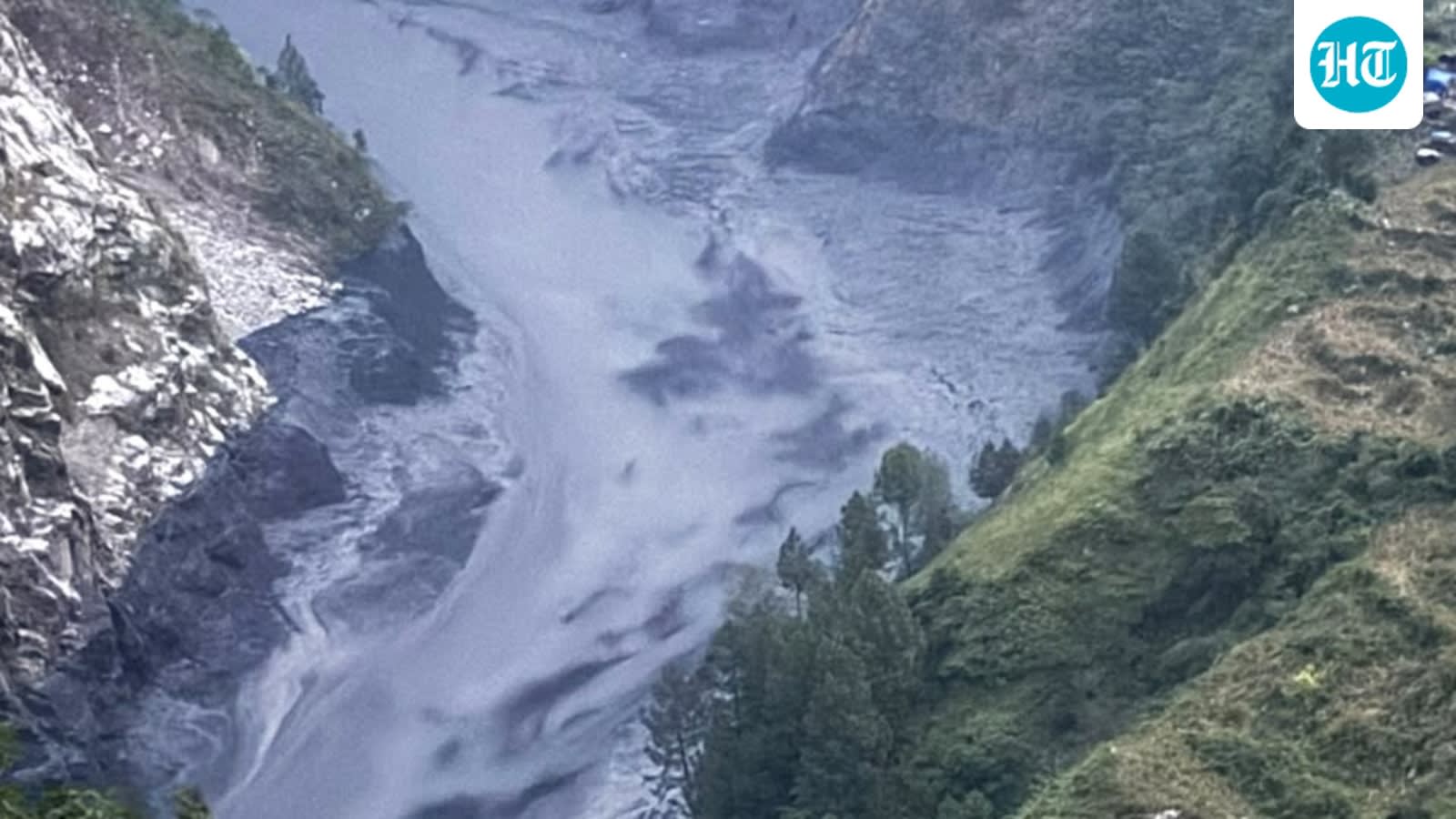
Six Indian tourists have gone missing near Nepal's Shey-Phoksundo Lake following heavy snowfall linked to Cyclone Arnab. Meanwhile, eight other trekkers are stranded near Kedartal in India due to similar severe weather conditions.
Himalayan Trekking Crisis: Weather Extremes Threaten Tourists
Recent reports confirm a harrowing situation in the Himalayan region, where two separate groups of trekkers have been reported missing or stranded due to extreme weather conditions. In Nepal, six Indian tourists—comprising two women and four men—have gone missing during their journey toward Shey-Phoksundo Lake, the country's deepest lake. Similarly, in India’s Uttarkashi district, eight trekkers remain stranded near Kedartal at an altitude of approximately 4,000 meters following a disruption in their return journey from Gangotri.
The Impact of Unpredictable Weather Patterns
The disappearance of the tourists in Nepal is reportedly linked to heavy snowfall in the Himalayan region, which local guides suggest may be influenced by the development of Cyclone Arnab in the Bay of Bengal. This highlights the increasing vulnerability of high-altitude trekking to atmospheric disturbances that originate far from the mountains. As cyclones in the Bay of Bengal can cause significant moisture surges, they often result in unseasonal or intensified snowfall in the Himalayas, turning popular trekking routes into hazardous environments.
Challenges in Search and Rescue Operations
Search and rescue operations are currently underway for both groups, though they face significant logistical hurdles. In the case of the Nepal incident, the trekkers were last reported in the Numla Pass and Bagla Pass areas between Ward Nos. 4 and 8 of the Shey-Phoksundo Rural Municipality. The rugged terrain, combined with ongoing snowfall, severely limits the reach of ground teams. Similarly, in the Kedartal region, despite the deployment of the SDRF (State Disaster Response Force), the NDRF (National Disaster Response Force), and aerial reconnaissance teams, the eight trekkers remain untraced after their return was blocked by avalanche conditions.
High-Altitude Risks and Safety Protocols
The incidents underscore the inherent dangers of trekking in remote Himalayan zones during shoulder seasons or periods of volatile weather. With over 240 tourists reported to be in the Upper Dolpa region of Nepal alone, the potential for mass displacement or entrapment due to weather events is significant. The fact that four support staff members from the Kedartal group managed to return safely while the others remained stranded illustrates how rapidly conditions can deteriorate, leaving even experienced trekkers vulnerable at high altitudes.
Broader Implications for Mountain Tourism
These events raise critical questions regarding the management of mountain tourism and the efficacy of early warning systems for trekkers. As climate change continues to increase the frequency of extreme weather events, the reliance on traditional trekking routes without enhanced real-time weather monitoring poses a growing risk to human life. Authorities and private trekking agencies face mounting pressure to improve communication protocols and emergency extraction capabilities to ensure that those venturing into these high-altitude environments can be reached before conditions become life-threatening.
Conclusion
The search for the 14 total individuals across the two regions remains a high-priority mission for authorities in both India and Nepal. While the search and rescue teams continue their efforts, these incidents serve as a stark reminder of the volatile nature of the Himalayan climate. Moving forward, a more integrated approach to monitoring meteorological shifts and stricter enforcement of safety protocols during adverse weather forecasts will be essential to mitigating these risks in the future.
Verification Required?