BS-IV out, BS-VI in: What Delhi's winter entry curbs mean, and how much cleaner newer vehicles are
Source Entity
Latest News: Todays Latest News Headlines from India & World | Hindustan Times
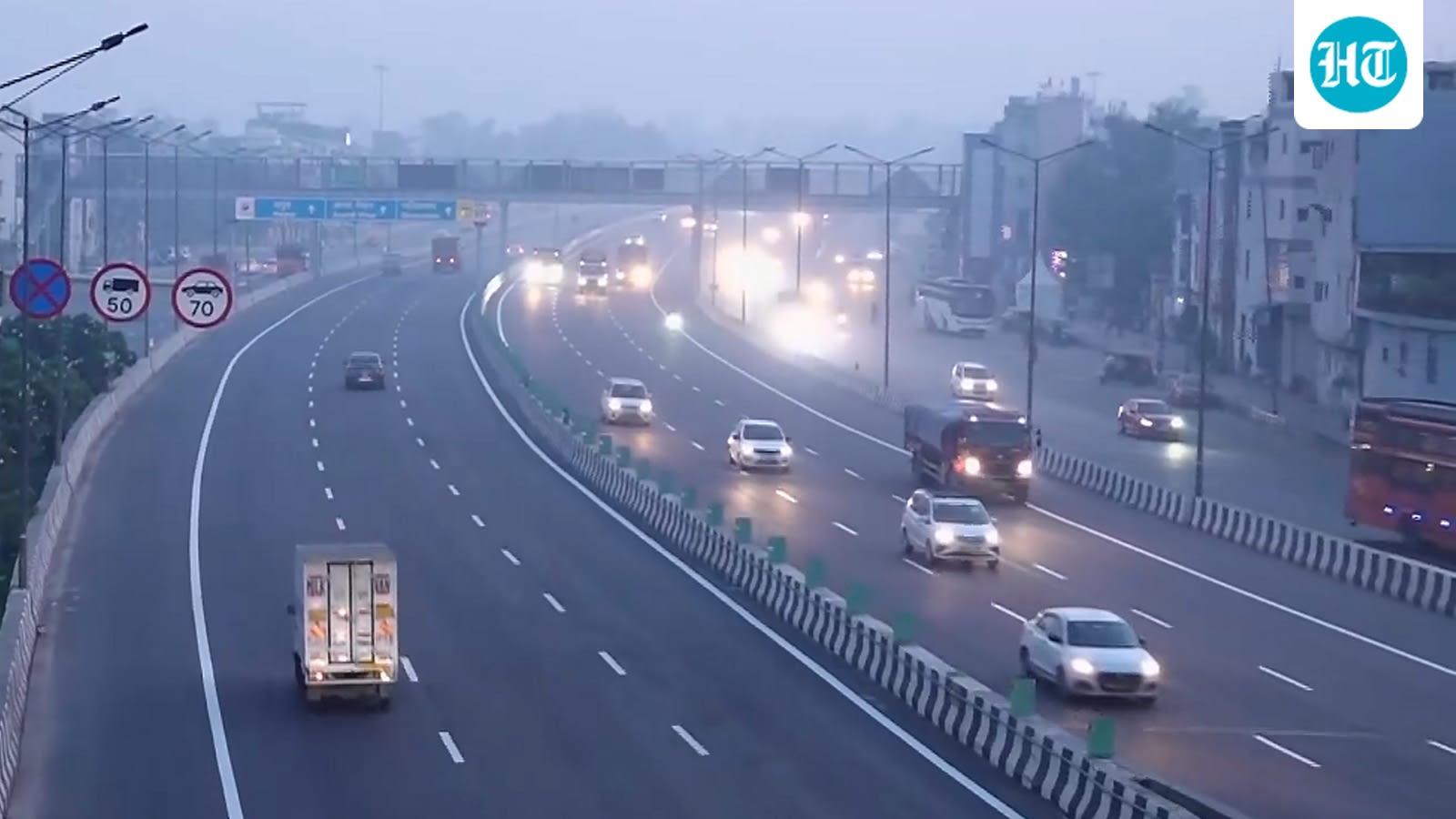
Delhi has implemented a three-month ban on non-BS-VI vehicles from neighboring NCR districts to combat worsening winter air pollution. The policy impacts nearly 48 lakh older vehicles, marking a significant step under the city's Graded Response Action Plan.
Delhi Implements Strict Vehicle Curbs to Combat Winter Smog
Starting November 1, the National Capital Territory of Delhi has initiated a restrictive policy aimed at curbing vehicular emissions, a primary contributor to the city's notorious winter air quality crisis. Under the revised Graded Response Action Plan (GRAP), all petrol and diesel vehicles registered outside of Delhi that do not meet the stringent Bharat Stage VI (BS-VI) emission standards are prohibited from entering the capital. This measure is set to remain in effect through January 31, 2027, serving as a critical intervention during the months when atmospheric conditions typically trap pollutants.
The Scale of the Challenge
The logistical burden of this mandate is immense. Data indicates that approximately 3.02 crore vehicles ranging from BS-I to BS-IV are registered across the neighboring states of Uttar Pradesh, Haryana, and Rajasthan. Within the National Capital Region (NCR) districts immediately adjacent to Delhi—including Gurugram, Faridabad, Noida, Greater Noida, and Ghaziabad—there are roughly 48 lakh non-BS-VI vehicles. These vehicles, the majority of which are two-wheelers, frequently traverse the capital’s borders for daily commutes, creating a massive influx of older, higher-polluting engines.
Impact on Regional Mobility
Transport department estimates highlight the concentration of these older vehicles in key satellite cities. Gurugram and Faridabad alone account for over 200,000 such vehicles, with a significant portion being commercial units that are vital for regional supply chains. Similarly, Noida and Greater Noida host over 400,000 vehicles falling below the BS-VI threshold. For the Delhi Traffic Police, enforcing this restriction presents a significant operational challenge, as they must manage high-volume arterial roads while ensuring compliance without paralyzing essential regional traffic.
Environmental Context and AQI Trends
This policy arrives amidst a backdrop of fluctuating air quality. While Delhi recently recorded its lowest average Air Quality Index (AQI) for October in eight years at 166, the situation remains precarious as winter sets in. The transition to BS-VI standards is scientifically significant; newer vehicles are engineered to emit drastically lower levels of nitrogen oxides compared to their predecessors. However, the current reliance on standard Pollution Under Control (PUC) testing for both older and newer vehicles underscores a systemic gap in how emissions are monitored across the fleet.
Future Implications and Policy Outlook
The implementation of these curbs represents a shift toward more aggressive, technology-based environmental governance. By targeting pre-BS-VI vehicles, authorities are effectively phasing out older technology through restricted access rather than outright bans on ownership. Looking ahead, the success of this three-month window will likely dictate future GRAP revisions. If the restrictions prove effective in mitigating the typical winter haze, it could set a precedent for permanent seasonal entry barriers, fundamentally altering how commuters from NCR districts interact with Delhi’s infrastructure in the coming years.
Multiple Citing Sources
Verification Required?