News In Frames: Velvety crimson is Kashmir’s treasure
Source Entity
India Latest News: Top National Headlines Today & Breaking News | The Hindu
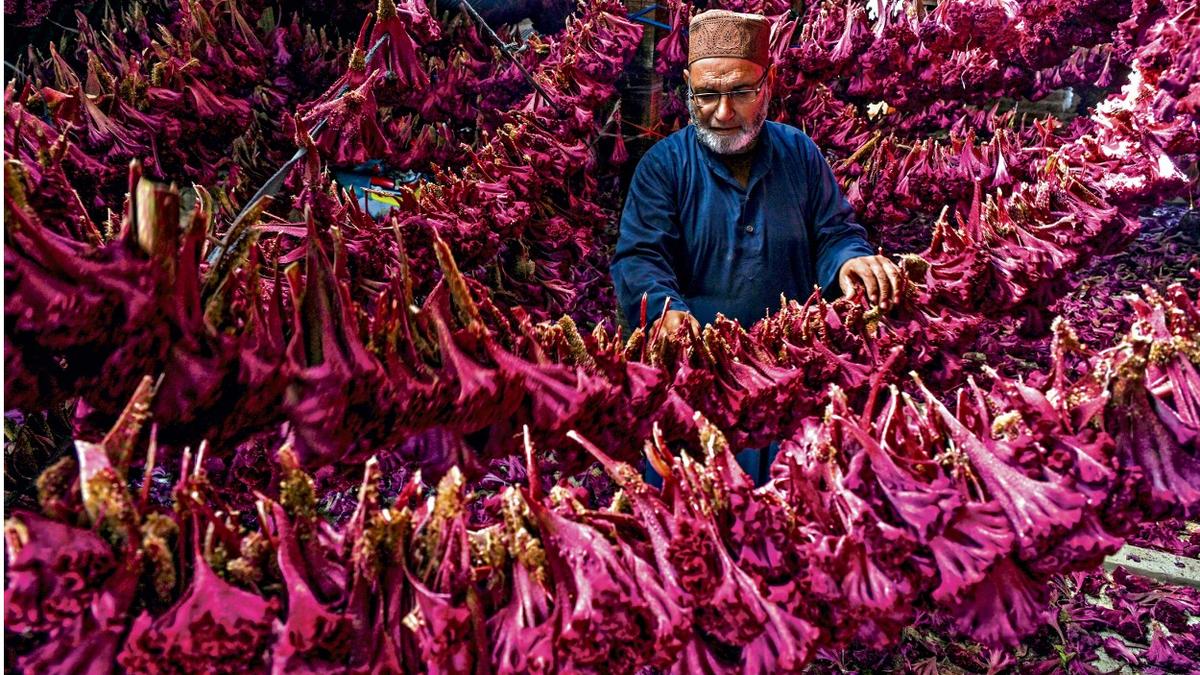
The cockscomb flower, locally known as mawal, is a vital ingredient in Kashmiri cuisine, prized for providing the signature ruby-red color to the traditional wazwan feast. These handpicked, sun-dried blossoms are essential to the region's culinary heritage and flavor profile.
The Crimson Essence of Kashmiri Heritage
In the heart of the Kashmir Valley, culinary traditions are deeply intertwined with the region's unique botanical landscape. Central to this heritage is the cockscomb flower, scientifically known as Celosia cristata. Recognizable by its striking, velvety, fan-shaped crest that mimics a rooster’s comb, this plant serves as far more than mere decoration; it is a fundamental element of the Kashmiri kitchen, prized for the intense crimson pigment concentrated within its dense, textured folds.
The Art of Mawal: From Field to Feast
The transformation of the cockscomb flower into a culinary staple is a meticulous process that reflects the patience of Kashmiri agricultural practices. Cultivated in the fertile valley soils, the blossoms are handpicked at their peak bloom to ensure the highest concentration of pigment. Once harvested, the flowers undergo a traditional sun-drying process. This preservation method, which transforms the fresh flower into the locally termed 'mawal,' allows the ingredient to be stored and utilized throughout the year, ensuring that the signature ruby-red hue is never absent from local tables, even during the harsh winter months.
Wazwan and the Role of Mawal
The true significance of mawal is best understood through its role in wazwan, the legendary multi-course royal feast of Kashmir. Prepared by master chefs known as wazas, the wazwan is a testament to the sophistication of regional cooking. Mawal is not merely a coloring agent; it is an indispensable component that defines the visual and sensory experience of these dishes. By providing a deep, natural red tone, it gives the feast its iconic appearance while contributing a subtle, earthy undertone that anchors the complex flavor profiles of the heavy spices used in the preparation.
Culinary Chemistry and Balance
One of the most remarkable aspects of mawal is its ability to harmonize with the intense spice blends that characterize Kashmiri cuisine. Unlike synthetic dyes or overpowering spices, the cockscomb flower acts as a balancing agent. Its earthy notes seamlessly integrate with the rich, aromatic gravies, ensuring that the dish remains cohesive. This delicate balance is a hallmark of the wazas' expertise, demonstrating an intuitive understanding of how natural ingredients can elevate a meal without compromising its structural integrity.
Cultural Preservation and Future Trends
As global interest in traditional and sustainable foodways continues to grow, the reliance on indigenous ingredients like mawal positions Kashmir as a significant point of interest for culinary anthropologists and food enthusiasts alike. The preservation of the mawal harvesting and drying tradition is essential not only for the survival of authentic wazwan but also for the maintenance of the valley’s agricultural identity. Looking ahead, the formalization of these traditional supply chains could provide economic stability for local farmers, ensuring that this 'velvety treasure' continues to define the Kashmiri culinary identity for generations to come.
Verification Required?