Peaceful protests in Germany spiral into violence and looting
Source Entity
BBC News
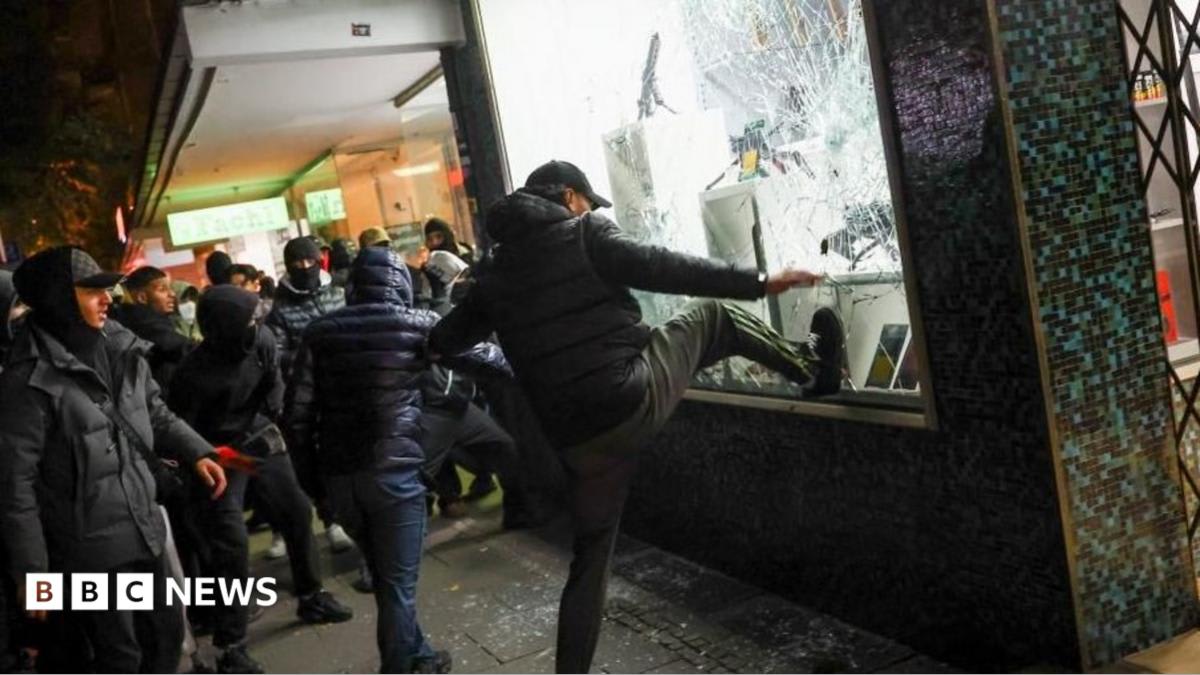
Violent clashes erupted in major German cities including Frankfurt and Berlin following protests over the rising cost of living. Organized by 'Gen Z regelt', the demonstrations saw over 100 police injuries and dozens of arrests as civil unrest spreads across Europe.
Escalating Civil Unrest: Germany's 'Gen Z' Protests Turn Violent
Recent demonstrations across Germany, organized by the activist group 'Gen Z regelt' (Gen Z takes charge), have shifted from orderly public expressions of dissent into scenes of widespread violence and looting. While the initial intent of these rallies was to highlight systemic grievances, the situation in major urban centers—specifically Frankfurt, Berlin, Cologne, and Hamburg—deteriorated rapidly as night fell on Saturday. This transition from peaceful assembly to civil disorder marks a significant escalation in the ongoing domestic tensions currently gripping the nation.
The Socio-Economic Catalyst
At the heart of these protests lies a growing frustration with the escalating cost of living, which has become a primary driver of civil instability across the European continent. Participants, largely representing the younger demographic, are voicing acute concerns over the erosion of purchasing power, the scarcity of affordable housing, and the perceived decline in the quality of public services. These issues are not isolated to Germany; they reflect a broader European trend where inflationary pressures and economic stagnation are testing the social contract between citizens and their governments.
The Scale of the Conflict
The authorities have reported significant disruption, with Frankfurt—the financial heart of the nation—suffering the most visible damage as rioters targeted shops for looting. The toll on law enforcement has been substantial, with over 100 police officers injured during the clashes. Furthermore, the arrest of at least 54 individuals in Frankfurt alone underscores the intensity of the confrontation. These figures provide a stark metric for the severity of the unrest, signaling that the protest movement has moved beyond traditional civil disobedience into more volatile, confrontational territory.
Institutional and Security Implications
The involvement of 'Gen Z regelt' highlights a generational shift in political activism, where younger citizens are increasingly willing to engage in high-stakes public demonstrations to demand structural economic reform. For the German government, this creates a complex security challenge: balancing the constitutional right to protest with the necessity of maintaining public order. The widespread nature of the violence across multiple major cities suggests a level of organizational reach that may complicate future law enforcement efforts to manage these public gatherings.
Future Trends and Regional Context
As these events unfold, they mirror a recurring pattern seen throughout recent European history, where economic hardship serves as a catalyst for political radicalization and street-level violence. If the government fails to address the underlying concerns regarding the cost of living and housing affordability, it is highly probable that similar outbursts will continue to occur. The intersection of economic anxiety and youth-led activism presents a precarious environment that requires nuanced policy interventions rather than strictly punitive measures. The coming weeks will be critical in determining whether these demonstrations remain a localized spike in unrest or evolve into a prolonged period of national instability.