
The grocery aisles of Walmart, Target, and Kroger are currently hosting a silent revolution. It doesn't look like a revolution. It looks like a carton of lactose-free chocolate frozen dessert or a tub of cream cheese. But look closer at the ingredient lists. Companies like Breyers and Nestlé are no longer relying solely on the pasture. They are utilizing precision fermentation to produce whey proteins that are molecularly identical to those from a cow, without the cow ever being involved. This shift marks a critical transition from the first wave of dairy alternatives—which relied on plants like soy or almonds—to a second wave of bio-identical proteins.
Why is this happening now? The delta between last year and today is the move from pilot programs to commercial scale. We are seeing a surge of adoption by conglomerates with combined revenues exceeding $115 billion. Mars is integrating these proteins into CO2COA chocolate, General Mills is utilizing them for Bold Cultr cheese, and the Bel Group is deploying them in Nurishh cream cheese. These aren't niche health-food experiments. These are calculated moves by the world's largest food processors to secure a more resilient, predictable supply chain that bypasses the volatility of traditional livestock farming.
The Engine of Change: Synthetic Biology and AI
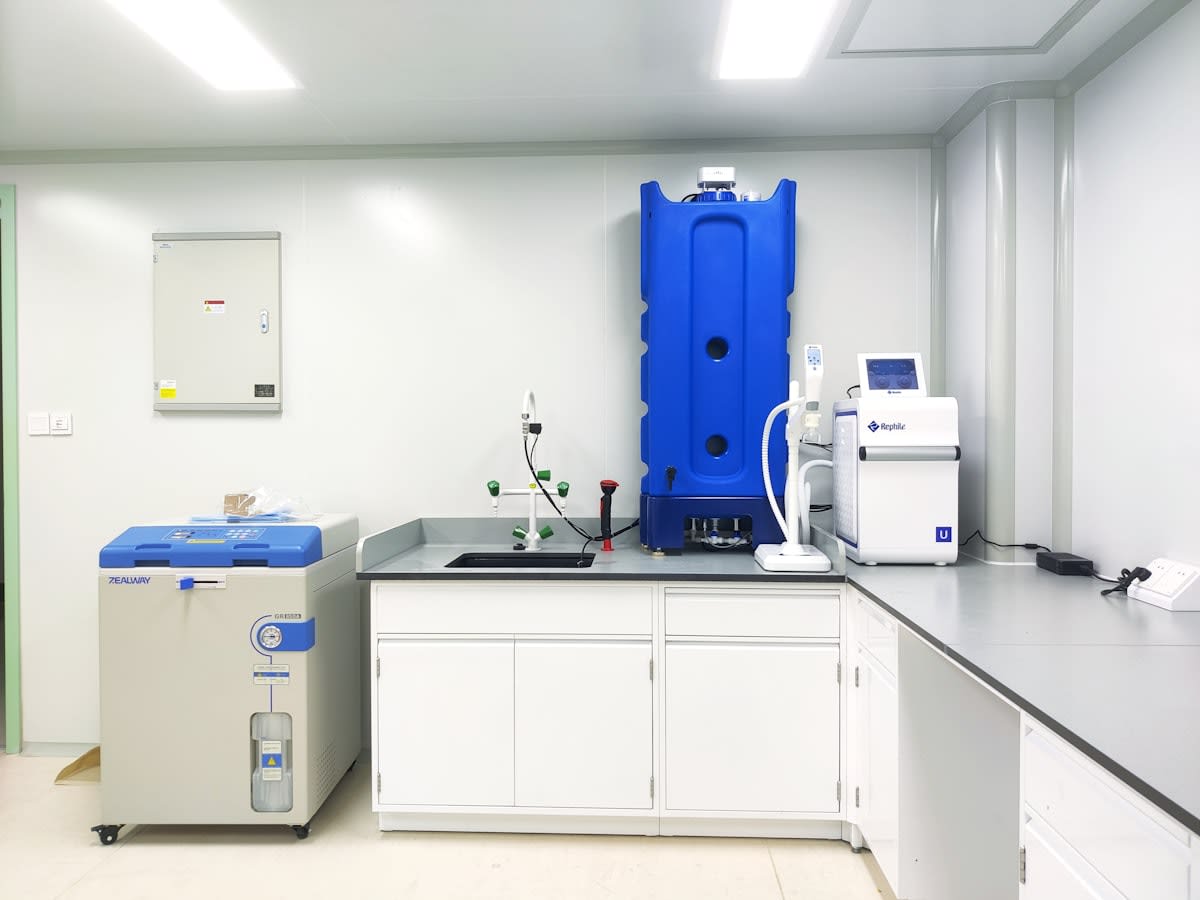
At the heart of this transition is synthetic biology, a field now forecasted to reach a market size of US$ 84.7 billion. This isn't just about mixing chemicals in a tube. Scientists are programming microorganisms—specifically yeast and fungi—to act as cellular factories. By inserting specific DNA sequences, these microbes are instructed to produce bio-identical milk proteins like whey and casein. The result is a protein that behaves exactly like dairy in a recipe, providing the same stretch, melt, and mouthfeel that plant-based proteins have historically struggled to replicate.
The acceleration of this technology is being driven by the integration of artificial intelligence and machine learning. AI is now used to optimize metabolic pathways and accelerate DNA design, meaning the time it takes to move from a protein concept to a scalable biological system has plummeted. We are seeing a shift where biological performance is no longer left to chance but is engineered for maximum efficiency. This computational approach allows manufacturers to fine-tune the proteins for specific applications, whether it is a high-protein powder or a creamy dessert.
The 'Bio-Identical' Distinction
Bio-identical does not mean 'similar.' It means the molecular structure is exactly the same as the animal-derived version, but produced via fermentation. This eliminates hormones, antibiotics, and lactose while maintaining the functional properties of dairy.
This technological leap is creating a new competitive landscape. It is no longer a simple binary between dairy and non-dairy. Instead, we are seeing a three-way battle for the global protein market. On one side is traditional whey; on the other are pulse proteins like pea; and in the center is precision fermentation. The industry's competitive edge is shifting toward manufacturers who maintain diversified protein portfolios. Those who can blend these sources to solve specific formulation challenges will dominate the next decade of food production.
Efficiency Beyond the Pasture
The drive toward animal-free dairy is not solely about novelty; it is about resource efficiency. While specific dairy protein data varies, the broader application of precision fermentation reveals a staggering reduction in environmental footprints. For instance, Cargill's EverSweet stevia, produced via similar fermentation technology, demonstrates the potential of this method: a 96% lower land-use impact, 97% less water use, and 81% fewer greenhouse gas emissions compared to traditional methods. When applied to dairy proteins, these efficiencies offer a pathway to decouple protein production from land degradation.
| Metric | Traditional Dairy | Precision Fermentation (Proxy Data) |
|---|---|---|
| Land Use | High (Pasture/Feed) | Up to 96% Lower |
| Water Consumption | High (Livestock/Crops) | Up to 97% Lower |
| GHG Emissions | Significant (Methane) | Up to 81% Lower |
| Production Time | Months/Years (Growth) | Days/Weeks (Fermentation) |
This efficiency is why we see the technology penetrating mainstream retail channels so aggressively. It allows brands to claim sustainability wins without asking the consumer to sacrifice taste. Nestlé's Cowabunga animal-free dairy beverages and Orgain's Better Whey protein powder are prime examples of this strategy. They are positioning these products not as 'vegan alternatives' but as superior versions of the products consumers already love. The goal is seamless substitution.
However, this transition is not happening in a vacuum. The broader ingredient market is also shifting. For example, the global rice flour market is projected to grow from USD 814.22 million in 2024 to USD 1014.35 million by 2029, with a CAGR of 4.50%. This indicates a general trend toward diversified, functional, and often allergen-free bases that complement the rise of fermentation-based proteins. The modern food supply chain is becoming a mosaic of bio-engineered and plant-derived components.
The Quiet Integration Strategy
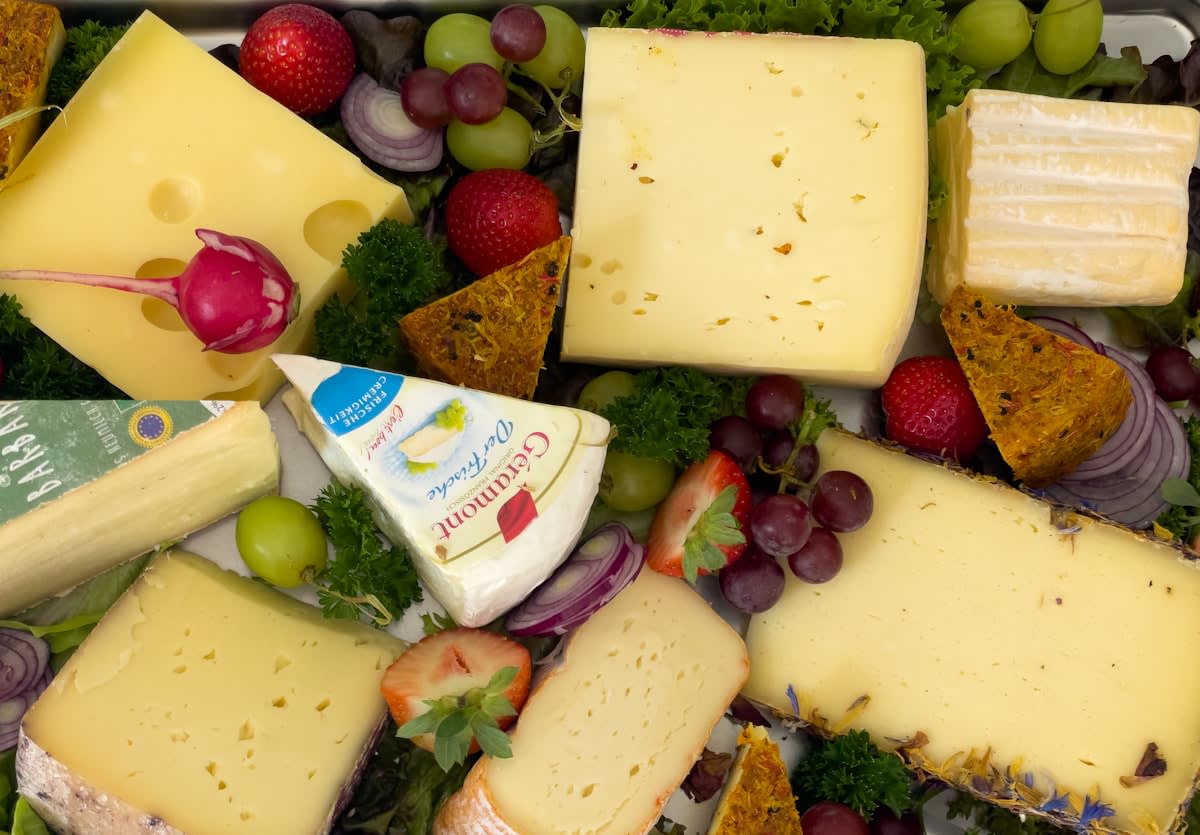
One of the most striking aspects of this trend is the lack of fanfare. Unlike the loud launch of plant-based burgers a few years ago, animal-free dairy is entering the supply chain quietly. Why the secrecy? Because the value proposition is different. These companies aren't trying to start a cultural movement; they are optimizing a commodity. By integrating Perfect Day's precision-fermented whey into existing product lines, brands can improve their ESG metrics and reduce supply chain risks without alienating traditional dairy consumers.
This strategic subtlety allows the technology to scale behind the scenes. By the time the general public fully recognizes the shift, the infrastructure—the bioreactors, the AI-optimized strains, and the distribution networks—will already be entrenched. The transition is moving from 'experimental' to 'operational.' We are witnessing the industrialization of biology, where the farm is replaced by the fermentation tank.
Synthetic Biology Market Trajectory
Executive Insight
+18.4%
YTD Growth
As we look forward, the question is no longer whether animal-free dairy can compete, but how quickly it will become the default. With the backing of the world's largest food companies and the precision of AI-driven synthetic biology, the pasture is no longer the only place where dairy begins. The supply chain is diversifying, and the molecular blueprint of our food is being rewritten in real-time.