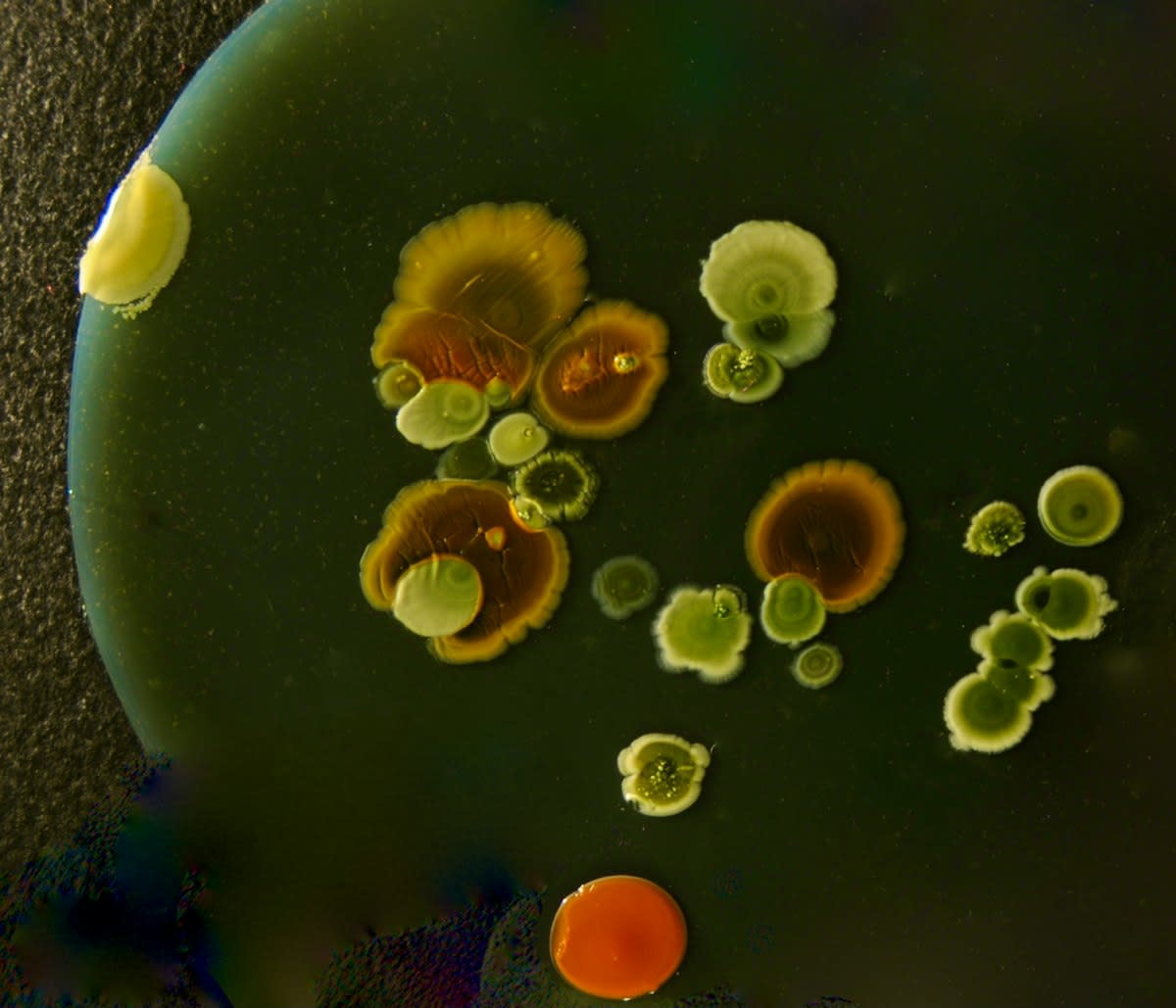
The prevailing discourse around alternative proteins treats precision fermentation as a niche supplement to the vegan market. This is a fundamental misunderstanding of the technology's trajectory. We are not witnessing the creation of a new product category, but rather the industrialization of molecular biology. By utilizing genetically engineered microbes to secrete specific proteins, we are effectively treating yeast and fungi as biological software. This allows for the production of identical animal proteins—whey, casein, ovalbumin—without the biological inefficiency of maintaining a sentient organism.
Why does this matter for the global map? For millennia, protein production has been a function of geography: the availability of arable land, water, and grazing rights. Brazil and the United States dominate the protein landscape because they possess the land to grow the feed and the space to house the livestock. Precision fermentation renders this geographic advantage irrelevant. A bioreactor in a Singaporean industrial park or a Danish warehouse requires none of the land required for a cattle ranch, yet it can produce the same functional proteins at a fraction of the environmental cost.
Consider the metabolic waste of a cow. A significant portion of the calories consumed by livestock is diverted toward bone growth, thermoregulation, and organ maintenance—biological overhead that provides zero value to the end consumer. Precision fermentation strips away this overhead. When a microbe is programmed to produce beta-lactoglobulin, every single unit of feedstock is optimized for that specific output. This is not just an efficiency gain; it is a total decoupling of protein from the animal. The cow is no longer the factory; it is merely a biological blueprint that we have successfully digitized.
Does this mean the end of the rural economy in land-dependent regions? Likely. The strategic center of gravity is moving toward energy-dense urban hubs. Protein production is becoming a function of electricity and glucose. If a nation can secure cheap renewable energy and a sustainable carbon source—such as agricultural waste or captured CO2—it can achieve total protein sovereignty regardless of its soil quality. This transforms food security from a diplomatic struggle over imports into a domestic engineering challenge.
This transition is best understood through the lens of resource allocation and production velocity.
| Metric | Traditional Bovine Dairy | Precision Fermentation |
|---|---|---|
| Land Requirement | Extensive (Pasture + Feed crops) | Minimal (Industrial Footprint) |
| Water Intensity | High (Thousands of liters/kg) | Low (Closed-loop recycling) |
| Production Cycle | 2-3 Years (Calf to Production) | Days (Fermentation Batch) |
| Protein Purity | Variable (Mixed with fats/hormones) | Absolute (Single-molecule focus) |
| GHG Profile | Methane-heavy (Enteric) | Energy-dependent (CO2) |
The data reveals a stark reality: the biological lag of traditional farming is an existential liability. A dairy farmer must wait years for a heifer to reach maturity before a single drop of milk is produced. In contrast, a fermentation batch can be scaled in days. This velocity allows for a just-in-time supply chain that responds to market demand in real-time. When protein becomes a programmable commodity, the volatility of agricultural cycles—droughts, zoonotic diseases, and crop failures—is replaced by the stability of industrial manufacturing.
"The goal is not to mimic meat, but to render the animal an unnecessary middleman in the production of calories and amino acids."— Industry Strategic Analysis
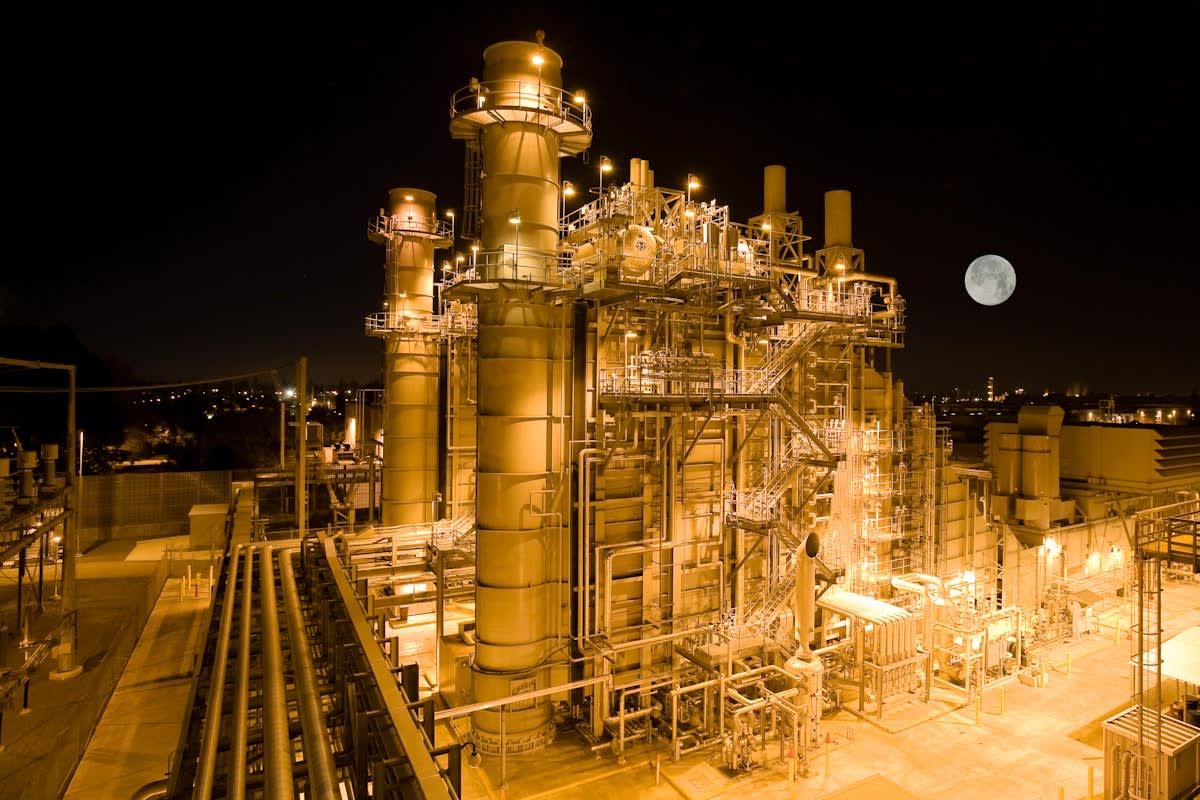
However, the path to dominance is blocked by a massive CAPEX hurdle. Building the bioreactor capacity required to replace even 10% of global dairy production requires billions in investment. We are currently in the 'pilot plant' phase, where companies are struggling to move from 1,000-liter tanks to 100,000-liter installations. The physics of oxygen transfer and heat dissipation in massive tanks create a ceiling that cannot be solved by software alone. This is the primary reason we haven't seen a total market collapse of traditional dairy yet.
Singapore has positioned itself as the global sandbox for this transition. By creating a regulatory environment that prioritizes safety data over traditional definitions of food, they have attracted the world's most aggressive biotech firms. While the European Union remains bogged down in precautionary principle debates and labeling wars, Singapore is actively integrating these proteins into its national food security strategy. They recognize that for a city-state with no land, the bioreactor is the only viable path to autonomy.
Beyond the hardware, the battle for the protein map will be fought over the feedstock.
Most current fermentation processes rely on glucose derived from corn or sugarcane. This creates a new dependency: if we simply replace cattle with corn-fed microbes, we have not solved the land-use problem; we have merely shifted it. The next frontier is 'gas fermentation,' where microbes are engineered to eat CO2, methane, or hydrogen. When we can synthesize protein from thin air and electricity, the global protein map ceases to be a map of soil and becomes a map of energy grids.
This shift will likely trigger a geopolitical realignment. Nations like Israel, which lead in the genetic engineering of microbes, will export 'protein recipes' rather than physical goods. We will see a transition from the export of bulk commodities (soy, corn, beef) to the export of intellectual property. The value will migrate from the owner of the land to the owner of the strain. The 'seed' of the 21st century will not be a kernel of corn, but a sequence of DNA in a digital database.
Critics argue that consumers will never accept 'lab-grown' proteins. This is a naive projection of current sentiment onto future economics. History shows that consumers prioritize price and taste over provenance once parity is reached. When a precision-fermented cheese is indistinguishable from Brie but costs 30% less and is available in every grocery store, the ethical and 'natural' arguments will evaporate. The market does not reward purity of origin; it rewards the optimization of the cost-to-taste ratio.
The Land Dividend
The transition to precision fermentation could potentially reduce land use for protein production by up to 90%, freeing billions of hectares for reforestation or carbon sequestration.
The final phase of this redraw will be the de-commoditization of the animal. We will see a bifurcation of the market: a high-end, luxury market for 'heritage' animal proteins produced on regenerative pastures, and a mass-market industrial layer powered by fermentation. The middle ground—the industrial CAFO (Concentrated Animal Feeding Operation)—cannot compete with the efficiency of a bioreactor. It is a legacy system that is fundamentally incompatible with the precision of the molecular age.
As we look toward 2030, the key indicator of success will not be the number of startups, but the volume of stainless steel installed. The winners will be those who can solve the scaling laws of fluid dynamics and heat transfer. Protein is no longer a biological mystery; it is a manufacturing specification. The map is being redrawn, and the borders are no longer defined by fences, but by the capacity of the cooling system.