The Great Decoupling
For ten thousand years, the production of dairy protein required a biological middleman: the cow. To get the whey or casein necessary for cheese and yogurt, humanity had to manage an entire animal life cycle, involving land, water, and methane-heavy digestion. That fundamental link is now breaking. We are witnessing the rise of the invisible dairy, where the protein is identical to the animal version but the animal itself is entirely absent from the equation. This is not a plant-based substitute; it is a molecular replica.
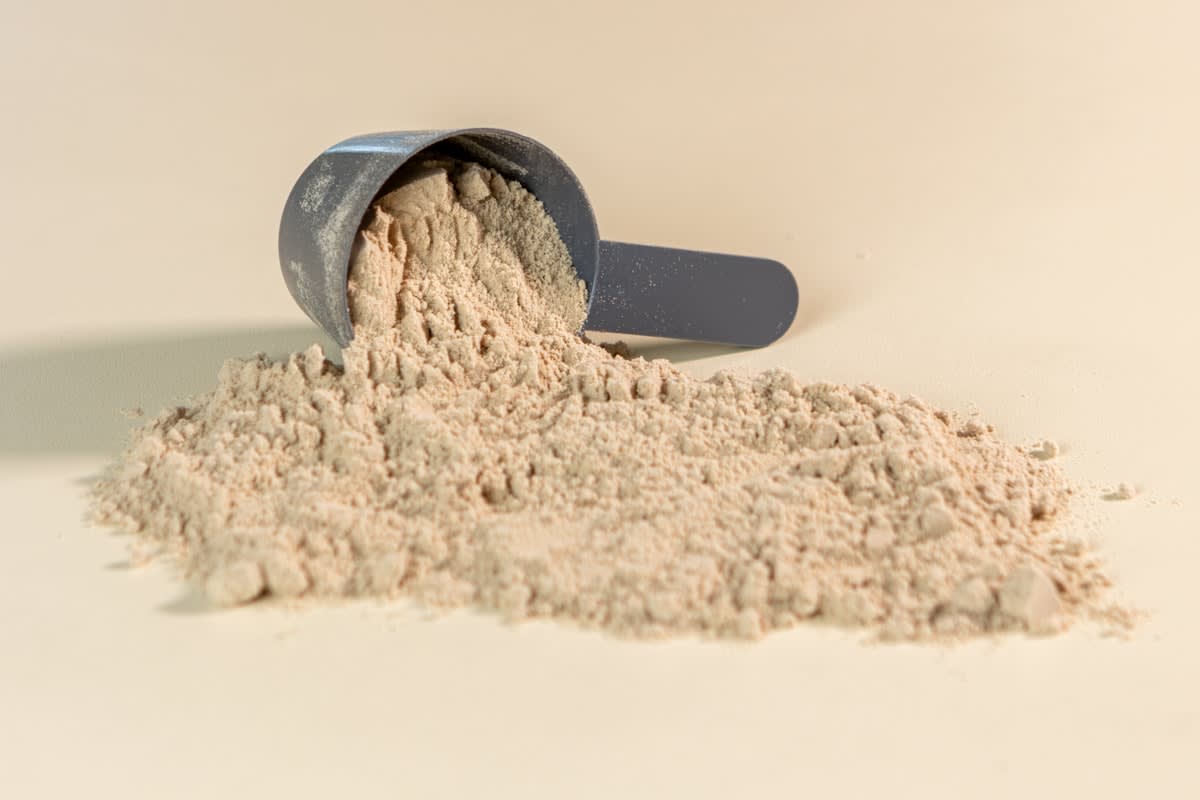
Precision fermentation leverages the existing machinery of nature—specifically microbes like yeast or fungi—and reprograms them to act as cellular factories. By inserting the genetic sequence for bovine proteins into these microorganisms, scientists can brew milk proteins in stainless steel tanks. The result is a powder that is chemically indistinguishable from traditional dairy. Why does this matter? Because it transforms food production from an extractive agricultural process into a scalable industrial one.
The Technical Distinction
Precision fermentation differs from traditional fermentation (like beer or bread) because it uses the microbe to produce a specific, non-native target molecule—in this case, beta-lactoglobulin or casein—rather than just altering the medium it grows in.
The shift is subtle but profound. While the first wave of alternative dairies focused on plant-based mimics—almond, soy, and oat—they often struggled with functionality. They couldn't stretch like mozzarella or foam like a latte because they lacked the specific proteins that give dairy its unique physics. Precision fermentation solves the functionality gap. By producing the actual proteins, these companies are creating products that behave exactly like dairy because, at a molecular level, they are dairy.
The Delta: From Imitation to Identity
Looking back twelve months, the conversation around alt-dairy was dominated by the struggle for taste parity and the environmental cost of monoculture crops like almonds. Today, the narrative has pivoted toward bio-identity. The industry is no longer trying to convince consumers that a nut-based liquid is 'like' milk; they are delivering a product that is functionally identical. This transition represents a move from the 'imitation era' to the 'identity era' of food technology.
The speed of this evolution is staggering. We have moved from small-scale laboratory proofs-of-concept to pilot plants capable of producing metric tons of protein. The focus has shifted from 'can we make it?' to 'can we scale it?' The delta here is the industrialization of the process. We are seeing the emergence of Contract Development and Manufacturing Organizations (CDMOs) specifically for food, mirroring the way the pharmaceutical industry scaled biologics decades ago.
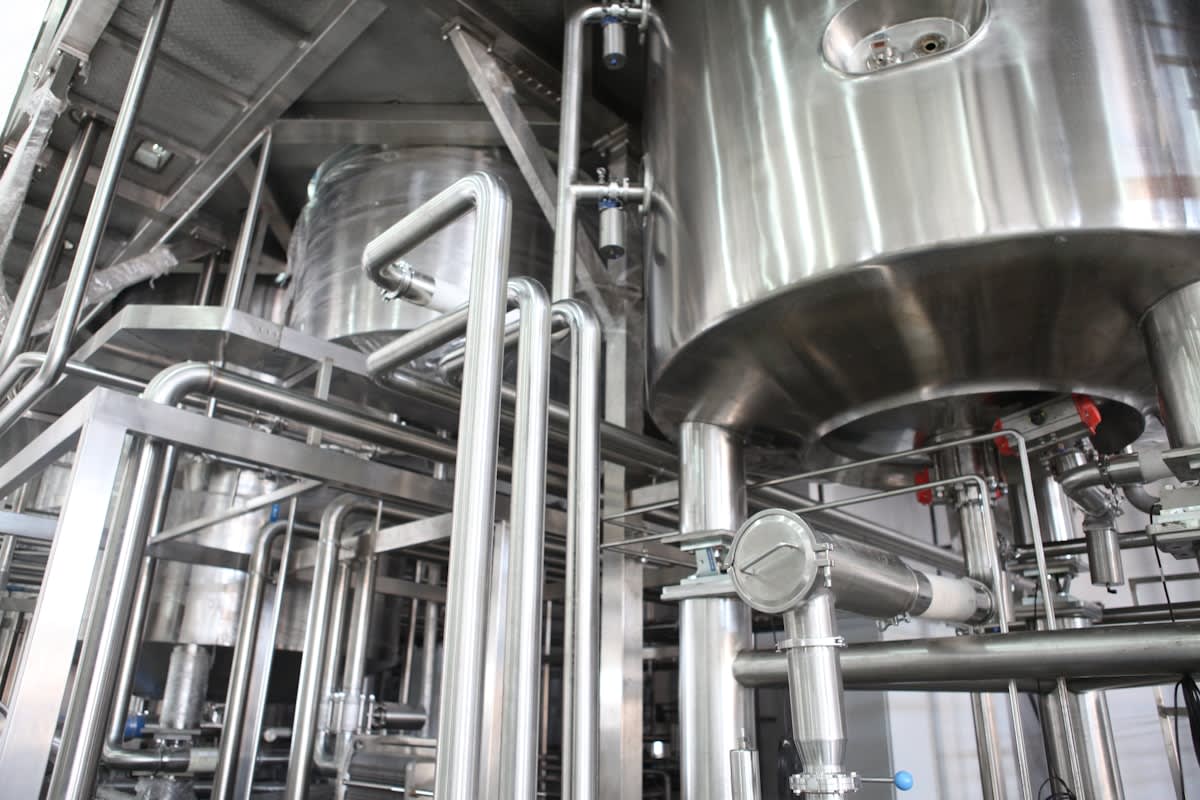
Is the consumer ready for a 'brewery-made' cheese? The data suggests a growing openness, provided the value proposition is clear. When the product offers the same melt, stretch, and taste as traditional brie or cheddar, but without the ethical baggage or the lactose, the barrier to entry drops. The industry is betting that functionality will trump the 'naturalness' argument once the price reaches parity.
A Global Patchwork of Progress
The rollout of precision fermentation is not uniform; it is a fragmented map of regulatory willingness. Singapore continues to lead the charge, positioning itself as the global testbed for novel foods. Their regulatory framework is designed for agility, allowing companies to bring animal-free proteins to market faster than anywhere else. This has made the city-state the epicenter for early commercial launches and consumer testing.
In the United States, the path is through the FDA's GRAS (Generally Recognized as Safe) notification process. While the US has seen several successful approvals, the scale of the market means that the transition is happening in pockets. We see high-end culinary adoption in cities like New York and San Francisco before these proteins trickle down into mass-market processed foods. The US approach is market-driven and decentralized.
The European Union remains the most cautious. Under the Novel Foods Regulation, the approval process is rigorous and often slow. This creates a tension between the EU's stated climate goals—which would be bolstered by lower-emission proteins—and its conservative approach to biotechnology. Consequently, many European startups are launching their products in Asia or North America first, creating a 'regulatory arbitrage' that shifts innovation hubs away from the continent.
| Region | Regulatory Approach | Market Status | Primary Driver |
|---|---|---|---|
| Singapore | Agile/Proactive | Early Commercial | Food Security |
| USA | GRAS/FDA | Selective Scaling | Market Innovation |
| European Union | Precautionary/Novel Food | Limited/Experimental | Safety & Tradition |
| Israel | Innovation-Centric | R&D Leader | Tech Ecosystem |
This global divergence creates a fascinating dynamic. We are seeing a race to the bottom on cost, but a race to the top on regulation. The winners will be the companies that can navigate these disparate legal landscapes while maintaining a global supply chain. The goal is a seamless transition where a consumer in Tokyo and a consumer in Berlin are using the same animal-free whey, regardless of the local regulatory hurdles.
"We are moving from an era of biological constraints to an era of digital design. The cow was a wonderful piece of technology for the 19th century, but for the 21st, it is an inefficient vessel for protein production."— Industry Analyst, Bio-Economy Forum
The Scaling Wall and the Feedstock Puzzle
Despite the optimism, a massive hurdle remains: the Scaling Wall. Producing a few liters of protein in a lab is trivial. Producing millions of liters in a way that is cheaper than a cow is an engineering nightmare. The industry currently lacks sufficient bioreactor capacity. To replace even a fraction of the global dairy market, we would need an expansion of fermentation infrastructure on a scale that rivals the global brewing industry.
Then there is the feedstock problem. Microbes do not eat grass; they typically eat sugar, usually derived from corn or cane. If we simply replace cows with corn-fed microbes, we haven't solved the land-use problem—we've just shifted it. The next frontier is 'carbon-to-protein' technology, where microbes are fed hydrogen or CO2 instead of sugar. This would truly decouple protein from arable land, turning a food system into a carbon-capture system.
Estimated Resource Intensity per kg of Protein
Executive Insight
+18.4%
YTD Growth
The economic resilience of this model lies in its flexibility. Unlike a dairy farm, which is tied to a specific geography and climate, a fermentation plant can be built anywhere. It can be placed next to a city, reducing transportation emissions and logistics costs. This localization of protein production is a strategic advantage in an era of volatile global supply chains and increasing climate instability.
The New Dairy Architecture
We should not expect a total overnight replacement of the cow. Instead, we will see the rise of 'hybrid' products. Imagine a cheese that uses 50% traditional dairy and 50% precision fermentation protein. This allows manufacturers to lower costs and emissions while maintaining the traditional flavor profiles that consumers crave. These hybrids act as a bridge, easing the transition for both the consumer and the existing agricultural infrastructure.
The ultimate trajectory is the democratization of protein. When protein production becomes a software-driven process, the intellectual property becomes the value, not the land. This shifts power away from land-rich conglomerates toward tech-rich innovators. The invisible dairy is not just a change in how we make milk; it is a fundamental restructuring of the global food economy.
As we move forward, the success of precision fermentation will be measured not by the number of startups, but by the volume of protein. The transition from boutique luxury to commodity staple is the final hurdle. Once the cost per kilogram of animal-free whey drops below the cost of bovine whey, the decoupling will be complete. The animal will no longer be the primary source of protein; it will be an optional, premium luxury.