
The Shift Toward Regenerative Sovereignty
True food sovereignty in an urban environment requires more than just planting seeds; it demands a clinical application of regenerative principles and precision technology. We are currently witnessing a systemic pivot, evidenced by the first statewide Farmland Summit hosted by Chico State, where the focus has shifted toward nature-based solutions as a primary climate strategy. For the micro-farmer, this means moving beyond simple gardening toward the creation of a resilient ecosystem that mimics natural processes. By adopting the frameworks discussed by California Secretary of Food and Agriculture Karen Ross, urban growers can transition from passive cultivation to active environmental restoration. This approach ensures that the farm does not merely produce food but actively improves the land it occupies.
The scale of this transition is not limited to small plots. Global entities like PepsiCo are already scaling these practices, expanding regenerative, restorative, and protective farming to 4.7 million acres worldwide. This industrial validation proves that regenerative agriculture is not a niche hobby but a scalable operational standard. When a global supply chain targets 90% sustainable sourcing by 2030, the micro-farmer must recognize that the competitive edge now lies in sustainability and soil health. The objective is to replicate this high-level efficiency on a micro-scale, ensuring that every square inch of urban space is optimized for maximum caloric output and minimal ecological footprint.
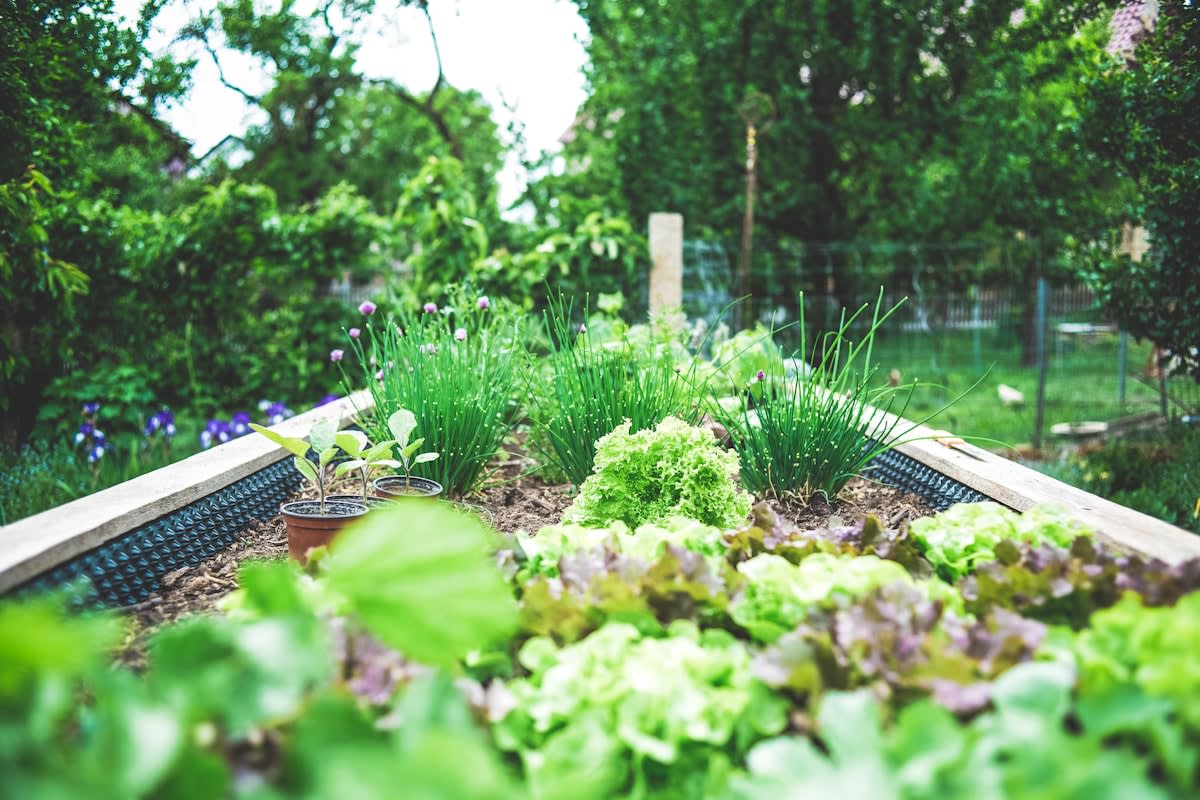
Prerequisites for the Micro-Farm
Before deploying a high-yield system, the practitioner must secure specific operational foundations. You cannot build a regenerative system on depleted, toxic urban soil without a plan for restoration. The focus must be on resource efficiency, as the primary challenge in modern agriculture is doing more with fewer resources. Whether you are managing a rooftop or a backyard, the goal is to eliminate waste and maximize the synergy between your inputs and outputs. This requires a mindset shift from 'controlling nature' to 'partnering with nature,' utilizing the same logic that drives the current expansion of regenerative practices in California.
- Access to nature-based solution frameworks (regenerative soil management)
- Precision monitoring tools to address labor shortages and operational costs
- A sustainable sourcing strategy for inputs, aiming for a high percentage of regenerative materials
- Climate-resilient crop varieties capable of withstanding extreme heat events
- A standardized set of metrics to track soil health and yield
The Step-by-Step Blueprint
- Establish a Regenerative Baseline: Implement nature-based solutions to restore soil biology, moving away from legacy chemical-dependent systems.
- Integrate Precision Automation: Deploy automated tools—inspired by the adoption of agricultural drones by companies like VECTORAGR—to maximize efficiency and reduce labor dependency.
- Optimize Sustainable Sourcing: Audit all inputs to ensure they meet regenerative standards, mirroring the 70% to 90% sustainability targets seen in global agricultural shifts.
- Build Climate Resilience: Engineer the farm to withstand extreme weather, such as the intense heatwaves recently observed in Europe, through strategic shading and water management.
- Standardize and Validate: Define clear regenerative goals to avoid the fragmentation and loss of trust associated with vague sustainability claims.
The first step—establishing a regenerative baseline—is the most critical. As noted during the California Farmland Summit, changing a system that has operated under traditional methods for years is difficult. It requires an openness to sharing stories and data to ensure the path is not a lonely road. For the urban grower, this means implementing cover cropping, no-till methods, and composting to build organic matter. By focusing on the biology of the soil, you create a system that is naturally more resistant to pests and diseases, reducing the need for external interventions.
The Automation Imperative
Agricultural drones are moving from niche technology to an established part of farm operations to solve persistent labor shortages. Micro-farmers should apply this logic by automating repetitive tasks—such as irrigation and nutrient delivery—to ensure the farm remains viable even with limited human labor.
Integrating precision automation is the second pillar of the blueprint. The rise of companies like VECTORAGR demonstrates that automation is the only viable answer to rising operational costs and labor challenges. In a micro-farm context, this doesn't necessarily mean buying a fleet of drones, but it does mean adopting the 'precision agriculture' mindset. This involves using sensors for real-time soil moisture tracking and automated dosing for nutrients. The goal is clinical precision: delivering exactly what the plant needs, exactly when it needs it, thereby eliminating waste and maximizing yield.
| Metric | Traditional Urban Farming | Precision Regenerative Micro-Farm |
|---|---|---|
| Input Strategy | Synthetic fertilizers/pesticides | Nature-based, sustainable sourcing |
| Labor Model | Manual, labor-intensive | Automated, precision-driven |
| Environmental Impact | Resource depletion | Restorative/Protective (Regenerative) |
| Climate Response | Reactive/Vulnerable | Resilient/Adaptive |
Sustainable sourcing is where the micro-farmer aligns with global trends. PepsiCo's commitment to supporting 224,000 people across its agricultural supply chains highlights the social and ecological impact of sustainable sourcing. To achieve food sovereignty, you must ensure your seeds, compost, and tools are sourced from regenerative providers. If you can push your sustainable sourcing toward the 90% mark, you decouple your farm from the volatile and often destructive industrial agricultural complex, creating a closed-loop system that is both ethical and efficient.
"It’s hard to, you know, change against the system that’s been doing it for years and years, so that’s why we just are continuing to share our story and the stories of other farmers that are doing it."— Montes, California Farmland Summit
Climate resilience is no longer optional. The recent extreme heatwaves in Europe, which led to over 1,300 excess deaths, serve as a stark reminder of the volatility of our current climate. A high-yield micro-farm must be engineered for these extremes. This involves utilizing vertical layering to create micro-climates, implementing advanced mulching to retain moisture, and selecting crop varieties that can thrive under heat stress. By building a farm that can survive a heatwave, you ensure that your food sovereignty is not wiped out by a single weather event.
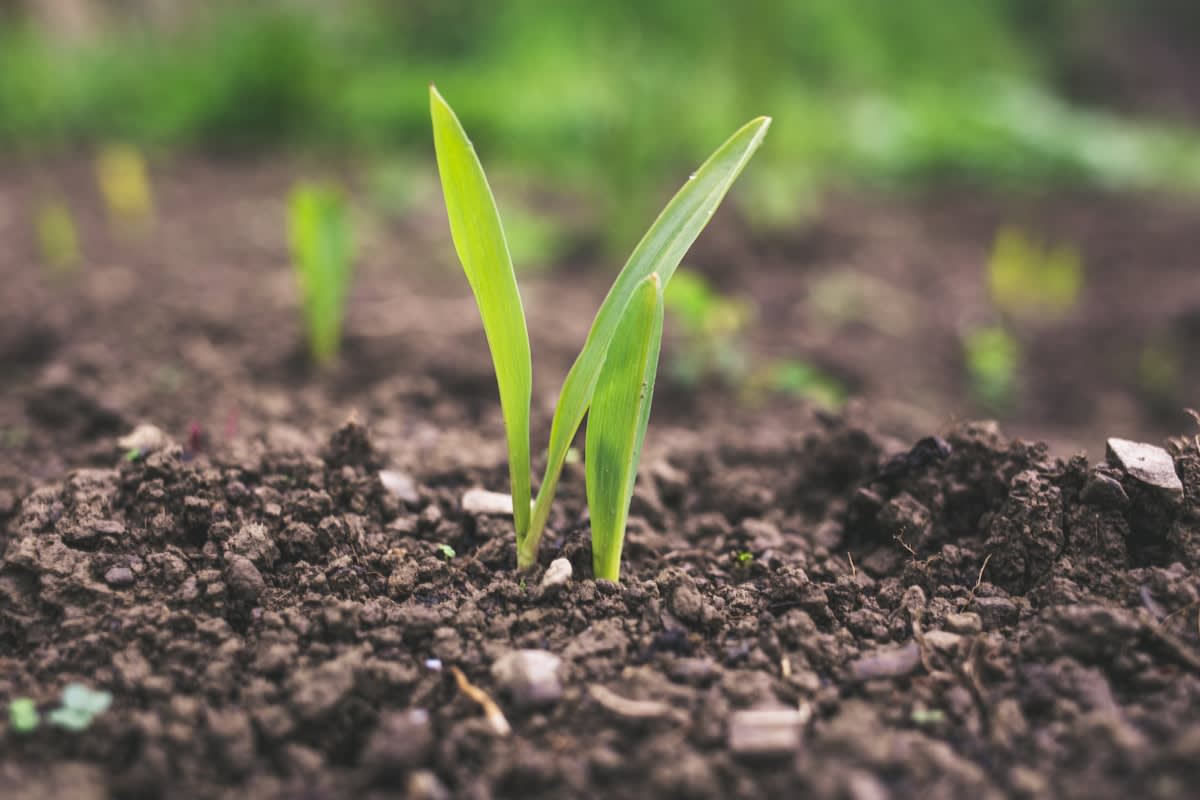
Finally, the practitioner must focus on standardization. As noted by experts in the Food Tank weekly roundup, regenerative agriculture risks fragmentation and a loss of trust without clear alignment on what the practice actually achieves. To avoid this, micro-farmers should keep rigorous logs of soil organic matter, biodiversity counts, and yield per square foot. By quantifying your success, you transform your farm from a trial-and-error project into a validated blueprint that can be replicated and scaled within your community.
Common Pitfalls to Avoid
The most frequent error is the 'sustainability trap,' where growers use the term 'regenerative' without implementing actual nature-based solutions. Without a standardized framework, these efforts become superficial. Another common failure is ignoring the labor-efficiency gap. Many urban farmers attempt to manage everything manually, only to burn out as the farm scales. The lesson from the US agricultural drone shift is clear: automation is not a luxury; it is a necessity for long-term viability. If you do not integrate precision tools early, your operational costs will eventually eclipse your yields.
- Using 'regenerative' as a buzzword without tracking soil health metrics.
- Over-reliance on manual labor instead of integrating precision automation.
- Sourcing inputs from non-sustainable chains, undermining the restorative goal.
- Failure to plan for extreme weather events like European-style heatwaves.