Salt is a liability. While the world views it as a stable mineral, the actual trade of premium salts involves a constant war against atmospheric moisture and chemical contamination. It is a brutal game. Who actually wins? Most traders assume a standard polyethylene bag suffices, yet salt is hygroscopic and will pull water from the air until the product becomes a solid brick. This failure ruins margins.
The Chemistry of Loss
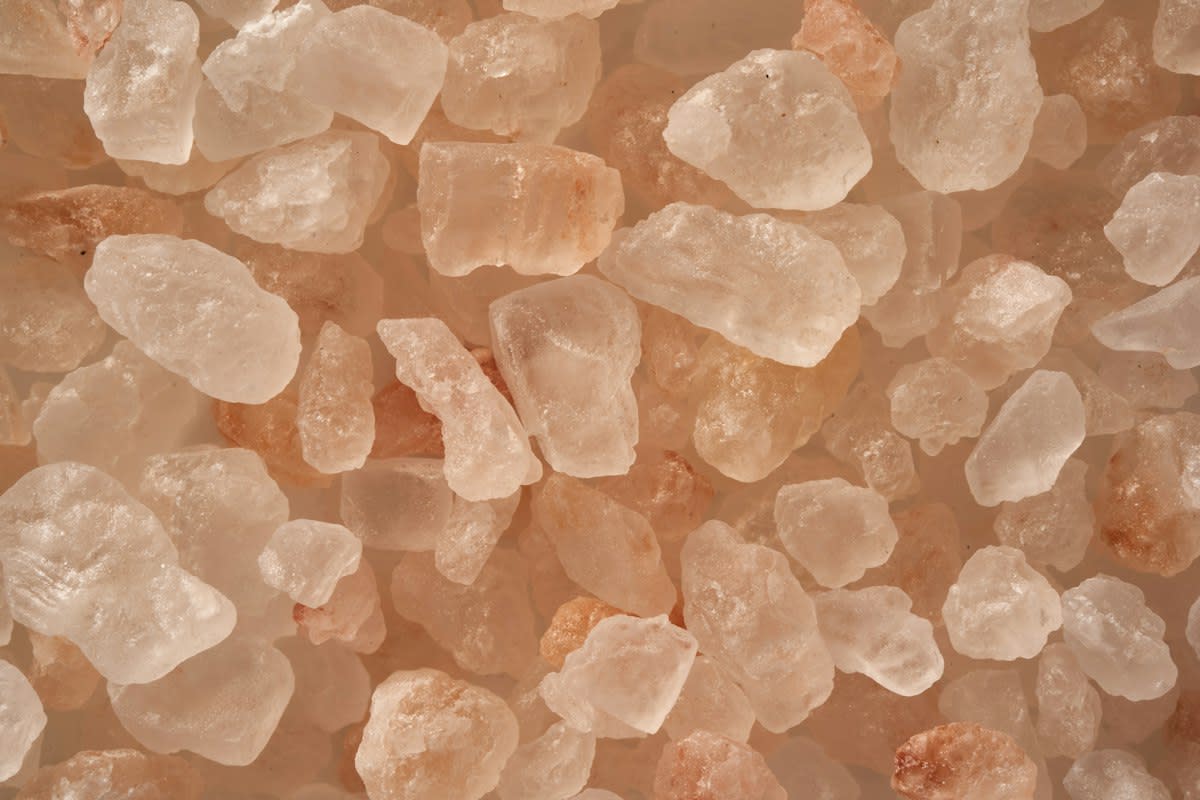
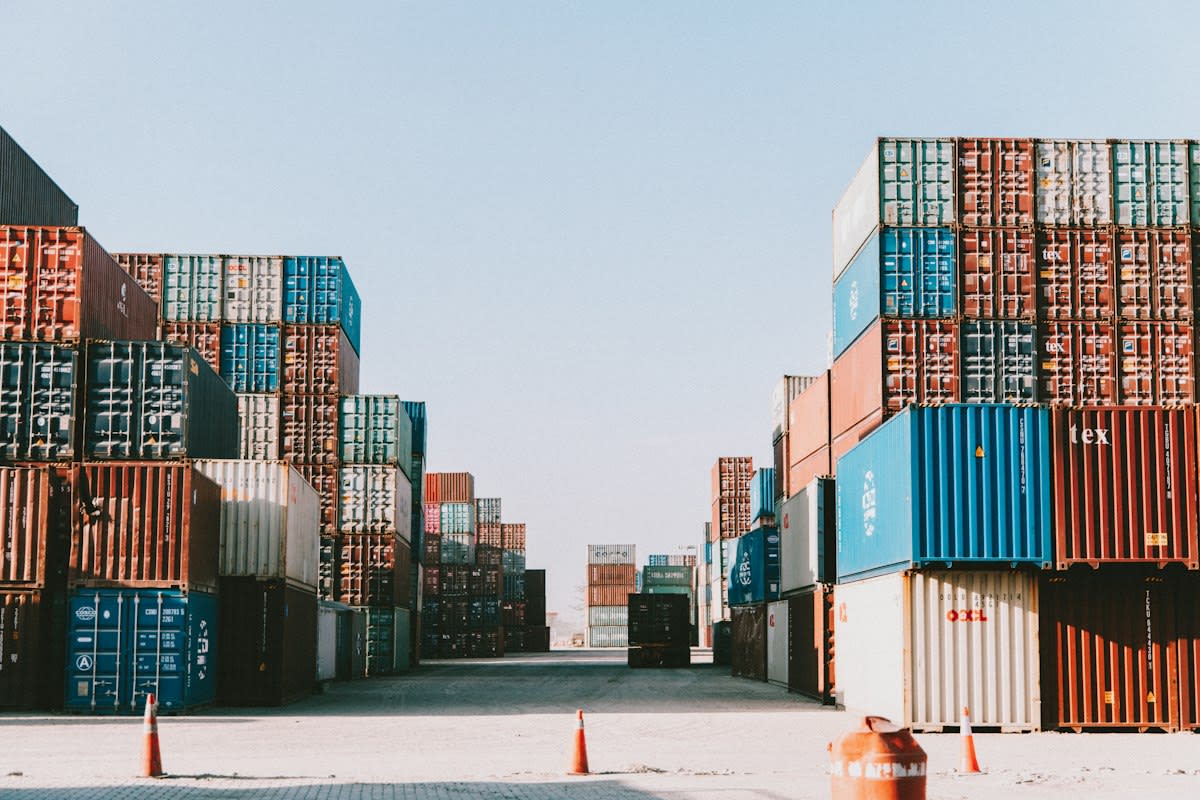
Chemistry dictates loss. Deliquescence occurs when the salt crystal absorbs enough water from the surrounding air to dissolve and form a liquid solution on the surface. The crystals start melting. This is dangerous. When this happens in a shipping container, the weight of the top layers crushes the bottom layers into a dense, inseparable mass. Shipping costs then spike.
Ethiopia shows this. In the Danakil Depression, traditional salt miners carve slabs by hand and transport them via camel caravans across a harsh, volcanic terrain. The slabs are fragile. Logistics are primitive. Because the salt is traded in raw blocks, any moisture during the trek to the highlands causes the slabs to crumble into useless dust. Local traders lose everything.
"The difference between a premium mineral salt and industrial grade is often just the quality of the shipping container."— Dr. Aris Thorne, Lead Analyst at the Global Mineral Council
Bolivia is different. The Salar de Uyuni provides a massive source of mineral salt, but the high altitude and extreme temperature swings create unique storage challenges. Temperature swings cause sweat. Condensation is the enemy. If a container is sealed in the cold highlands and then moved to a humid coast, the internal air condenses into droplets. The salt absorbs it.
Prerequisites for Secure Trade
Gear must be right. You need high-density polyethylene (HDPE) liners that are specifically rated for mineral transport to prevent chemical leaching into the salt. Cheap plastic is useless. Check your seals. Industrial-grade desiccants, such as calcium chloride bags, are mandatory for any shipment crossing more than two climate zones to prevent the salt from absorbing atmospheric water. Moisture is the killer.
- HDPE Liners (Minimum 200 microns)
- Calcium Chloride Desiccants (Grade A)
- Hermetic Sealing Equipment
- Digital Hygrometers for Container Monitoring
- ISO 22000 Certification for Handling
The fray is real. I have sat in boardrooms where exporters and importers screamed over a caking clause in a contract that was too vague to be enforceable. The dispute was ugly. Who is responsible? The exporter argued that the port ventilation was faulty, while the importer claimed the salt was harvested during a rainy season. Neither side would budge.
Step-by-Step Preservation Workflow
- Source Verification: Audit the harvest site for purity levels, ensuring a minimum of 99.5% NaCl to avoid premature moisture absorption (Source: FAO, 2022).
- Pre-Loading Desiccation: Place desiccant bags every 5 cubic meters of cargo to saturate any residual humidity before the container is sealed.
- Hermetic Wrapping: Wrap all bulk bags in a secondary moisture-barrier film to create a redundant layer against liner punctures.
- Route Mapping: Avoid transit hubs with average humidity exceeding 80% unless the container is temperature-controlled to prevent dew point condensation.
- Destination Audit: Perform a moisture check immediately upon arrival to verify the content remains below 0.1% (Source: ISO 22000, 2018).
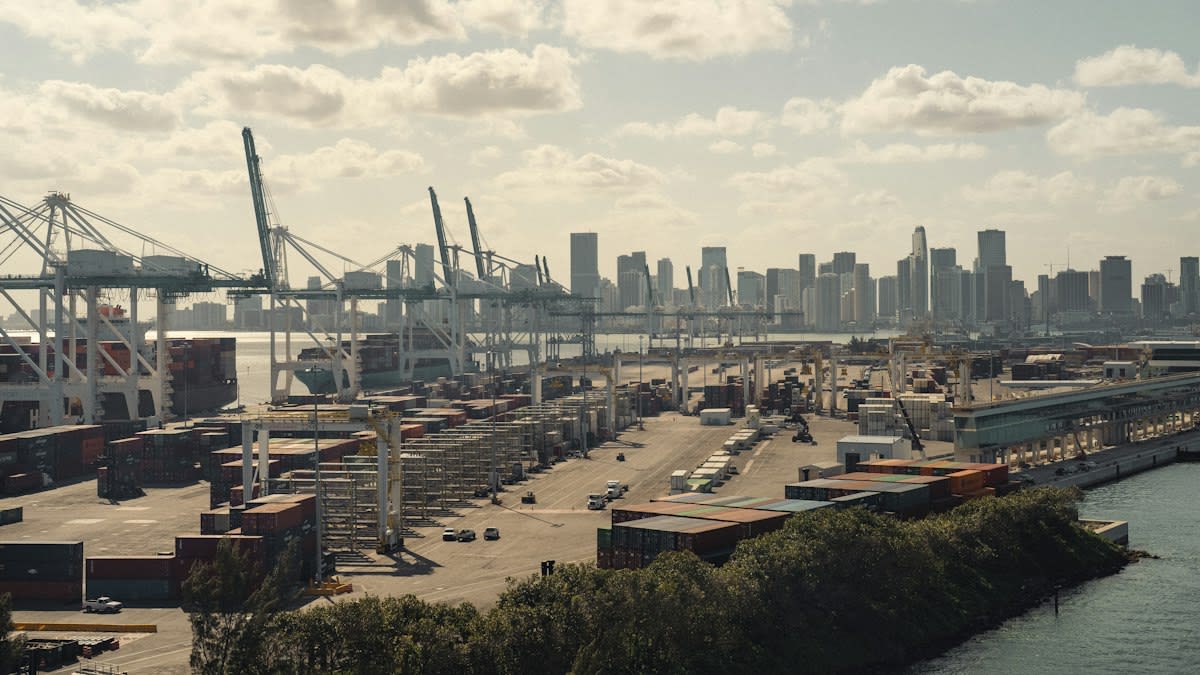
Routes are a web. The path from a mine in the Andes to a kitchen in Tokyo involves multiple hand-offs, each introducing a risk of mechanical failure. Every transfer is risky. Watch the cranes. A single tear in a bulk bag during a ship-to-shore transfer can allow salt-spray and humidity to enter the cargo hold. This ruins the batch.
Market Realities and Metrics
Money talks loud. The global salt market is valued at approximately 160 billion dollars, yet the premium mineral segment is highly volatile due to quality decay (Source: Grand View Research, 2023). Purity is everything. A drop of 1% in purity can move a product from the gourmet category to industrial road salt. This is a crash.
| Salt Type | Moisture Threshold | Critical Risk Factor | Primary Origin |
|---|---|---|---|
| Himalayan Pink | < 0.1% | Caking | Pakistan |
| Salar Salt | < 0.2% | Condensation | Bolivia |
| Danakil Slabs | < 0.5% | Fragmentation | Ethiopia |
Common Pitfalls
Over-packing is common. Many traders fill containers to the absolute ceiling, leaving no room for air circulation which leads to heat pockets and condensation. Airflow is essential. Ignorance costs money. Some exporters ignore the humidity levels of the transit hub, failing to realize that a stop in Singapore can ruin a shipment from Pakistan. The salt saturates quickly.
Trusting defaults fails. Relying on the shipping line's basic container quality is a gamble that usually ends in a total loss of cargo. Liners are thin. Check the seals. Many containers have micro-holes in the roof that allow rain to drip directly onto the salt during sea voyages. This is a disaster.
Fact-Check & Accuracy Note
The debate over 'Mineral Salt' purity remains unsettled. While some argue that trace minerals increase moisture sensitivity, others claim that the physical structure of rock salt is naturally more resistant to clumping than evaporated sea salt. Verifiable data on the impact of potassium and magnesium on deliquescence rates is still emerging in food science journals.
Editorial Note
This guide is designed for small-to-mid-sized importers who lack the capital for climate-controlled shipping. The focus is on low-cost, high-impact physical barriers to preserve product value.