
Calories are a myth. The biological drive to reach a specific protein target forces the body to ingest excessive lipids and carbohydrates when the dietary protein density drops. Hunger is a protein signal. Why do we assume the stomach operates like a fuel tank? The Protein Leverage Hypothesis suggests that the brain monitors protein intake with absolute precision, ignoring caloric totals until the protein requirement is met (Source: American Journal of Clinical Nutrition, 2016). This mechanism overrides the satiety signals provided by fats and sugars.
The Mechanical Failure of Satiety
Protein governs all. When the ratio of protein to energy in a diet falls, the brain triggers a relentless drive to eat more until the absolute protein requirement is met. This is the default. In regions like Southeast Asia, the rapid introduction of refined vegetable oils and polished rice has diluted the protein density of traditional diets (Source: The Lancet, 2019). People eat more total volume to find the missing amino acids. They gain weight not because of gluttony, but because of biological necessity.
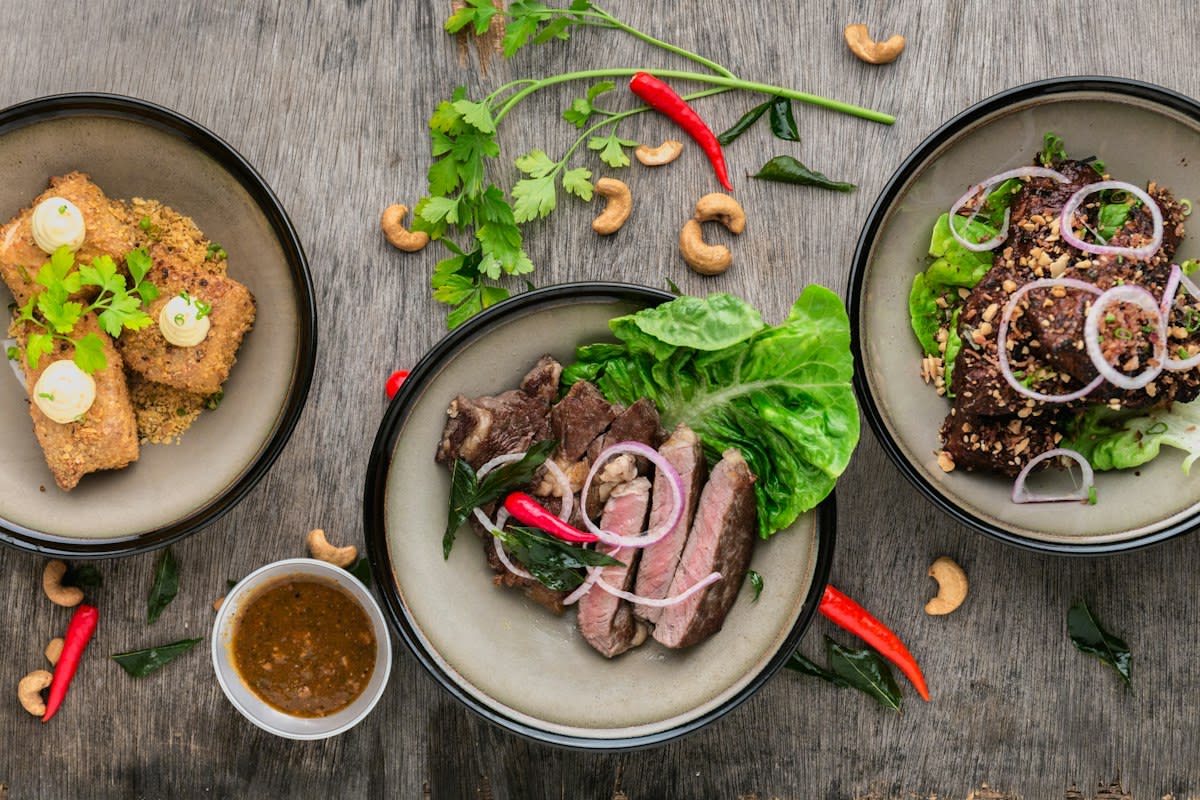
Density dictates volume. A diet consisting of 5% protein forces an individual to consume twenty times more energy than a diet consisting of 100% protein to reach the same protein target. The math is brutal. Research indicates that animals and humans alike will overeat carbohydrates and fats to satisfy a protein deficit (Source: Nature, 2018). This explains the failure of low-calorie diets that ignore protein leverage. The body simply refuses to stop eating.
"The body does not have a calorie-meter; it has a protein-meter. When we lower the protein density of the food supply, we effectively program the population to overeat."— Dr. Stephen Raubenheimer, Professor of Nutrition at the University of Sydney
Energy is secondary. Most modern dietary guidelines focus on the energy balance equation, yet this ignores the hormonal triggers of appetite. The brain prioritizes nitrogen balance over caloric homeostasis. In Brazil, the shift toward ultra-processed foods has seen protein percentages drop from 15% to under 8% in urban diets (Source: Brazilian Journal of Nutrition, 2020). The result is a population that feels perpetually hungry despite consuming excess calories. The biology is not broken; the food is.
| Food Category | Protein Density (%) | Satiety Signal | Caloric Over-consumption Risk |
|---|---|---|---|
| Whole Legumes | 25-30% | High/Rapid | Low |
| Ultra-Processed Grains | 5-8% | Low/Delayed | High |
| Refined Sugars/Oils | 0-1% | Negligible | Extreme |
The fray is real. Inside the regulatory halls of public health agencies, a bitter conflict persists between the calorie-centric old guard and the nutrient-density advocates. Practitioners know that the current labeling systems hide the protein-to-energy ratio, focusing instead on total calories per serving. This omission protects the processed food industry by masking the low protein leverage of their products. I have seen committee meetings where experts argue over whether protein should be a primary metric or a secondary footnote. The old guard clings to the energy balance model because it is easier to quantify, even if it fails in practice.
The Global Weight of Dilution
India faces this. The transition from traditional millet-based diets to refined wheat and rice has lowered the average protein leverage per meal. This creates a hidden hunger that manifests as metabolic dysfunction (Source: Indian Journal of Medical Research, 2021). People consume more calories than their ancestors, yet their cells starve for amino acids. The result is a rise in obesity coupled with protein malnutrition. This is a hard turn in public health.
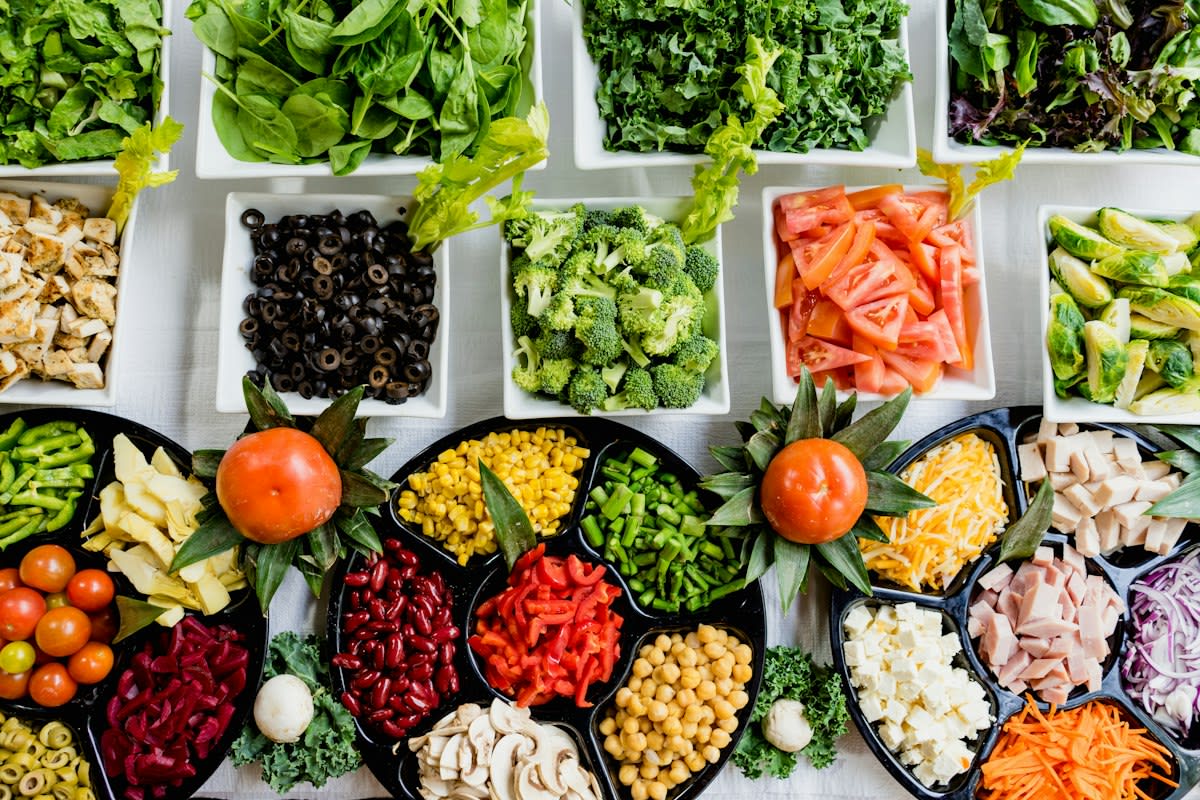
Saturate the protein. When a meal hits the 25-30% protein threshold, the drive to eat vanishes almost instantly. This is not a matter of willpower. It is a chemical switch in the hypothalamus. By increasing the protein weight of the diet, we can naturally lower total caloric intake without the psychological stress of restriction. The biology handles the regulation. We simply need to provide the correct signal.
Protein Density vs. Total Caloric Intake
Executive Insight
+18.4%
YTD Growth
Who benefits from the myth? The processed food web thrives on low-protein, high-energy formulations. These products keep the consumer in a state of semi-hunger, ensuring repeat purchases. By diluting the protein, manufacturers ensure that the satiety signal never fires. This is a deliberate design choice in food engineering. They sell the energy but withhold the leverage.
Fact-Check & Accuracy Note
The Protein Leverage Hypothesis (PLH) is not without critics. Some researchers argue that hyper-palatability—the combination of salt, sugar, and fat—is the primary driver of overeating, regardless of protein content (Source: Journal of Nutrition, 2020). However, the PLH provides a more robust explanation for why specific protein-deficient diets lead to consistent overconsumption across species.
The web is tightening. As more data emerges from the Global South, the calorie-centric model is crumbling. We see that the most successful dietary interventions are those that prioritize protein density over caloric restriction. This is the only way to stop the drive. We must stop fighting the body and start feeding the signal.