Maharashtra man duped 14 women, fled to UAE; dragged back to India
Source Entity
Manish Kumar Pathak
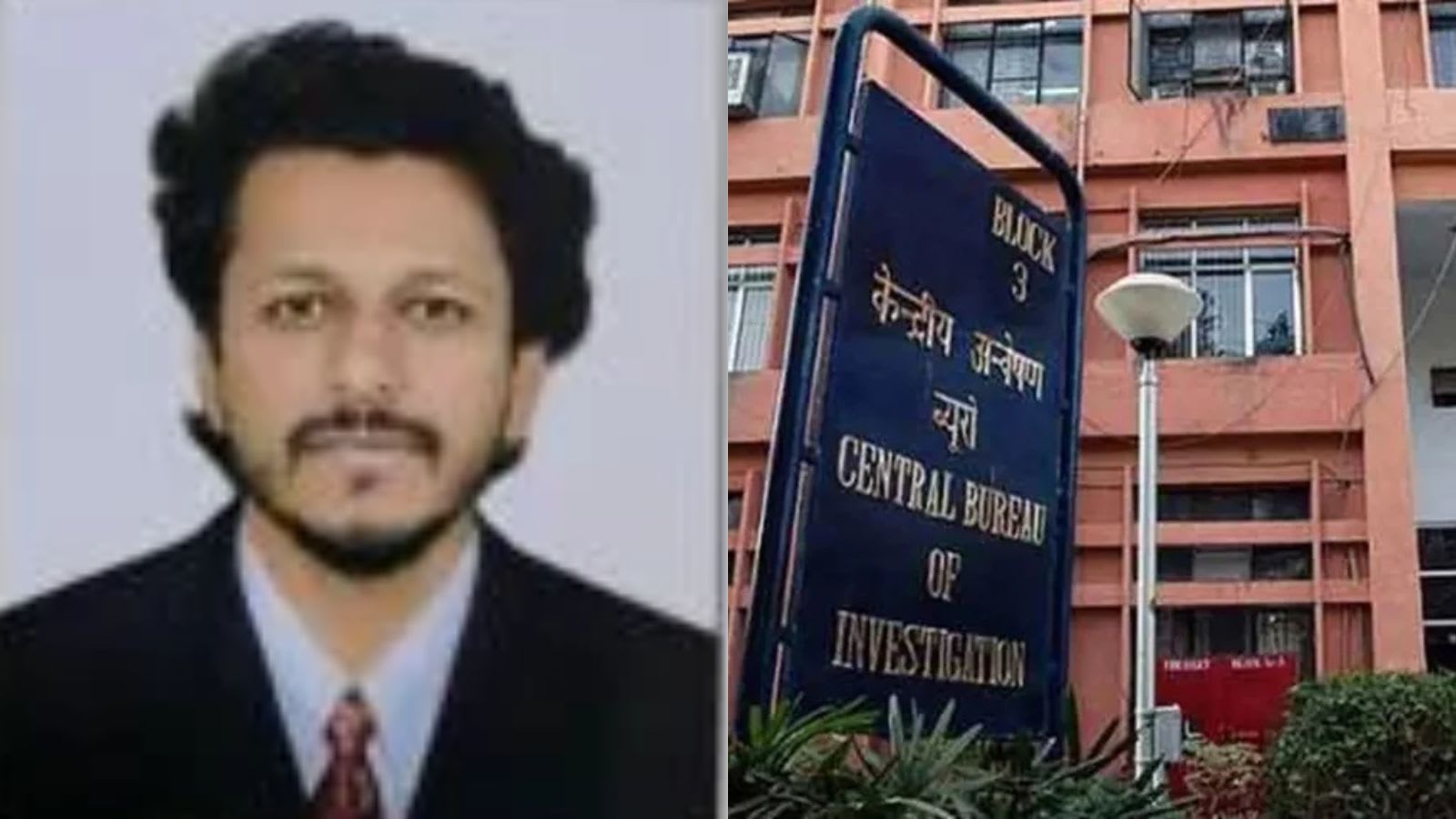
A 32-year-old man from Chhatrapati Sambhaji Nagar has been extradited from the UAE to face charges of exploiting 14 women. The accused, Mohammed Mozin, allegedly used false marriage promises to commit sexual and financial fraud.
Extradition of Accused in Multi-Victim Fraud Case
In a significant development for law enforcement cooperation, Mohammed Mozin, a 32-year-old resident of Chhatrapati Sambhaji Nagar, has been extradited from the United Arab Emirates to India. The accused was the subject of an intensive investigation following allegations that he systematically exploited 14 women through a calculated scheme involving false promises of marriage. This case highlights the growing complexity of cross-border criminal activities and the effectiveness of international police coordination.
The Modus Operandi of Deception
The allegations against Mozin paint a grim picture of predatory behavior. According to reports from the City Chowk police station, the accused utilized the promise of matrimony as a primary tool to establish intimate relationships, which he then leveraged for financial gain and sexual exploitation. One specific complaint detailed a loss of Rs 18 lakh, underscoring the severe financial trauma inflicted upon the victims alongside the emotional and physical betrayal. The scale of the operation—spanning 14 known victims—suggests a high degree of premeditation.
The Role of International Law Enforcement
The apprehension of the accused was made possible through the activation of Interpol channels. After fleeing India last year, Mozin likely sought the UAE as a safe haven, believing that international borders would shield him from the consequences of his actions in Maharashtra. However, the Central Bureau of Investigation (CBI) played a pivotal role in facilitating his return, demonstrating the critical importance of bilateral cooperation between India and the UAE in tracking down fugitives who attempt to evade the judicial process by moving abroad.
Legal Implications and Broader Context
This case brings to the forefront the legal challenges surrounding 'matrimonial fraud,' an issue that has seen rising concern in India. By using the institution of marriage as a facade for criminal activity, the accused violated multiple sections of the Indian Penal Code, ranging from cheating and criminal breach of trust to sexual assault charges based on consent obtained through deception. The legal proceedings in the City Chowk police station will now move into a crucial phase of evidence gathering and trial.
Future Trends and Judicial Oversight
The successful extradition of Mozin serves as a warning to individuals who believe that absconding to foreign jurisdictions provides immunity from prosecution for domestic crimes. As digital footprints become more traceable and international treaties regarding extradition become more streamlined, the window for criminals to escape justice is narrowing. This case will likely set a precedent for how future cases of large-scale matrimonial fraud are handled by the Indian judiciary and investigative agencies.
Concluding Summary
In conclusion, the return of Mohammed Mozin to face justice is a major step toward accountability for the 14 women affected by his actions. The collaboration between local police, the CBI, and international authorities marks a success for the rule of law. As the case progresses, the focus will shift toward ensuring a fair trial and securing justice for the victims who suffered at the hands of this calculated exploitation.