Our real-life Khosla ka Ghosla: The honest salaried person is being pushed out
Source Entity
Anubha Yadav
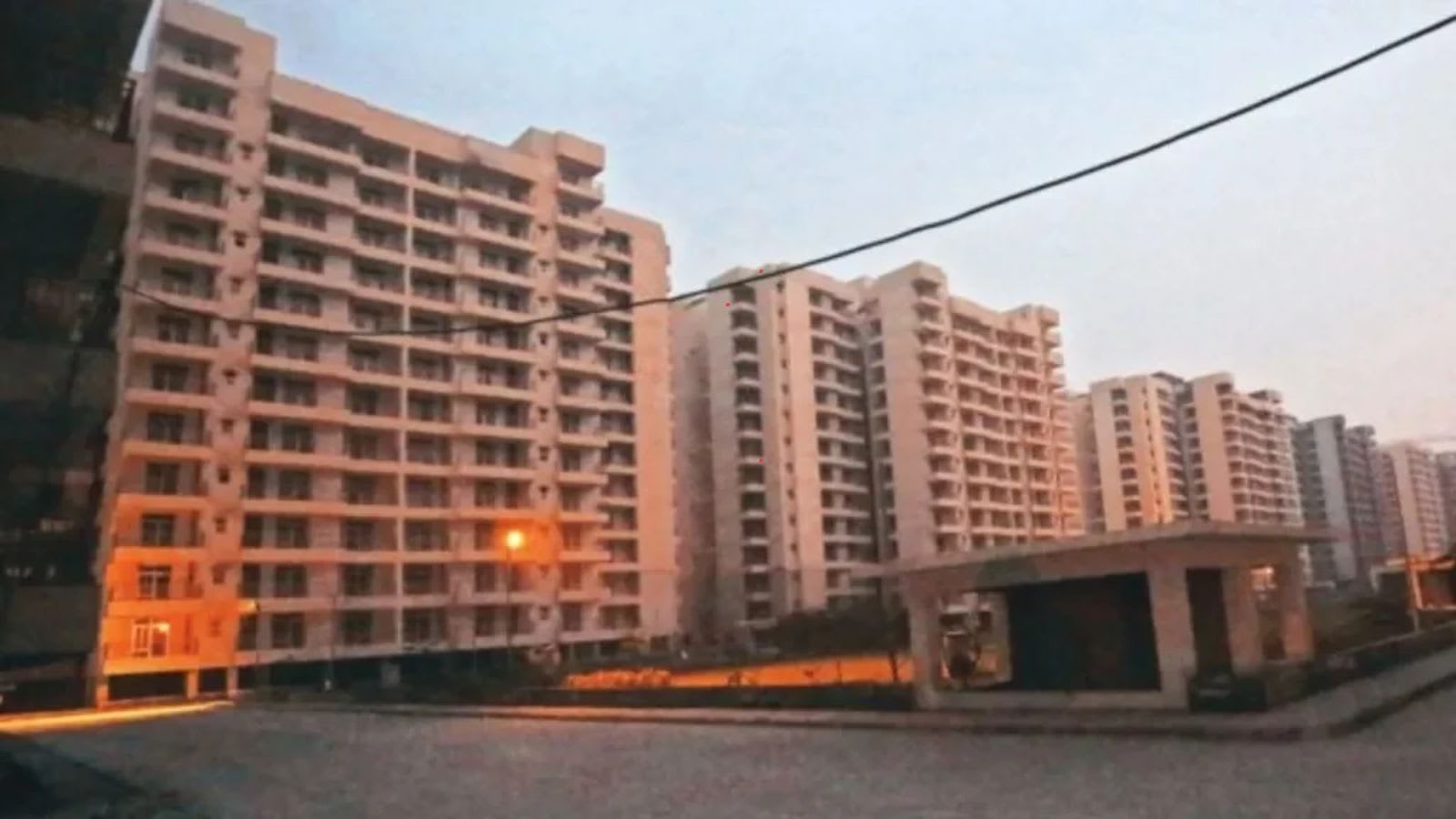
Spain recently experienced its first major general strike in 14 years, with millions protesting against surging housing costs and stagnant salaries. The event highlights a global crisis of urban affordability, drawing parallels between Spanish tenant struggles and the exclusionary real estate markets in Indian metros.
The Global Crisis of Urban Affordability: Lessons from Spain
On November 11, Spain witnessed a historic mobilization as millions of workers—estimated at roughly one-fifth of the national workforce—participated in the country’s first general strike in 14 years. Operating under the rallying cry of “Salaries. Housing. Prices,” the movement represents a boiling point for a populace squeezed by the dual pressures of inflationary living costs and a deteriorating housing market. This massive display of civil unrest serves as a stark reminder that when the fundamental right to shelter is commodified beyond the reach of the average salaried employee, the social contract begins to fracture.
The Catalyst: Tragedy and Systemic Failure
The momentum for this widespread industrial action did not emerge in a vacuum. It was galvanized by the tragic death of an 87-year-old tenant in September following an eviction, an event that became a rallying point for activists. The slogan “Not Even One More Maricarmen” signifies a shift from economic grievance to a moral crusade against the systemic displacement of the elderly and the vulnerable. This tragedy exposed the human cost of housing policies that prioritize asset appreciation over the basic security of long-term residents, forcing the Spanish government to confront the limits of its current economic model.
Parallels in the Indian Real Estate Landscape
The experience in Spain mirrors the growing disillusionment felt by middle-class citizens in India’s major metropolitan areas. As the commentary notes, the quintessentially honest, salaried individual is increasingly being pushed out of the real estate market. In cities like Delhi, the features of the property market have become increasingly exclusionary, characterized by rising prices that bear little relation to wage growth. While Spain has successfully identified and vocalized this crisis through collective action, India remains in a state of silent, fragmented struggle, lacking the unified movement required to force a policy reckoning.
Economic Implications of Housing Exclusion
The economic implications of this trend are profound. When a significant portion of a workforce spends a disproportionate amount of their income on rent or mortgage servicing, consumer spending in other sectors inevitably declines, stifling broader economic growth. Furthermore, the persistent rise in housing costs creates a generational divide, where the dream of homeownership—a hallmark of middle-class stability—becomes an unattainable luxury. This exclusion does not merely affect the individual; it destabilizes the labor market by forcing workers to live further from employment hubs, increasing commute times and reducing overall productivity.
A Call for Policy Reform and Future Trends
Looking ahead, it is clear that housing affordability will become a central pillar of global political discourse. The Spanish strike signals a potential shift in how labor movements integrate housing issues into their agendas. Future trends suggest that if governments fail to implement robust tenant protections and address supply-side constraints, we can expect more frequent and intense protests. To avoid the level of unrest seen in Spain, policymakers in developing and developed nations alike must treat housing not just as an investment vehicle, but as a critical piece of social infrastructure essential for economic stability and human dignity.