The messy breakdown of the UN’s latest climate conference
Source Entity
Latest News: Todays Latest News Headlines from India & World | Hindustan Times
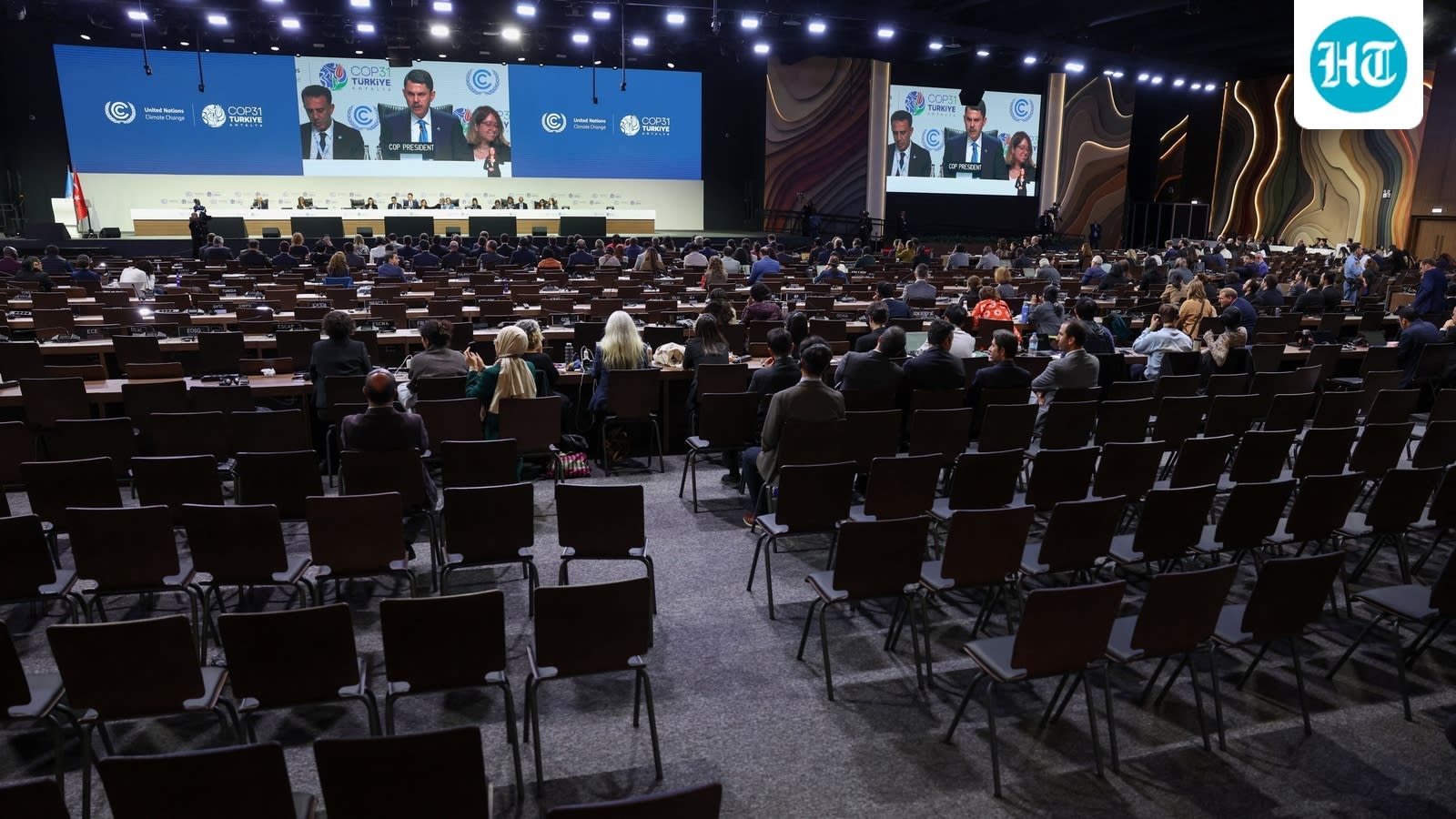
The COP31 climate summit in Antalya has descended into structural deadlock over the exclusion of fossil fuel language in the final agreement. Tensions escalated as delegates clashed over proposed carbon capture targets while failing to address the looming 1.5C warming threshold.
The Structural Collapse of COP31
The recent conclusion of the COP31 climate summit in Antalya, Turkey, has been marked by a profound sense of institutional failure. Rather than delivering a clear roadmap for climate action, the conference ended in a chaotic breakdown, characterized by a fundamental disagreement over the inclusion of fossil fuels in the final summary text. The inability of the parties to reach a consensus on this primary issue suggests that the current framework for international climate diplomacy is struggling to reconcile the diverging interests of global powers.
The Crisis of Diplomacy and Accountability
The collapse was punctuated by an unusually candid admission from Simon Stiell, executive secretary of the UNFCCC, who noted that the failure is structural rather than circumstantial. This indicates that the current negotiation model—relying on consensus-based decision-making among nearly 200 nations—may be reaching its limit. The finger-pointing that ensued, particularly after the European Union rejected the proposed “cover text” minutes before its expected approval, highlights a deep-seated lack of trust between the Global North and other negotiating blocs.
The Carbon Capture Flashpoint
A central point of contention at COP31 is the push for carbon capture technology, with a proposed goal of 1 billion tonnes. While hosts Türkiye and Australia argue that this technology is essential for industrial sectors that cannot easily transition to renewables, critics view it as a lifeline for fossil fuel companies. The controversy is intensified by the fact that the draft deal explicitly omits references to coal, oil, and gas, leading many to fear that carbon capture is being used to justify the continued combustion of fossil fuels.
Distinguishing Capture from Removal
There is a critical technical and political distinction between capturing carbon at the point of emission—factory and power-plant chimneys—and removing CO2 that is already circulating in the atmosphere. The current focus at COP31 on industrial capture has sparked intense debate, as the scale of operational carbon capture remains minimal today. By prioritizing this technology in the absence of a fossil fuel phase-out mandate, the draft agreement has drawn sharp criticism from environmental advocates who argue it bypasses the necessary transition to clean energy.
The 1.5C Threshold and Future Uncertainty
Beyond the technical debates, the summit failed to provide a cohesive strategy for addressing the looming breach of the 1.5C warming limit. The absence of concrete commitments regarding fossil fuel reduction leaves the international community without a clear signal on how to curb global emissions. As the world moves forward, the “evolution” of the UNFCCC process mentioned by Stiell remains an abstract concept, with no clear path yet established for how future summits will handle the increasingly polarized landscape of climate policy.
Verification Required?