Ganga water treaty: Bangladesh urges India to initiate renewal talks ahead of expiry
Source Entity
AHSAN TASNIM
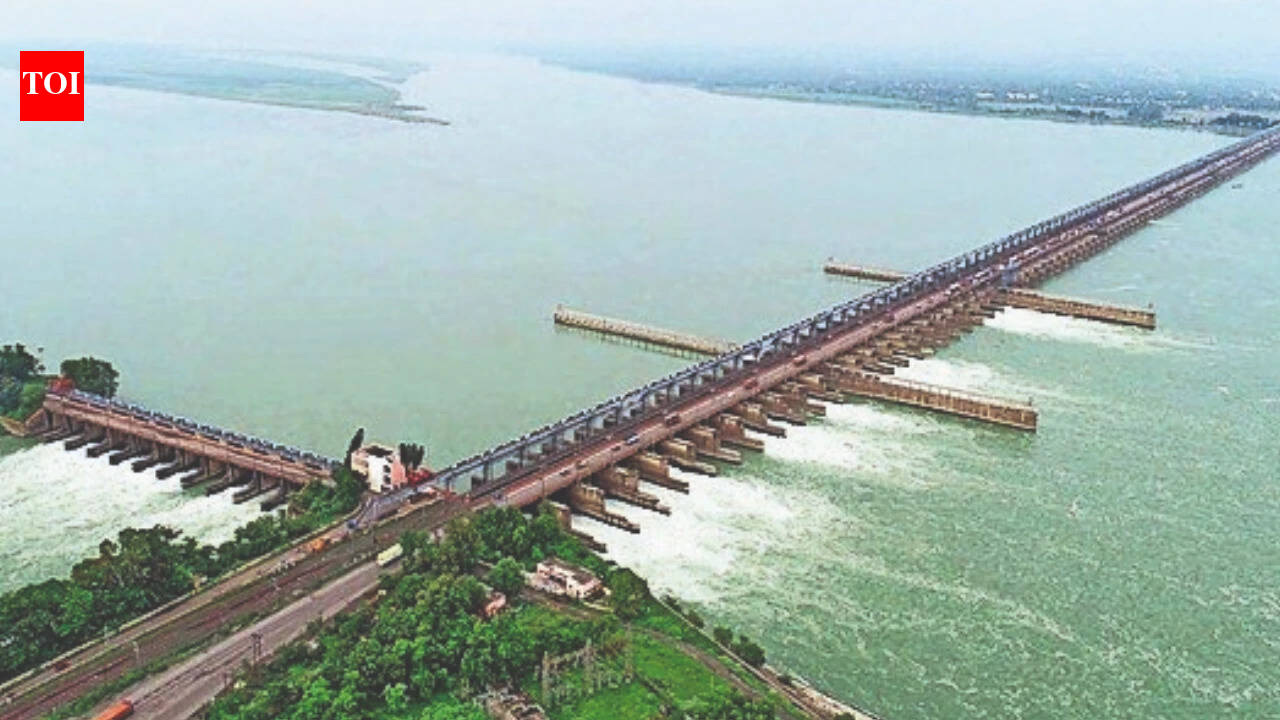
Bangladesh has signaled a willingness to renew the 1996 Ganga Water Sharing Treaty with India ahead of its December 12 expiry. While Dhaka previously sought a new agreement, it is now looking to New Delhi to initiate formal negotiations through established diplomatic channels.
The Impending Expiry of the 1996 Ganga Water Treaty
The upcoming expiration of the 1996 Ganga Water Sharing Treaty on December 12 marks a critical juncture in Indo-Bangladesh relations. For nearly three decades, this landmark agreement has served as the primary framework for managing the equitable distribution of water from the Ganga River, a lifeline for millions across both nations. As the date approaches, the diplomatic focus has shifted toward the necessity of renewal to ensure regional stability and agricultural continuity.
Shifting Diplomatic Positions
Recent reports indicate a strategic pivot in Bangladesh's stance. While the administration in Dhaka had previously advocated for an entirely new agreement, there is now a marked preference for formal negotiations to renew the existing treaty. This shift suggests a pragmatic approach, favoring the continuity of an established legal framework over the uncertainties of drafting a fresh accord from scratch. By signaling a willingness to engage, Bangladesh is inviting the Indian political leadership to take the lead in structuring the next phase of this bilateral cooperation.
The Role of the Joint Rivers Commission
India has consistently maintained that the Joint Rivers Commission (JRC) remains the appropriate institutional mechanism for addressing cross-boundary water issues. The JRC, established to facilitate technical and diplomatic dialogue, is viewed by New Delhi as the most effective platform to resolve the complexities surrounding the Ganga treaty. This preference for institutional procedure highlights India’s commitment to a rules-based approach, ensuring that any modifications to the treaty are handled within a long-standing, predictable framework.
Broader Geopolitical and Environmental Implications
Water diplomacy is a cornerstone of South Asian regional security. The Ganga is not merely a river but a vital resource for irrigation, energy, and human consumption. The expiry of the treaty brings to light the broader challenge of managing shared water resources in an era of climate change and shifting hydrological patterns. A successful renewal would not only secure water rights for both nations but also reinforce the spirit of cooperation that has defined recent bilateral engagements.
Historical Context and Future Outlook
Historically, the 1996 treaty was hailed as a milestone that resolved a long-standing dispute, providing a template for future water-sharing agreements. The upcoming negotiations offer an opportunity to modernize these arrangements, potentially incorporating new data on flow variability and addressing the concerns of downstream communities. As both nations look toward the December deadline, the focus will likely remain on balancing national interests with the imperative of regional harmony.
Conclusion
The path forward requires a delicate balance of technical assessment via the JRC and high-level political will. By moving toward formal renewal talks, both India and Bangladesh are signaling their commitment to maintaining a stable, predictable relationship. The successful extension of this treaty will serve as a testament to the endurance of bilateral diplomacy, ensuring that the Ganga continues to serve as a bridge rather than a point of contention between the two neighbors.