
The Illusion of the Plant-Based Peak
For years, the global conversation around sustainable protein centered on the 'meat substitute'—the plant-based patty designed to bleed and sizzle like beef. This was a necessary first step, a bridge for the consumer palate, but it was never the final destination. We are now witnessing a quiet but decisive pivot. The industry is moving away from simply mimicking the texture of meat using plants and toward the actual molecular manufacturing of proteins. This is the Protein Paradox: as the hype around plant-based alternatives plateaued, the real technological revolution moved into the bioreactor.
Why does this shift matter? Plant-based proteins often struggle with the 'functionality gap'—the difficulty in replicating the exact mouthfeel and nutritional profile of animal proteins without excessive processing. Precision fermentation solves this by using micro-organisms as cell factories. Instead of processing a pea or a soy bean, we program yeast or bacteria to produce the specific proteins, fats, or enzymes that make meat and dairy what they are. It is not about replacing the cow with a plant; it is about replacing the cow with a microbe.
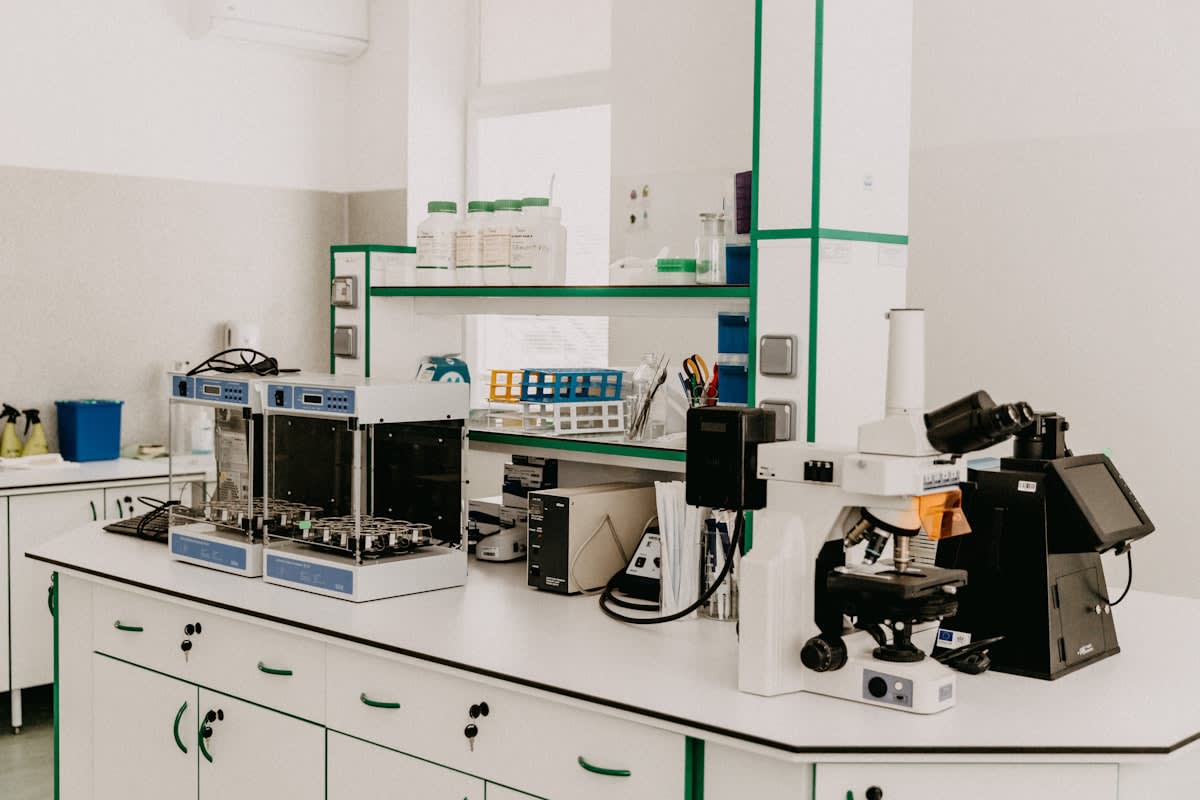
This is not a localized trend but a systemic global realignment. From the corridors of the UK government to industrial hubs in Germany, the focus has shifted toward resilience and scalability. The goal is no longer just to provide a vegan option in a supermarket, but to rebuild the entire protein supply chain to be less dependent on land and water. When we look at the investment patterns, the signal is clear: the future of food is being written in the language of industrial biotechnology.
The Industrialization of the Microbe
Infrastructure is the ultimate truth-teller in industry. While startups make headlines, the move by GEA to consolidate its Application and Technology Centre (ATC) for New Food and Biotechnology in Sarstedt, Germany, is the real story. By investing EUR 4 million into this facility, GEA is not just experimenting; they are building the plumbing for a new food system. This center allows companies to develop and test pilot-scale production processes for precision fermentation and cell cultivation, moving these technologies out of the lab and into the factory.
The Sarstedt site leverages decades of expertise in liquid dairy and beverages to solve the most pressing problem in the sector: scale. Precision fermentation works perfectly in a petri dish, but doing it at a scale that can feed millions requires sophisticated engineering. The focus on 'biomanufacturing applications' suggests that the industry is treating protein production as a chemical engineering challenge rather than a culinary one. This transition from 'cooking' to 'manufacturing' is where the real disruption lies.
"The focus is shifting toward pilot-scale production processes for precision fermentation and cell cultivation to bridge the gap between laboratory success and commercial viability."— Industrial Analysis of GEA Sarstedt Expansion
This industrialization is mirrored in the UK, where the Food Standards Agency (FSA) and Food Standards Scotland (FSS) have identified molecular farming and gas fermentation as key technologies for the next five to ten years. While biomass fermentation—exemplified by Quorn's long-standing use of fungus—has been around for decades, the next wave is more precise. Gas fermentation, for instance, allows microbes to turn carbon emissions into protein, effectively turning pollution into food. This is a systemic leap in efficiency that plant-based substitutes simply cannot match.
| Technology | Primary Mechanism | Example/Context | Strategic Value |
|---|---|---|---|
| Biomass Fermentation | Growth of whole micro-organisms | Quorn (UK) | Established, high-protein biomass |
| Precision Fermentation | Microbes as factories for specific molecules | GEA ATC (Germany) | Identical animal proteins without animals |
| Molecular Farming | Plants engineered to produce animal proteins | UK FSA Emerging Report | Scalable protein production via crops |
| Gas Fermentation | Microbes consuming CO2/gas | UK Government Innovation Report | Carbon sequestration and food production |
The convergence of these technologies suggests a diversified approach to protein. We are not moving toward a single 'silver bullet' solution but a portfolio of bio-industrial methods. By combining gas fermentation, molecular farming, and precision fermentation, the global food system can create a resilient web of protein sources that are independent of traditional livestock cycles and climate-driven crop failures.
The Demand Driver: A Calculated Retreat from Meat
Technological capability is irrelevant without market demand. The push toward these innovations is being fueled by a calculated shift in consumption patterns. A study published in Nature focusing on Scottish adults provides a glimpse into the future of dietary policy. The research evaluates pathways to meet the UK Climate Change Committee's recommendations, which call for a 20% reduction in meat and dairy consumption by 2030, scaling up to a 35% reduction in meat by 2050.
What is most striking about this data is that these reductions improve health and environmental outcomes without increasing diet costs. This debunks the myth that sustainable eating is a luxury for the wealthy. When red meat is replaced gram-for-gram with vegetables, beans, and plant-based dairy alternatives, the system becomes more efficient. This creates a massive vacuum in the market: if 35% of meat consumption disappears, where does the replacement protein come from?
The Market Gap
The goal is not just to reduce meat, but to replace it with high-functioning alternatives that don't compromise on nutrition or cost, driving the need for precision-engineered proteins.
This is where precision fermentation enters the frame. To achieve a 35% reduction in meat while maintaining nutritional outcomes, the world needs proteins that behave exactly like animal proteins in the body and in the kitchen. We cannot rely solely on beans and lentils to satisfy a global population's craving for the functionality of dairy and meat. The 'Protein Paradox' is solved when we realize that to save the animal, we must master the molecule.
The Broader Ecosystem: Smart Farming and Automation
It would be a mistake to view precision fermentation in isolation. It is part of a larger 'Smart Farming' revolution. The FAO's first Global Conference on Smart Farming emphasizes that scaling these innovations requires a combination of technical expertise, policy guidance, and investment. The transition to a bio-industrial food system is not just about the protein itself, but about the digital and mechanical infrastructure that supports it.
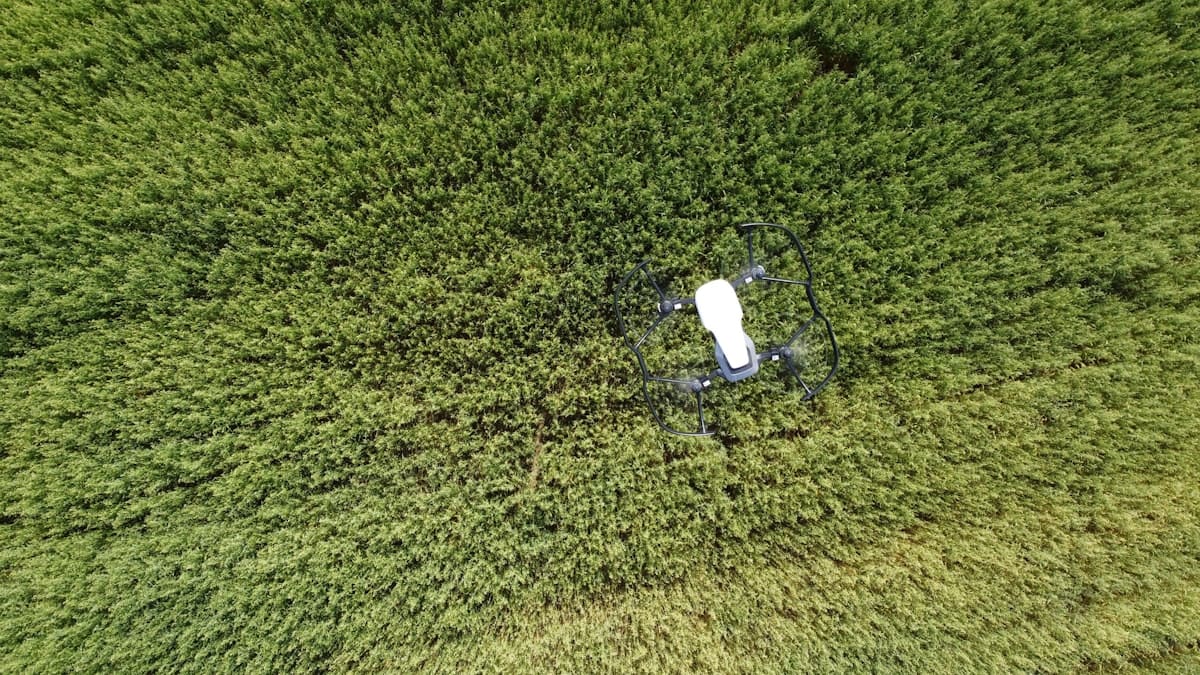
Look at the United States, where agricultural drones are moving from niche experiments to established operations. Driven by persistent labor shortages and rising costs, companies like VECTORAGR are using automation to increase precision in the field. While drones are currently used for crop application, the logic of precision—doing more with fewer resources—is the same logic driving precision fermentation. Whether it is a drone in an Iowa cornfield or a bioreactor in Lower Saxony, the goal is the same: the optimization of biological output.
When we connect the dots, we see a global strategy emerging. The FAO is bringing governments and the private sector together to scale smart farming; GEA is building the hardware for fermentation; and governments in the UK are mapping out the 10-year trajectory for molecular farming. This is a coordinated effort to decouple calorie production from the volatility of traditional agriculture.
Resilience Over Replacement
The narrative has shifted from 'crisis' to 'resilience.' We are no longer talking about the end of farming, but the evolution of it. By integrating edible insects, cultivated foods, and gas fermentation, as suggested by the UK's Top Emerging Food Innovations report, the food system becomes a diversified portfolio. If a drought hits the soy crops, the bioreactors still produce protein. If a livestock disease sweeps through a region, molecular farming provides a buffer.
This is the ultimate strategic advantage. The global food system is moving beyond the simplistic binary of 'meat vs. plant-based.' It is entering an era of biological design. The move toward precision fermentation is a move toward a system where we can dial in the exact nutritional and sensory profiles we need without the systemic waste of raising an entire animal for a few kilograms of muscle. The paradox is solved: we can have the protein we want without the footprint we can no longer afford.
As we look toward 2030 and 2050, the success of this transition will not be measured by how many people 'go vegan,' but by how seamlessly these precision proteins are integrated into the global supply chain. When a consumer in Singapore, London, or New York buys a product made via precision fermentation without even knowing it, the revolution will be complete. The quiet move beyond meat substitutes is not a failure of the plant-based movement, but its sophisticated evolution.