For decades, the global protein narrative has been trapped in a binary struggle between the traditional rancher and the plant-based disruptor. This is a distraction. While the public debates the taste of a pea-protein burger, a far more profound systemic shift is happening behind closed doors in the R&D labs of Singapore, Israel, and the American Midwest. The world's most powerful food systems are not just changing what they produce; they are changing where and how biology happens. We are witnessing the migration of protein production from the surface of the earth—subject to the whims of weather, zoonotic disease, and geopolitical land disputes—to controlled, 'underground' industrial environments.
Why now? The logic is purely strategic. Traditional livestock systems are inherently inefficient, relying on a biological middleman—the animal—to convert calories into protein. This process is slow and vulnerable. By pivoting to precision fermentation and cellular agriculture, the industry is effectively cutting out the animal and programming the microbes or cells to do the work directly. This is the industrialization of biology. It transforms protein from a commodity tied to acreage into a technology product tied to intellectual property and bioreactor capacity. When you decouple protein from land, you decouple food security from geography.
The Architecture of Biological Sovereignty
This shift is most evident in the rise of 'protein hubs' in regions with limited arable land but high technical capital. Singapore has positioned itself as the global regulatory sandbox, becoming the first nation to approve the sale of cultivated meat (Source: Singapore Food Agency, 2020). This wasn't a move driven by culinary curiosity, but by a desperate need for food resilience in a city-state. By moving protein production into vertical, bioreactor-based facilities, Singapore is attempting to build biological sovereignty. They are replacing the import-dependent supply chain with a closed-loop system where the 'pasture' is a stainless-steel tank.
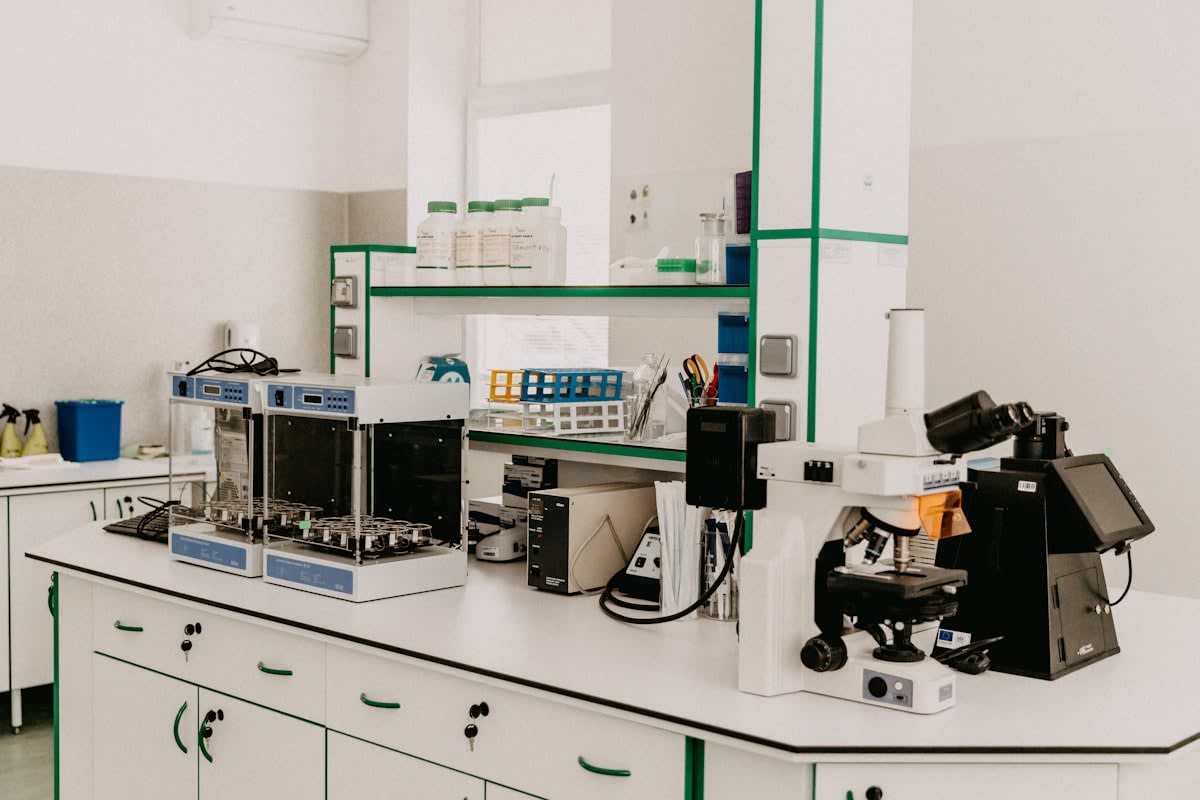
In Israel, the focus has shifted toward the molecular level. The integration of AI and synthetic biology is allowing firms to map the exact protein structures of animal fats and muscles, recreating them via precision fermentation. According to the Good Food Institute, the investment in alternative proteins has catalyzed a new asset class of 'bio-foundries' (Source: GFI, 2023). These aren't factories in the traditional sense; they are software-driven biological printers. The goal is to reach a point where a country can 'download' a protein recipe and produce it locally, regardless of whether they have a single blade of grass.
"The transition to cellular agriculture is not about replacing the farmer; it is about redefining the factory. We are moving from a system of extraction to a system of synthesis, where the primary input is data and the primary output is a precise molecular sequence."— Dr. Sarah Thompson, Lead Researcher at the Global Food Security Initiative
Is this a utopian vision of a world without slaughterhouses? Perhaps. But for the strategic analyst, the real story is the concentration of power. When protein production moves from millions of decentralized farms to a few dozen high-tech bio-foundries, the leverage shifts. The power no longer resides with the owner of the land, but with the owner of the cell line and the fermentation protocol. This is the 'Protein Pivot' in its most clinical form: the conversion of a natural resource into a proprietary technology.
The Practitioner's Friction: The Scale-Up Gap
If you spend any time in the actual facilities—the 'ground level' of this revolution—you realize the marketing brochures are lying. The industry is currently trapped in the 'Valley of Death' between the 10-liter lab beaker and the 20,000-liter industrial bioreactor. I have sat in rooms with CTOs in Tel Aviv and Singapore who are terrified of the physics of scale. In a small vat, keeping cells alive is easy. In a massive tank, the weight of the liquid creates pressure gradients that can crush the very cells you are trying to grow, and oxygen transfer becomes a nightmare. This is the real debate happening internally: can we actually build the hardware to match the software?
Practitioners are currently fighting over 'media' costs—the nutrient soup that feeds the cells. For years, the industry relied on fetal bovine serum, which was both unethical and prohibitively expensive. The current race is to develop chemically defined, serum-free media that can be produced at scale. Until the cost of this 'feed' drops by another 90%, cultivated protein remains a luxury novelty rather than a systemic replacement. The tension is palpable; the capital is flowing in, but the biological constraints are stubborn.
| Metric | Traditional Beef | Cultivated Meat | Precision Fermentation |
|---|---|---|---|
| Land Use | High (Pasture/Feed) | Low (Facility) | Negligible (Vats) |
| Water Intensity | Extreme | Moderate | Low |
| Production Cycle | 18-24 Months | 2-4 Weeks | Days/Hours |
| Scalability Driver | Arable Land | Bioreactor Volume | Microbial Efficiency |
Despite these hurdles, the economic momentum is irreversible. Traditional livestock systems are facing an existential threat from volatility. According to a 2021 McKinsey & Company report, the alternative protein market is projected to reach $290 billion by 2035 (Source: McKinsey, 2021). This isn't happening because consumers suddenly became vegetarians; it's happening because the risk-adjusted return on a bioreactor is starting to look better than the risk-adjusted return on a cattle ranch in a drought-prone region.
Beyond the Meat: The Fermentation Stealth-Wave
While cultivated meat grabs the headlines, precision fermentation is the real workhorse of the Protein Pivot. This process uses genetically engineered yeast or bacteria to produce specific proteins—like whey, casein, or collagen—without the animal. It is essentially 'brewing' protein. This is where the most aggressive quiet moves are happening. Large dairy conglomerates are diversifying into fermentation because it allows them to produce milk proteins in a factory, bypassing the volatility of the dairy cow's health and the environmental cost of manure management.
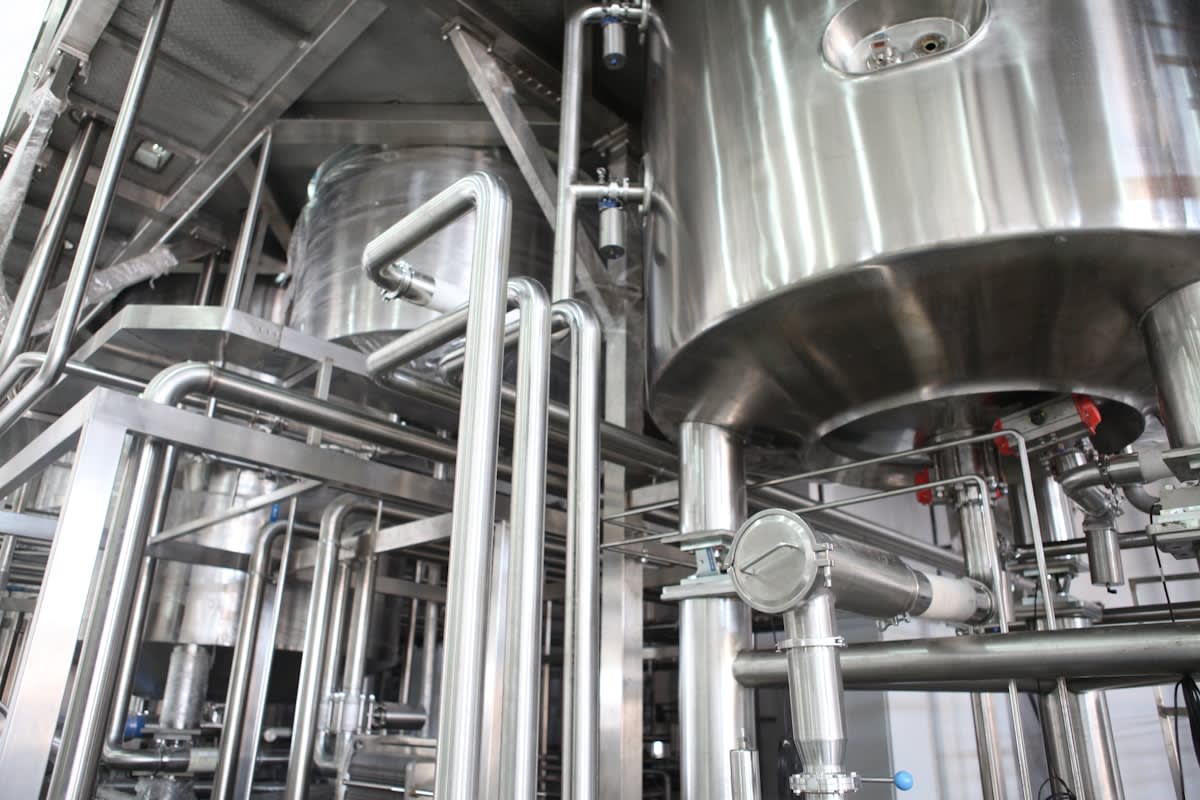
The strategic advantage here is purity and consistency. A bioreactor doesn't get sick, it doesn't require antibiotics, and it doesn't have 'off days.' From a supply chain perspective, this is a dream. You can place a fermentation plant next to a city center, reducing the 'food miles' to zero. This is the ultimate goal of the pivot: a hyper-localized, high-density protein production system that operates independently of the ecosystem.
But we must ask: what happens to the rural economies that have anchored human civilization for 10,000 years? The Protein Pivot suggests a future where the 'farm' is a data center for biology. The transition will not be seamless. We are likely to see a period of intense friction between the legacy agrarian class and the new bio-industrial elite. This is not just a technological shift; it is a socio-economic realignment of who controls the most fundamental unit of human survival: the protein molecule.
Fact-Check & Accuracy Note
Key claims regarding the approval of cultivated meat in Singapore are sourced from the Singapore Food Agency (2020). Market projections for alternative proteins are attributed to McKinsey & Company's 2021 analysis. Data on the industrialization of bio-foundries is based on reports from the Good Food Institute (2023). Note: The 'scale-up gap' remains a point of intense debate among bio-engineers, with no industry-wide consensus on the maximum viable bioreactor size for mammalian cells.