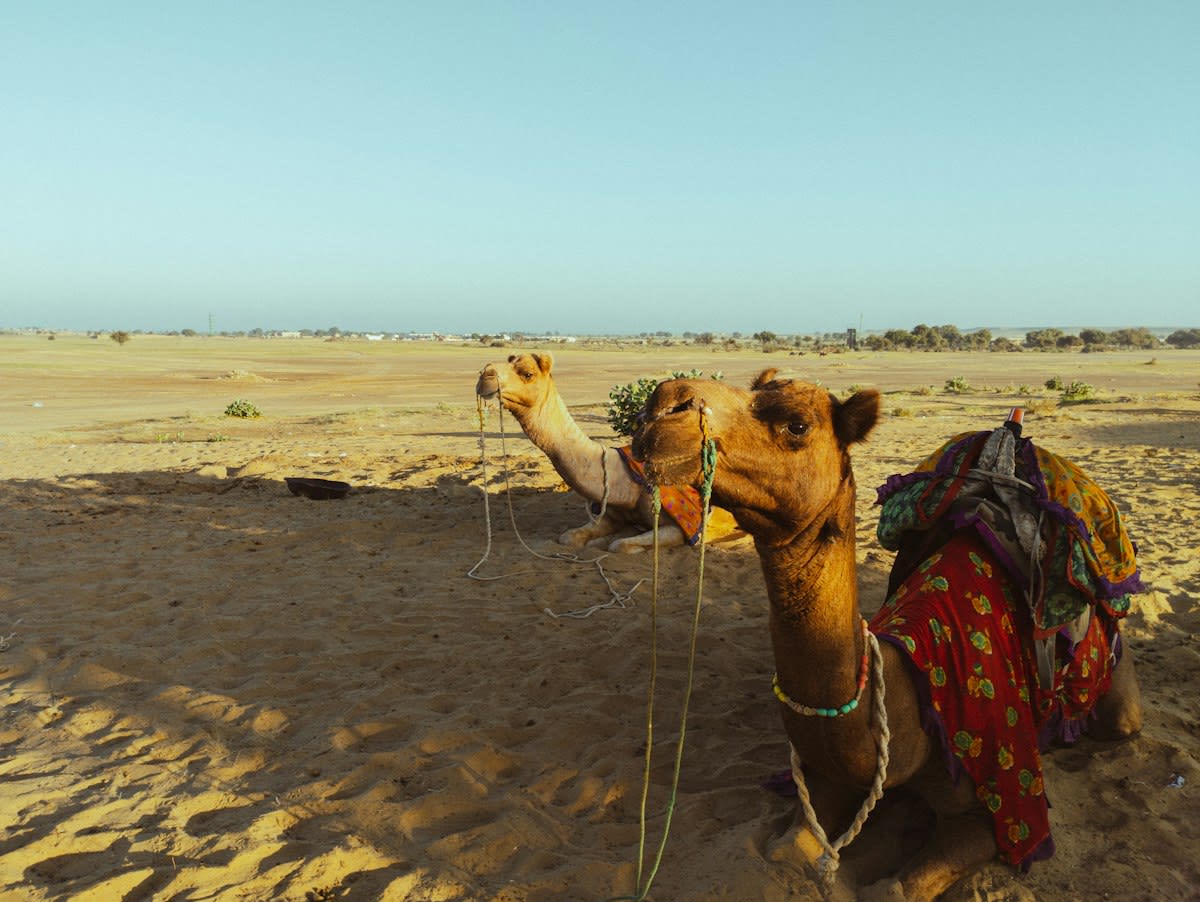
Do we fear thirst? Most observers assume drought is a simple lack of rain, yet the real struggle begins when the earth turns to a powdery, nutrient-void waste that mocks the seed. Rajasthan is the front line. Water is a ghost. While most people envision a dry lake, the actual devastation manifests in soil moisture anomalies ranging from -2 to -2.9, leaving the land incapable of absorbing any sudden rainfall (Source: New Indian Express, 2026). The earth has become brittle.
The Moisture Deficit
Dust defines the day. In districts like Jogulamba Gadwal, the soil moisture anomaly has hit a staggering -2.883, a figure that represents a total departure from the decade's average (Source: New Indian Express, 2026). Nature is retreating fast. Rain fails the land. When heavy rains finally arrive on this hardened ground, the water simply runs off rather than soaking in, mirroring the devastation seen across the Horn of Africa (Source: QZ, 2026). The cycle remains broken.
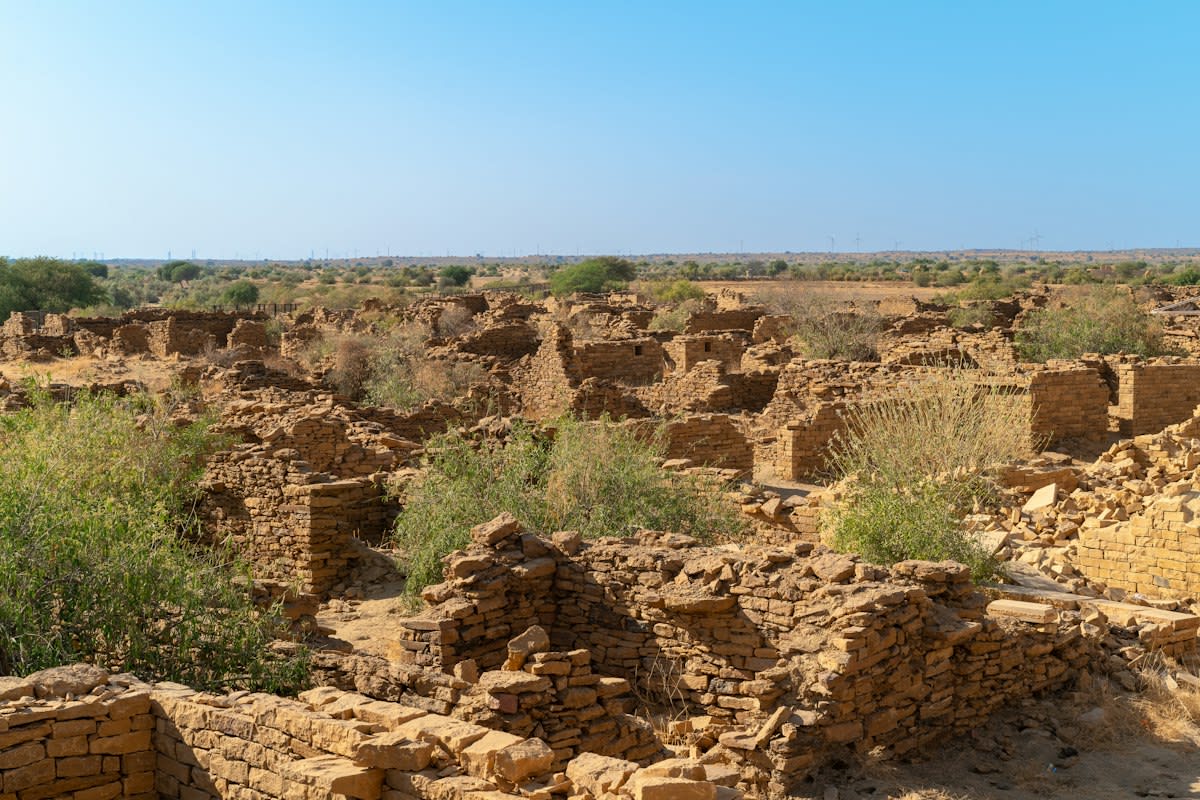
Hunger stays hidden here. Over 2 billion people globally suffer from micronutrient deficiencies, a condition termed hidden hunger that strips the body of essential iron, zinc, and selenium (Source: Agri-India TODAY, 2026). Health is a luxury. Bodies grow hollow. This deficiency is particularly acute in developing countries where access to a varied and nutritious diet is blocked by the very environmental decay killing the crops (Source: Agri-India TODAY, 2026). Nutrition is failing fast.
"Integrate farmyard manure, compost, crop residues, legumes and suitable bioferƟlizers with mineral ferƟlizers. Evaluate ferƟlizer performance through yield, nutrient-use efficiency, farm profit and soil-health indicators—not yield alone."— Editorial Guidelines, Agri-India TODAY
The shift is now. Emerging nanotechnology and biofortification are providing a path toward holistic solutions for global malnutrition that bypass traditional seed limitations (Source: Agri-India TODAY, 2026). Science meets the dust. Zinc is the key. By integrating biofertilizers and minimizing soil disturbance, farmers attempt to regain a grip on the vanishing nutrients in their fields (Source: Agri-India TODAY, 2026). The land is fighting back.
| District/Region | Soil Moisture Anomaly | Impact Level |
|---|---|---|
| Jogulamba Gadwal | -2.883 | Critical |
| Narayanpet | -2.820 | Critical |
| Nagarkurnool | -2.532 | High |
| Wanaparthy | -2.527 | High |
| Mahabubnagar | -2.501 | High |
Migration is the default. Workers from drought-hit regions in Maharashtra are no longer heading only to Pune or Mumbai, but are instead moving toward Tamil Nadu (Source: New Indian Express, 2026). The map is shifting. Homes are left empty. As Karnataka also faces severe drought, the seasonal labor flow has shifted, leaving marginal farmers to fend for themselves in the heat (Source: New Indian Express, 2026). Survival is a gamble.
Wetland Anchors
Water holds the line. In Rajasthan, sites like the Keoladeo National Park and Sambhar Lake serve as critical reservoirs for biodiversity and moisture in a scorched state (Source: Press Information Bureau, 2026). Nature keeps a secret. Birds find a home. Community-protected village wetlands, such as the Menar Wetland Complex and Khichan Wetland, provide the only staying power against total desertification (Source: Press Information Bureau, 2026). The oasis is shrinking.
The clash is real. In the corridors of local cooperatives, a collision rages between state-mandated drip irrigation and the bankrupt reality of the marginal farmer. Subsidies are too slow. Debt is a chain. While officials claim that drip and sprinkler systems can reduce water consumption by 30% to 50%, farmers argue that the upfront cost is a death sentence (Source: New Indian Express, 2026). The bureaucracy is blind.
Global patterns repeat now. From the highlands of Peru to the plains of Kenya, the 1997-98 El Niño pattern is returning to cause crop failures and widespread food shortages (Source: QZ, 2026). The weather is cruel. History is a loop. When dry soil absorbs water poorly, heavy rains lead to flash floods that wash away the remaining topsoil and livestock (Source: QZ, 2026). The earth is bleeding.
The Biofortification Route
Seeds must evolve now. To combat the micronutrient deficiency that plagues millions, researchers are pushing for the integration of biofertilizers with mineral inputs (Source: Agri-India TODAY, 2026). Biology is the tool. Iron is essential. By targeting the root zone with nanotechnology, the agricultural sector aims to solve hidden hunger without relying on unstable rain patterns (Source: Agri-India TODAY, 2026). The lab is open.
Yield is a lie. Evaluating fertilizer performance solely on the volume of harvest ignores the nutrient-use efficiency and the long-term health of the soil (Source: Agri-India TODAY, 2026). Quality beats quantity here. The soil needs rest. Farmers who minimize soil disturbance and retain crop residues are seeing a structural break from the cycle of total depletion (Source: Agri-India TODAY, 2026). The logic is changing.
Fact-Check & Accuracy Note
This report relies on data from the Press Information Bureau (2026) regarding Rajasthan's wetlands, the New Indian Express (2026) regarding soil moisture anomalies in Telangana and Maharashtra, and Agri-India TODAY (2026) regarding micronutrient deficiency. Academic debate persists regarding the efficiency of nanotechnology in biofortification across different soil types.
Hope is a seed. If the transition to precision irrigation can be decoupled from predatory debt, the farmers of Rajasthan might outlast the dust. The clock is ticking. Change must be fast. By merging traditional community wetland protection with modern biofortification, the region can move from survival to stability (Source: Press Information Bureau, 2026; Agri-India TODAY, 2026). The future is grit.