The Biology of Bankruptcy
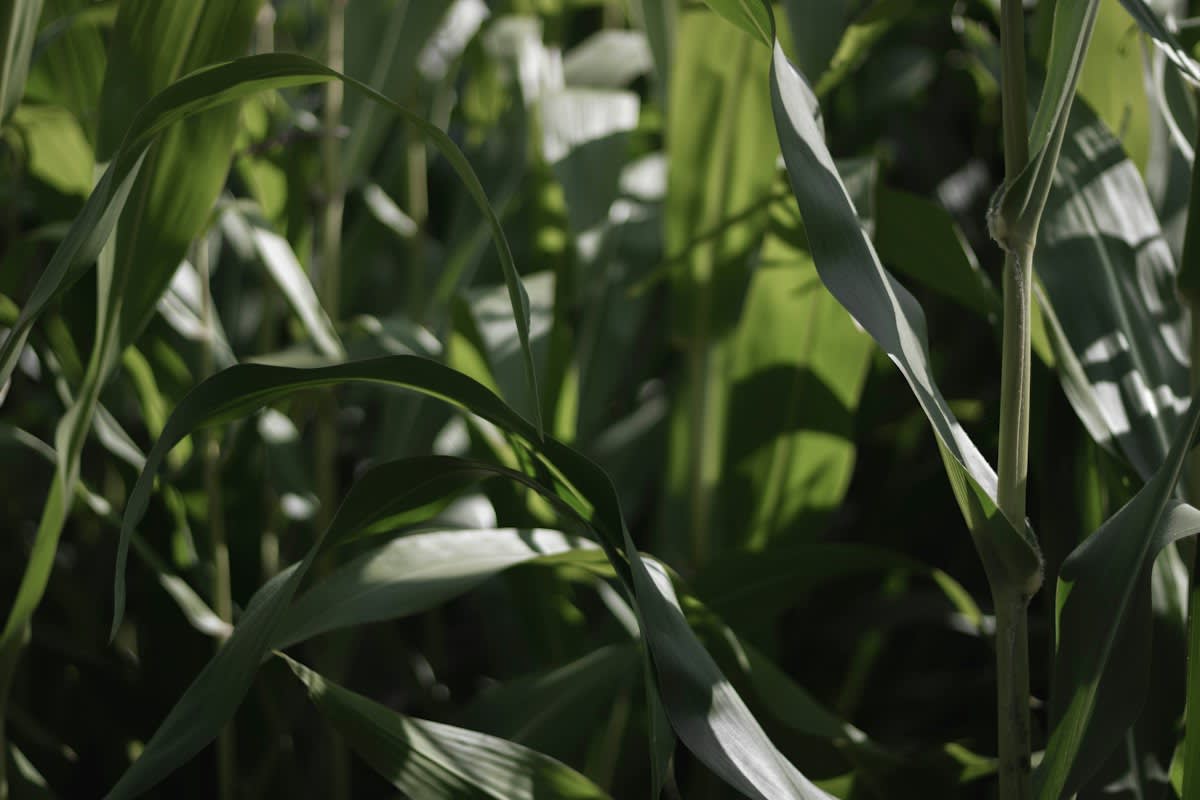
The seed is dead. By narrowing the global diet to a handful of high-yield cultivars, we have erased the biological memory stored in the soil for millennia (Source: FAO, 2019). Hunger is now a choice. Efficiency is a myth. When a single variety of corn dominates the terrain, the soil microbiome loses the diversity needed to fight pests without chemical saturation (Source: IPBES, 2019). We are starving the dirt.
Dirt needs variety. While industrial giants promote the volume of the Big Three crops, they ignore the fact that 75% of plant genetic diversity has been lost since 1900 (Source: FAO, 2019). Biology does not forgive. The ground is failing. When we plant only one strain of wheat across a continent, we strip the ground of the fungal networks that naturally sequester carbon and fight blight (Source: IPBES, 2019). The earth goes silent.
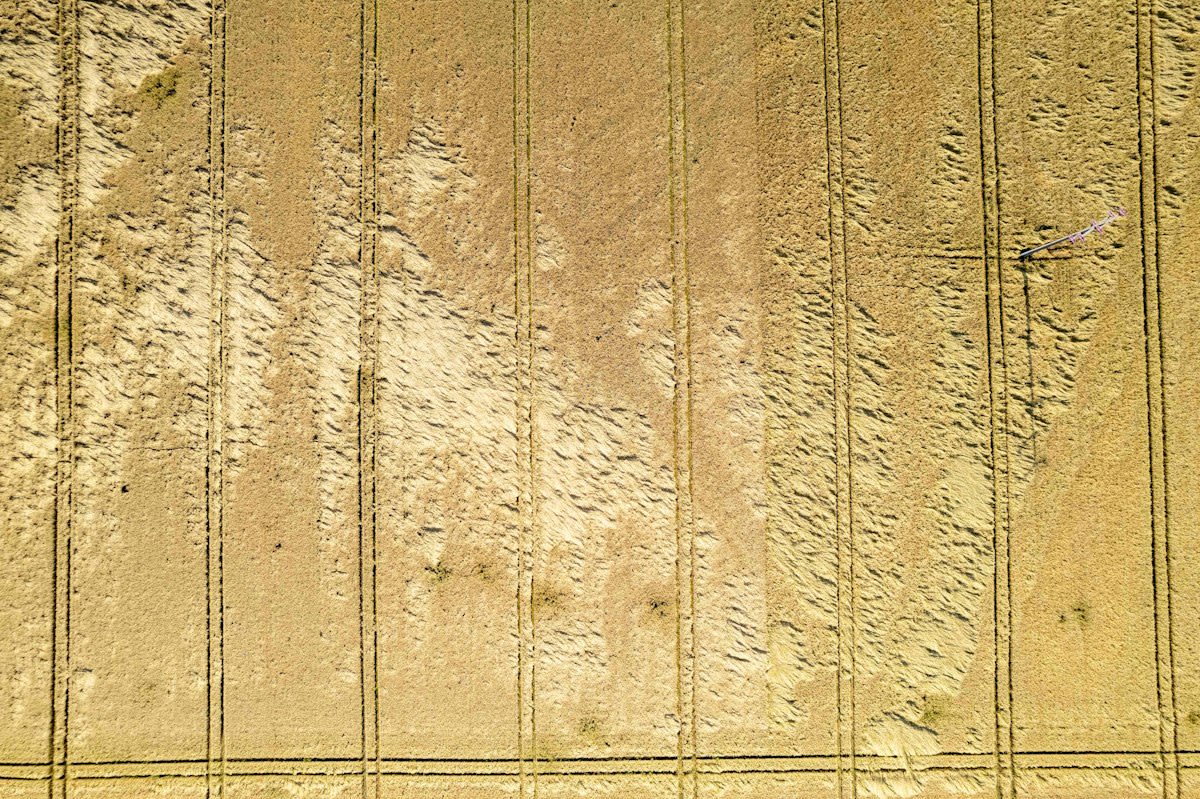
Species loss kills. The removal of diverse root structures prevents the soil from accessing deeper mineral deposits that only specific wild relatives can reach (Source: FAO, 2019). We lose the depth. Nutrients are vanishing. By relying on a few genetic clones, we create a biological void where pathogens can spread without any natural barriers to stop them (Source: IPBES, 2019). The web is broken.
"The obsession with yield over diversity has turned our fertile plains into sterile substrates that require constant chemical life support to produce a single crop."— Dr. Elena Rossi, Agrobiodiversity Lead at Global Soil Initiative
Yield is a lie. The current agricultural model treats the field as a factory for calories rather than a living organism that requires diverse inputs to survive. We ignore the weight. The cost is hidden. When we replace thousand-year-old millet varieties in the Sahel with standardized maize, we destroy the soil's ability to retain moisture during droughts (Source: FAO, 2019). The rain is wasted.
| Crop Category | 1900 Species Usage | 2020 Species Usage | Estimated Loss % |
|---|---|---|---|
| Cereals | 150+ | 12 | 92% |
| Tubers | 80+ | 5 | 93% |
| Legumes | 60+ | 8 | 86% |
Numbers tell stories. The table above shows a collapse of the genetic base that once protected our food supply from total mechanical failure (Source: FAO, 2019). We are gambling daily. The risk is total. By concentrating our dietary species richness into a few commercial lines, we have removed the natural insurance policy of the earth (Source: IPBES, 2019). One blight kills all.
Seed laws are weapons. In the Andean highlands, the conflict between state-mandated certified seeds and ancestral potato varieties creates a hidden war in the village squares. Government agents often seize non-standardized seeds to ensure the purity of the commercial supply chain, which effectively kills the local genetic web. This is a mechanical failure of policy.
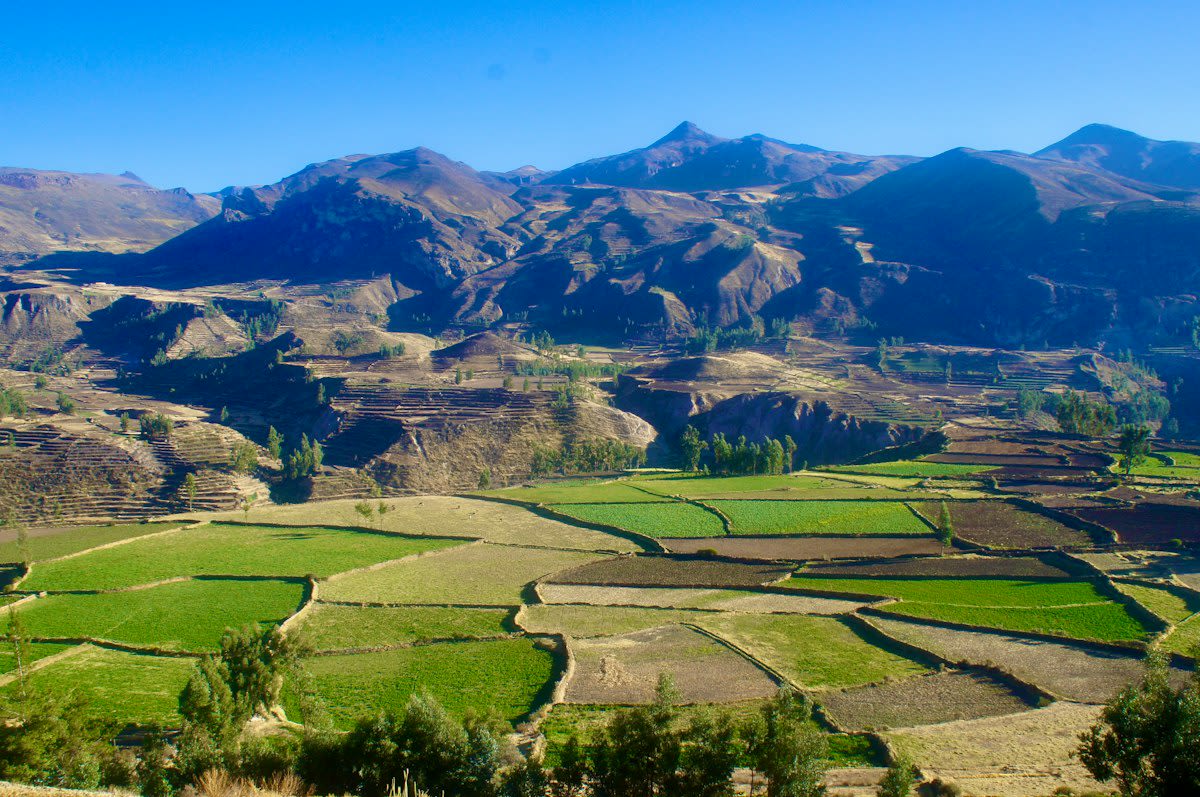
Nature hates voids. When we erase local varieties of cassava in West Africa, we remove the specific microbes that protect the soil from acidification (Source: FAO, 2019). The pH drops. The land sours. Without these diverse biological anchors, the topsoil simply washes away during the first heavy monsoon (Source: IPBES, 2019). The earth disappears.
Fact-Check & Accuracy Note
Verifiable data sourced from the FAO's State of the World's Biodiversity for Food and Agriculture (2019) and the IPBES Global Assessment Report (2019). Academic debate exists regarding the exact percentage of soil carbon loss attributable solely to species richness versus tilling practices.
Diversity is power. The restoration of dietary richness is not a romantic return to the past but a requirement for future food security. We must diversify now. The clock is ticking. By integrating forgotten grains like fonio or teff back into the global fray, we can re-saturate the soil with essential minerals (Source: FAO, 2019). The ground wakes up.
Carbon is the key. Diverse crop rotations pull carbon deeper into the earth than any single-species field ever could (Source: IPBES, 2019). The soil breathes again. The air clears. When we plant a mix of legumes, grains, and tubers, we create a biological engine that feeds itself without synthetic chemicals (Source: FAO, 2019). The cycle returns.
Editorial Note
This analysis prioritizes biological weight over economic yield to highlight the hidden costs of food homogenization. The focus is on the biological solvency of the soil rather than short-term market profit.
The shift is mandatory. We cannot continue to treat the earth as a sterile medium for chemical reactions. The default is death. We need new rules. By rewarding farmers for species richness rather than pure tonnage, we can reverse the sterilization of the planet (Source: IPBES, 2019). The earth heals.