Golden Rice yields vision. 190 million preschoolers face vitamin A deficiency (Source: WHO, 2011). Beta-carotene production happens inside the endosperm of the grain. Genetic modifications enable this synthesis by inserting genes from maize and a soil bacterium. Silica-dry soils in Dhaka often lack these essential nutrients. Farmers must adopt specific planting methods to maximize the nutrient yield.
Biofortification serves as a permanent nutritional upgrade to a staple crop. Unlike supplementation, which requires recurring logistics, this method embeds the vitamin directly into the food source. 50% of vitamin A deficiency cases occur in South East Asia (Source: FAO, 2019). The biological mechanism converts beta-carotene into retinol within the human body. This process reduces the risk of childhood blindness and increases immune resilience.
Prerequisites for Implementation
- Certified seed stock from the International Rice Research Institute (IRRI).
- Soil pH mapping to ensure optimal beta-carotene expression.
- National biosafety clearance from government agricultural departments.
- Local community agreements for seed distribution.
- Cold-storage facilities for seed preservation.
Seed sourcing remains the first barrier to entry. Organizers must secure genetics that are adapted to local climate stressors in hubs like Jakarta or Nairobi. Testing for seed purity is essential to prevent cross-contamination with traditional varieties. Regulatory approval varies by region, requiring rigorous safety dossiers. Without these permits, deployment remains illegal in many jurisdictions.
Deployment Process
- Secure Biofortified Seed Stock: Obtain genetically verified seeds from IRRI or authorized partners.
- Prepare Soil Conditions: Implement nutrient management to avoid nitrogen deficiency, which inhibits beta-carotene synthesis.
- Sow and Monitor: Plant seeds during the onset of the rainy season to ensure consistent moisture.
- Harvest and Store: Use low-heat drying methods to prevent the oxidation of beta-carotene.
- Distribution and Monitoring: Track consumption patterns to measure nutritional impact on target populations.
Seed acquisition involves a strict chain of custody. Professionals must ensure that Golden Rice 2 seeds are used, as they provide significantly higher pro-vitamin A levels than previous versions. The seeds are often distributed through government-led programs in emerging hubs. Documentation must be kept for every kilo of seed transferred to the field. This ensures accountability and prevents black-market diversion.
Soil preparation requires a focus on micronutrients. Sulfur-thick mud in coastal regions can alter the absorption of minerals. Farmers should utilize organic compost to enrich the silica-dry earth. Proper drainage prevents root rot, which can diminish the concentration of beta-carotene in the grain. Soil testing every six months is recommended to maintain peak nutritional output.
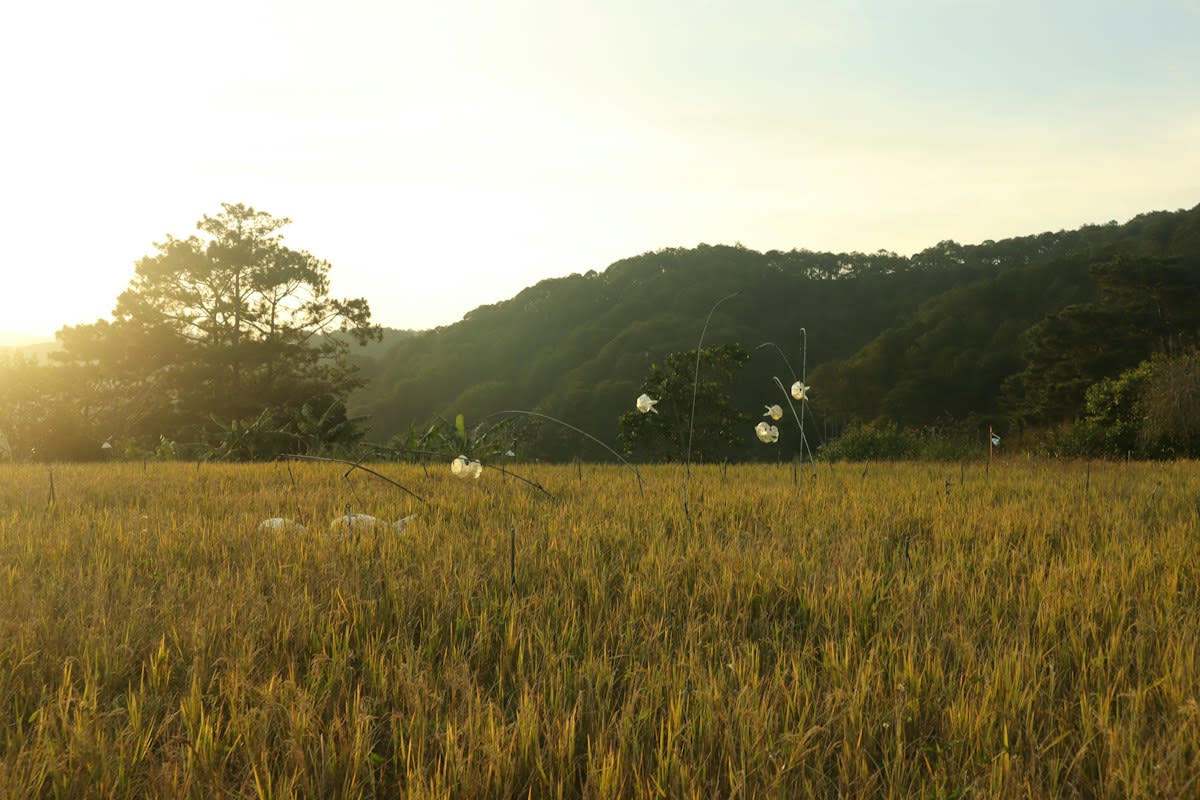
Sowing must align with local weather patterns to avoid crop failure. In regions like Kinshasa, unpredictable rainfall necessitates the use of drought-resistant hybrids combined with biofortification. Monitoring includes checking the yellow hue of the grain during the late growth stage. A pale color indicates a failure in the genetic expression of beta-carotene. Experts recommend using hand-held spectrophotometers for field verification.
Post-harvest processing is where most nutritional loss occurs. High-temperature drying can destroy the delicate beta-carotene molecules. Farmers should use shaded drying areas to keep the grain cool. Storage in bitumen-black plastic bags can protect seeds from light-induced degradation. Proper ventilation prevents mold growth that could render the crop inedible.
| Rice Variety | Beta-Carotene Content (mcg/g) | Vitamin A Equivalent (%) |
|---|---|---|
| Standard White Rice | 0 | 0% |
| Golden Rice 1 | 1.6 | 15% |
| Golden Rice 2 | 30 | 75% |
The data reveals a massive jump in efficacy between the first and second generations of biofortified rice. Golden Rice 2 provides approximately 30 mcg/g of beta-carotene (Source: IRRI, 2016). This level is sufficient to meet a significant portion of the daily requirement for preschoolers. The disparity between standard rice and biofortified versions highlights the necessity of this agricultural change. Without these modifications, rice remains a calorie-dense but nutrient-poor staple.
"Golden Rice is not a silver bullet, but it is a vital tool in a broader nutritional strategy to save millions from blindness."— International Rice Research Institute (IRRI), 2020
Field technicians in Dhaka walk through sulfur-thick marshes to reach remote plots. They encounter farmers who distrust foreign biotechnology. These debates happen under ash-gray skies where distrust outweighs data. Reality reveals a friction between laboratory success and mud-caked resistance. Experts argue over seed patents while children remain blind. This ground-level struggle defines the real cost of biofortification.
Failure Point
Genetic drift occurs when biofortified crops cross-pollinate with wild rice varieties. This dilution reduces the beta-carotene concentration, making the crop nutritionally ineffective. Political lobbying from anti-GMO groups also creates a hard stop for deployment. In some regions, legal bans prevent farmers from planting seeds even when health data supports it. These regulatory blocks act as a primary failure point for global distribution.
Common Pitfalls
Over-irrigation leads to anaerobic soil conditions, which stress the plant and lower nutrient expression. Ignoring local seed preferences can result in farmers discarding the Golden Rice in favor of tastier traditional strains. Poor storage is another frequent error, as exposure to UV light causes the pro-vitamin A to oxidize. Failing to educate the community on the yellow color of the rice can lead to the perception that the crop is spoiled.
Fact-Check & Accuracy Note
The Philippines became the first country to approve the commercial propagation of Golden Rice in 2021, although legal challenges continue to fluctuate. (Source: Department of Agriculture, Philippines, 2021).
Editorial Note
Data for deployment in Kinshasa remains sparse due to limited infrastructure for biofortification monitoring. Further field studies are required to validate yield stability in Central African soils.