‘No place to breathe’: AISA’s Neha Bora detained again, alleges police brutality
Source Entity
VIVEK DUBEY
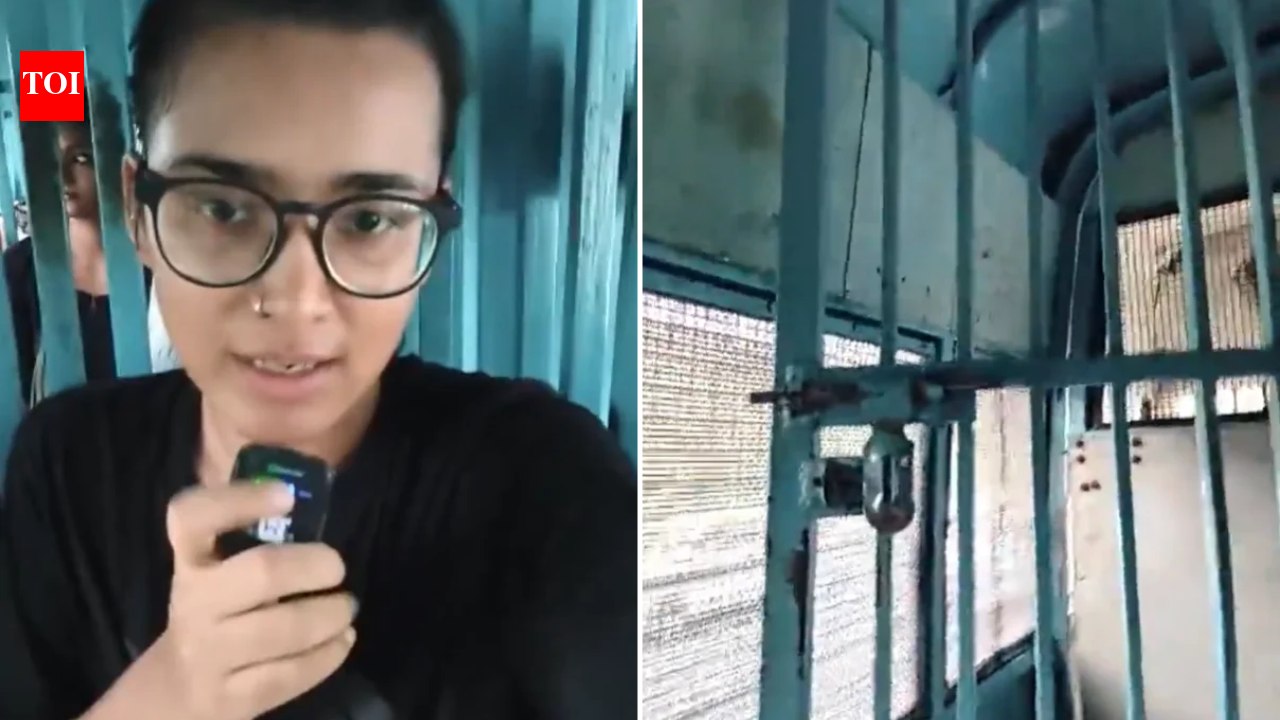
Authorities in Gautam Budh Nagar and Delhi have implemented strict security measures, including Section 163 of the BNSS and mass detentions, to preempt a protest by the Cockroach Janta Party. Over 35,000 security personnel are deployed to manage potential unrest and maintain public order.
Security Clampdown in NCR Ahead of CJP Protest
In a strategic move to maintain law and order, the Gautam Budh Nagar police have imposed a series of preventive restrictions effective until October 20. These measures, enacted under Section 163 of the Bharatiya Nagarik Suraksha Sanhita (BNSS), 2023, follow heightened tensions surrounding a protest organized by the Cockroach Janta Party (CJP). The administration’s primary concern centers on the potential for anti-social elements to exploit the gathering, necessitating a ban on unauthorized processions and large public assemblies.
The Scope of Restrictions
The prohibitory order explicitly bans the gathering of five or more people in public spaces, including roads and intersections, without prior authorization from senior police officials. Beyond assembly limits, the authorities have implemented strict controls on the storage of materials that could be used for violence, such as bricks, stones, and flammable substances. The prohibition of effigy burning serves as a specific tactical measure to prevent the escalation of demonstrations into chaotic or destructive events.
Delhi’s Multi-Layered Security Strategy
Simultaneously, the national capital has braced for the impact of the CJP-led protest at Jantar Mantar. Delhi Police have mobilized a massive force of 35,000 personnel to oversee the security landscape. This deployment is part of a comprehensive plan that includes the strategic use of road blockades and potential preventive detentions. Authorities have also signaled that city-wide operations, including the suspension of certain metro services and market activity, may be necessary to ensure public safety.
Preventive Detentions and Intelligence Operations
In the lead-up to the event, Delhi Police conducted widespread overnight operations across 15 districts, resulting in the detention of at least 100 individuals with existing criminal records. Intelligence reports suggested that these individuals were suspected of intending to join the Jantar Mantar protest. This proactive approach underscores the police's intent to neutralize potential agitators before they reach the protest site, citing concerns over public order and the alleged non-compliance of the protest organizers with previous permit conditions.
The Election Commission Row Context
At the heart of this confrontation lies a simmering political dispute involving the Cockroach Janta Party and the Election Commission, specifically targeting CEC Gyanesh Kumar. The denial of permission for the Jantar Mantar demonstration, as confirmed by Joint Commissioner of Police Nupur Prasad, highlights the friction between the right to protest and the state's duty to manage public safety. The late-minute nature of the application for protest permits further complicated the decision-making process for law enforcement.
Future Implications for Public Order
The ongoing situation reflects a broader trend of tightening security protocols in the National Capital Region (NCR) whenever political dissent reaches a critical threshold. As authorities prioritize the containment of potential civil unrest, the reliance on preventive detention and Section 163 orders is becoming a standard operational procedure. Moving forward, the balance between democratic expression and the maintenance of public stability remains a core challenge for local administrations in both Noida and Delhi.
Multiple Citing Sources