Tiranga on her back, she holds on to the bus
Source Entity
Mishal Mussaddique
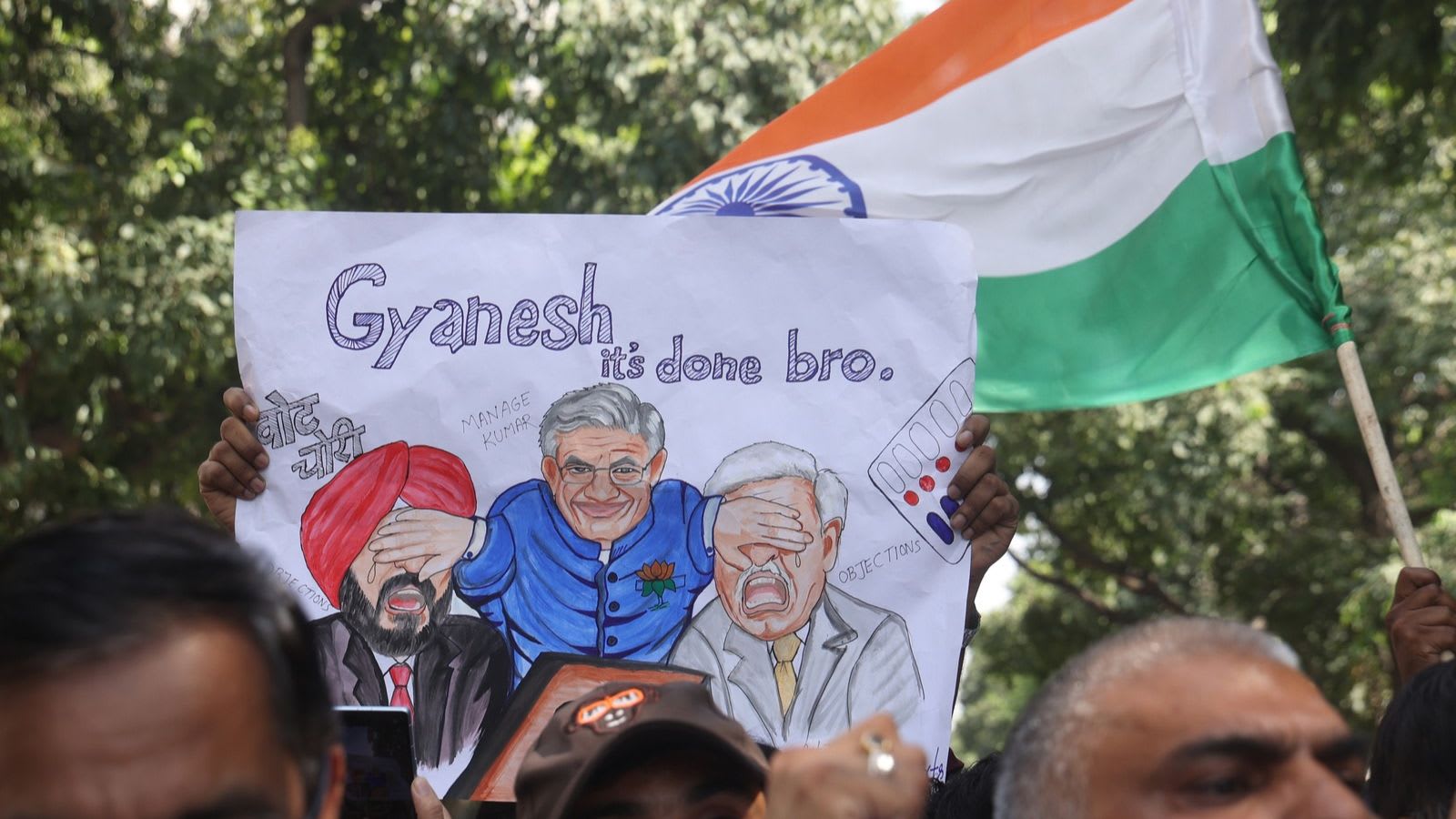
Authorities in Gautam Budh Nagar and Delhi have implemented strict security measures, including Section 163 of the BNSS, ahead of a planned Cockroach Janta Party (CJP) protest. Police have deployed 35,000 personnel and detained over 100 individuals with criminal records to maintain public order.
Security Clampdown Ahead of CJP Protest
In anticipation of a major demonstration organized by the Cockroach Janta Party (CJP) at Jantar Mantar, authorities in both Delhi and the neighboring Gautam Budh Nagar district have implemented extensive security protocols. The administration has cited the potential for civil unrest and the influence of anti-social elements as primary drivers for these measures, which are designed to prevent the escalation of protests into broader public disorder.
Legislative Framework and Restrictions
Under the provisions of Section 163 of the Bharatiya Nagarik Suraksha Sanhita (BNSS), 2023, the Gautam Budh Nagar police have enforced an 11-day restriction period beginning October 10. These measures include a ban on unauthorized public gatherings of five or more people in public spaces and on roads. Furthermore, the authorities have explicitly prohibited the storage of potential projectiles such as bricks and stones, as well as inflammable materials, in open areas, aiming to mitigate the risk of violence during the protest period.
Strategic Deployment in the Capital
Delhi Police have initiated a massive security operation, deploying approximately 35,000 personnel to secure the national capital. This comprehensive plan includes the establishment of road blockades and the implementation of restrictive movement protocols across various districts. The scale of the deployment underscores the gravity with which the administration views the upcoming demonstration, particularly given the ongoing controversy surrounding the Election Commission and Election Commissioner Gyanesh Kumar.
Preventive Measures and Targeted Detentions
In a move to neutralize potential disruption, Delhi Police conducted overnight operations across 15 districts, resulting in the detention of at least 100 individuals identified as having prior criminal records. Sources indicate these individuals were suspected of planning to join the CJP-led protest. These pre-emptive arrests reflect a strategy of isolating volatile elements before they can coalesce at the protest site, following the denial of official permission for the Jantar Mantar event due to alleged non-compliance with previous protest conditions.
Broader Implications and Future Trends
These events highlight the increasing tension between political advocacy groups and the state apparatus regarding the right to protest in urban centers. The reliance on Section 163 BNSS and the scale of the police response suggest a trend toward more rigid management of public demonstrations. As the country approaches sensitive political milestones, the use of preventive detention and localized lockdowns is likely to remain a favored tactical tool for law enforcement to maintain the status quo and ensure the continuity of essential city services, such as public transport and market operations.
Multiple Citing Sources