How to plan for a protest: The Delhi police had other options
Source Entity
Yashovardhan Jha Azad
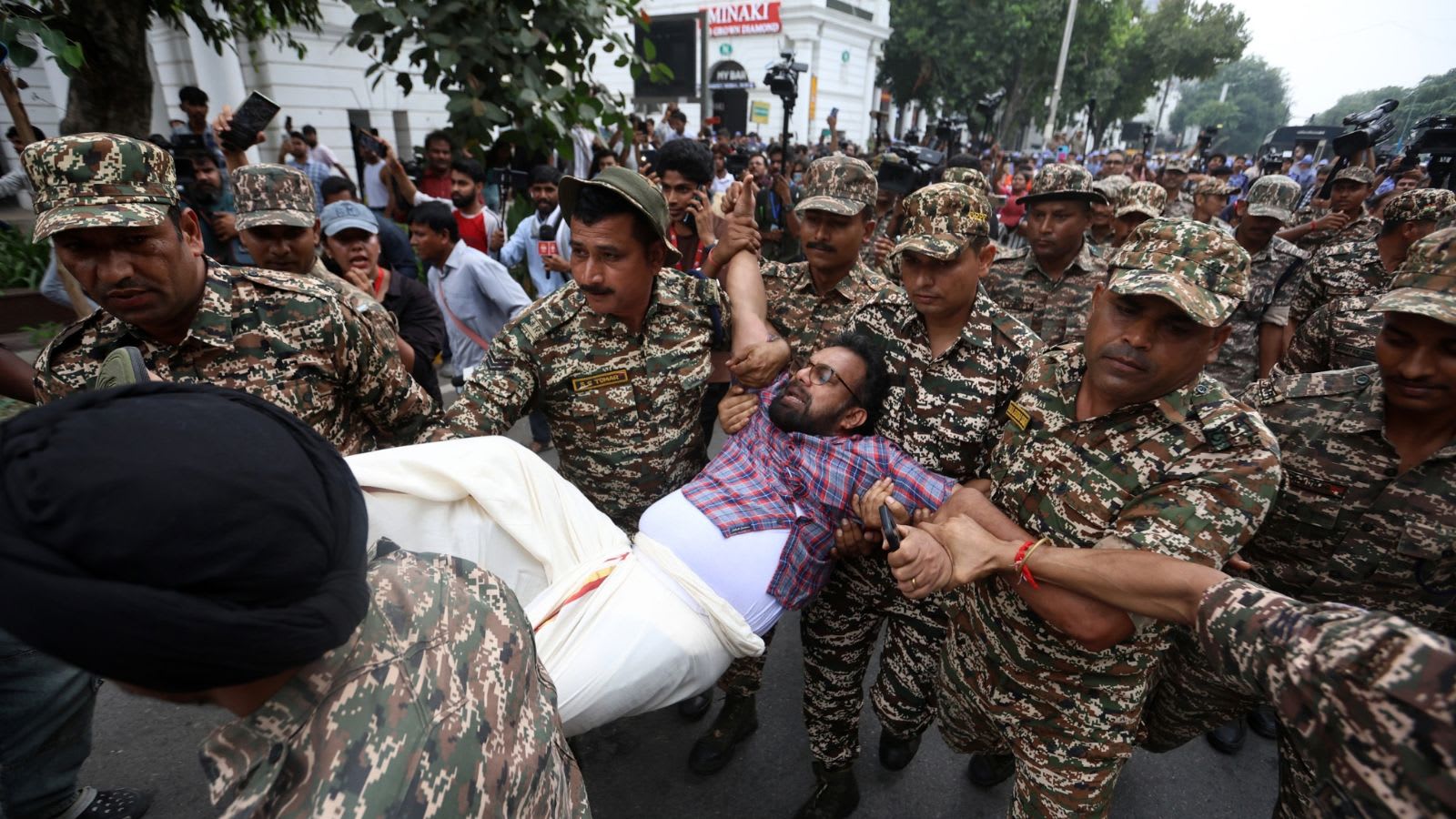
Delhi saw massive state mobilization on October 10 to suppress a protest, resulting in 7,000 detentions and widespread infrastructure disruption. While the state prevented the gathering, the crackdown sparked significant criticism regarding the Election Commission of India's integrity.
The Delhi Crackdown: State Power and Civil Liberties
On October 10, the national capital experienced an unprecedented display of state force as authorities moved to pre-emptively neutralize a planned public protest. The mobilization involved the detention of approximately 7,000 individuals, the cancellation of over 250 railway services, and the closure of 45 metro stations. These measures, typically reserved for severe public-order emergencies, raise critical questions about the proportionality of the state’s response to a crowd size that was reportedly anticipated to be around 7,000 people.
The Optics of Suppression
The scale of the security operation, involving both Delhi Police and central forces, successfully cleared public spaces but inadvertently provided the opposition—referred to in reports as the 'Cockroach Janta Party'—with a significant publicity victory. By detaining leaders directly upon their arrival, the state transformed local political figures into international symbols of resistance. This tactical decision highlights a recurring tension in modern governance: the attempt to minimize dissent often serves to amplify the visibility of the very movements it seeks to suppress.
The ECI Under Scrutiny
Beyond the immediate logistical impact on Delhi’s infrastructure, the crackdown underscored deeper anxieties regarding the Election Commission of India (ECI). Critics argue that the heavy-handed security measures were intended to stifle discourse surrounding the 'Special Intensive Revision' of electoral rolls. Specifically, the conduct of Chief Election Commissioner Gyanesh Kumar has come under intense scrutiny following investigative reports. The state’s focus on clearing the streets appears to be an attempt to dampen public questioning of these electoral processes, though it has failed to resolve the underlying concerns.
Historical Context: The Academic Legacy
In the shadow of these events, the passing of Professor Kamal Aron Mitra Chenoy serves as a poignant reminder of the role of the intellectual in public life. A fixture at JNU’s School of International Studies, Chenoy embodied the principle that the 'life of the mind' and the 'life of conscience' are inseparable. His career, which began with student activism in 1969, stands in stark contrast to the current climate where street-level dissent is met with systemic detention rather than democratic engagement.
Future Implications for Protest
The events of October 10 suggest a future where the threshold for state intervention in public assembly is increasingly low. By prioritizing the prevention of gathering over the management of it, the state risks alienating segments of the public and inviting further international scrutiny. As the debates surrounding the ECI persist, the government’s reliance on administrative and security-based solutions to political grievances may prove counterproductive, potentially fueling the very movements it aims to dismantle.
Conclusion
Ultimately, the October 10 mobilization reflects a fragile equilibrium between maintaining public order and upholding the democratic right to peaceful protest. While the state succeeded in its immediate goal of clearing the streets, it has left the broader questions regarding electoral integrity and civil liberties unanswered. The legacy of figures like Professor Chenoy remains a benchmark for the role of critical thought in a healthy democracy, a standard that currently seems at odds with the tactics employed by the state in the national capital.