Mamata Banerjee, Arvind Kejriwal among 4 ex-CMs detained in Delhi's anti-CEC protest crackdown
Source Entity
Latest News: Todays Latest News Headlines from India & World | Hindustan Times | Hindustan Times
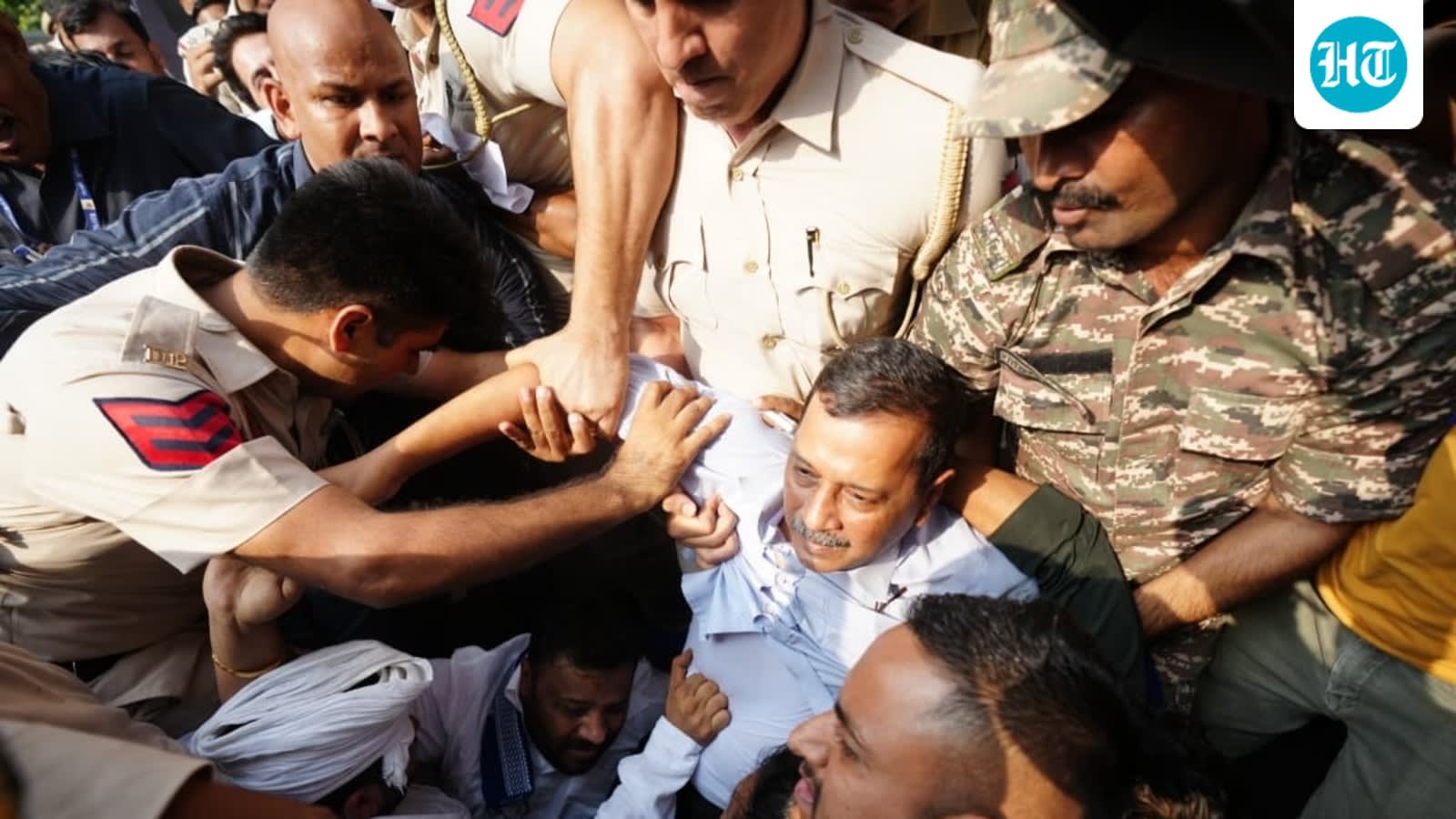
Authorities in Gautam Budh Nagar and Delhi have imposed strict security measures, including Section 163 restrictions and mass detentions, ahead of a planned Cockroach Janta Party protest. Over 35,000 security personnel are deployed to manage potential unrest and prevent public disorder.
Heightened Security Measures in the National Capital Region
In anticipation of the Cockroach Janta Party (CJP) protest scheduled for October 10, 2026, at Jantar Mantar, law enforcement agencies in both Delhi and Gautam Budh Nagar have implemented comprehensive security protocols. The Gautam Budh Nagar police have officially imposed restrictions under Section 163 of the Bharatiya Nagarik Suraksha Sanhita (BNSS), 2023, which will remain in effect for 11 days. These measures aim to curb the potential for civil unrest by prohibiting unauthorized gatherings and the storage of materials that could be used for violent activities.
Proactive Policing and Preventive Detentions
The Delhi Police have adopted an aggressive preventive strategy, conducting overnight operations across 15 districts. Reports indicate that at least 100 individuals with existing criminal records have been detained. Authorities suspect these individuals might have intended to participate in the protest, potentially escalating the situation amid the ongoing Election Commission row involving CEC Gyanesh Kumar. This preemptive action reflects a broader strategy of neutralizing perceived threats before they can materialize at the protest site.
Tactical Deployment and Logistical Impact
A massive security apparatus, consisting of approximately 35,000 personnel, has been deployed throughout Delhi to maintain law and order. This strategic move includes the establishment of road blockades and strictly controlled movement corridors. Residents and commuters should expect significant disruptions, as the security plan necessitates the curtailment of certain metro services and the temporary closure of specific market areas to ensure public safety.
Regulatory Framework and Public Order
The restrictions in Gautam Budh Nagar explicitly target the gathering of five or more people in public spaces, including roads and intersections, unless prior permission is obtained from senior police officers. By banning the burning of effigies and the storage of bricks or inflammable materials, the administration is attempting to mitigate the risk of property damage and physical harm. The official justification cites the presence of anti-social elements who may attempt to exploit the political climate to disturb public order.
The Context of the Election Commission Row
These security measures are directly linked to the planned CJP protest, which centers on grievances regarding the Election Commission. The refusal of permission by the Delhi Police, citing non-compliance with previous protest conditions, has intensified tensions between the demonstrators and the administration. Joint Commissioner of Police (New Delhi) Nupur Prasad noted that the last-minute nature of the request for permission was a primary factor in the denial, highlighting the breakdown in communication between the organizers and the state.
Future Implications for Protest Management
The current situation underscores a growing trend in metropolitan policing where proactive, large-scale administrative restrictions are becoming the standard response to high-stakes political demonstrations. By leveraging the BNSS 2023 framework, authorities are signaling a zero-tolerance policy toward unauthorized assembly. As the October 20 deadline for the current restrictions approaches, the success of these measures will likely serve as a benchmark for how the administration handles future civil dissent in the National Capital Region.
Multiple Citing Sources
Verification Required?