Judge orders Trump admin to stop airing challenged government-funded ads immediately
Source Entity
US Top News and Analysis
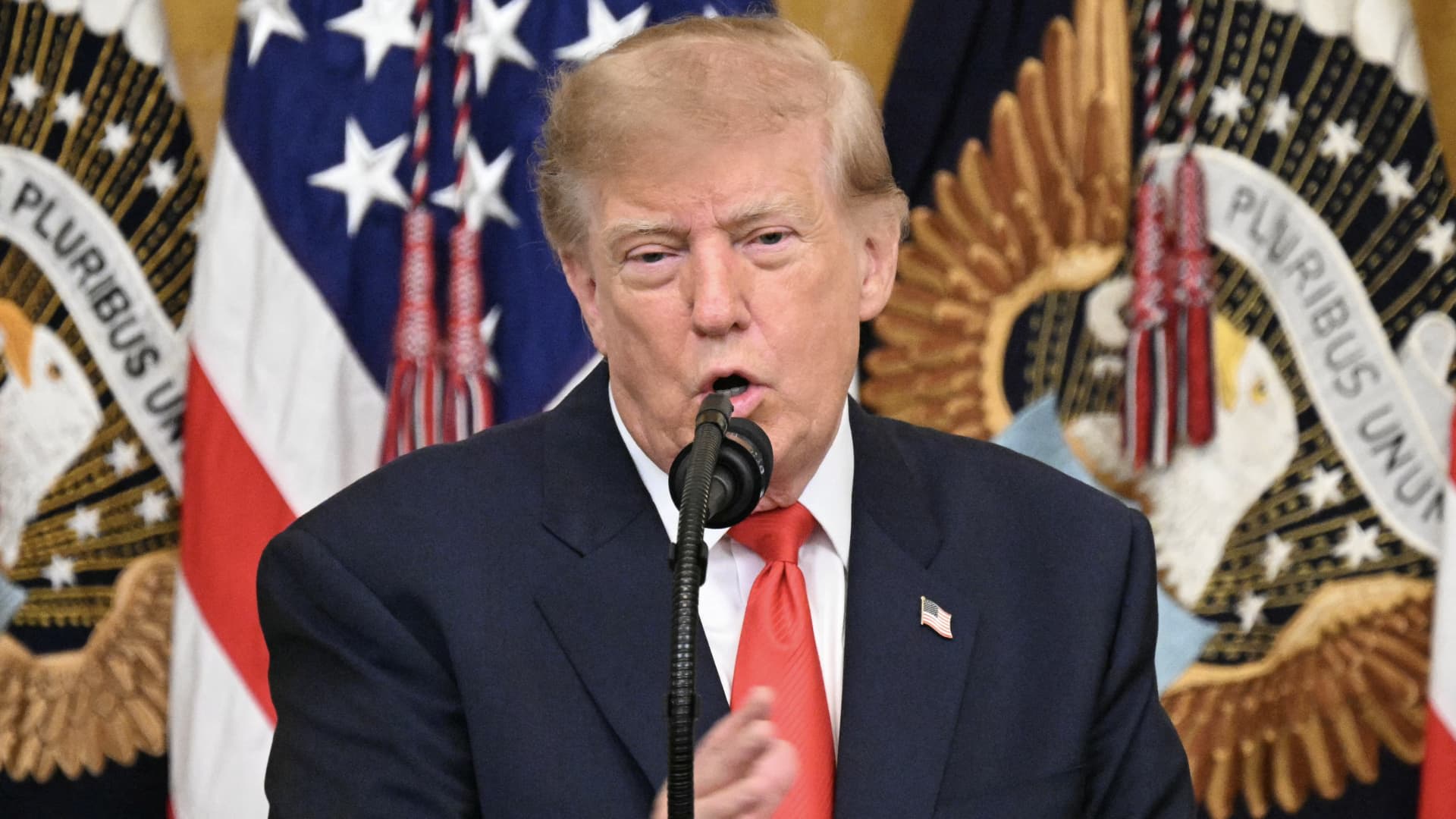
A federal judge has issued a temporary restraining order blocking the Trump administration from airing a $20 million taxpayer-funded ad campaign. The court ruled in favor of a coalition led by Common Cause, citing concerns over the misuse of public funds to influence the midterm elections.
Judicial Intervention in Federal Advertising
In a significant legal development, a U.S. federal judge has issued a temporary restraining order forcing the Trump administration to immediately cease the airing of a $20 million government-funded television advertising campaign. U.S. District Judge Jennifer L. Rochon, presiding in New York, determined that the continued dissemination of these commercials must be halted while the court evaluates the legality of the expenditure. The decision directly addresses concerns regarding the intersection of executive power and the use of public resources.
The Core Allegations: Propaganda and Influence
The legal challenge was brought forward by a coalition of plaintiffs, including the nonpartisan watchdog group Common Cause and the Service Employees International Union Local 32BJ. The primary contention is that the ads—funded by the Department of Homeland Security—functioned more as political propaganda than as informational government communication. Critics argue that the timing and content of the campaign were specifically designed to influence the outcome of upcoming midterm elections, which are critical in determining the legislative balance of power in Congress.
Legal Implications of the Temporary Restraining Order
The court’s order is comprehensive, explicitly barring the administration from entering into, renewing, or expanding any agreements related to the development or airing of these challenged advertisements for the duration of the two-week order. By issuing this injunction, Judge Rochon has signaled a judicial skepticism toward the administration's justification for the $20 million contract. This move places a spotlight on the Department of Homeland Security’s procurement processes and the oversight mechanisms required to prevent the misuse of taxpayer dollars for partisan political messaging.
Historical Precedent and Public Trust
This case highlights the enduring tension between executive communications and the prohibition against using taxpayer money for political promotion. Historically, federal agencies are restricted from using public funds to influence elections, a safeguard intended to maintain the neutrality of the administrative state. The involvement of watchdog groups like Common Cause underscores the role of civil society in policing the boundaries of government conduct during high-stakes election cycles.
Future Trends in Election Oversight
The outcome of this legal battle may set a precedent for how future administrations manage their public awareness campaigns. As the judiciary continues to scrutinize the administration’s use of public funds, the case serves as a warning regarding the vulnerability of government messaging to legal challenges when it overlaps with partisan objectives. The administration’s response to this order, and the subsequent proceedings in the U.S. District Court, will likely influence how federal agencies navigate the fine line between informing the public and campaigning on the taxpayer's dime.