Homemade paneer isn’t automatically safer: What matters more, according to a dietitian
Source Entity
The Indian Express
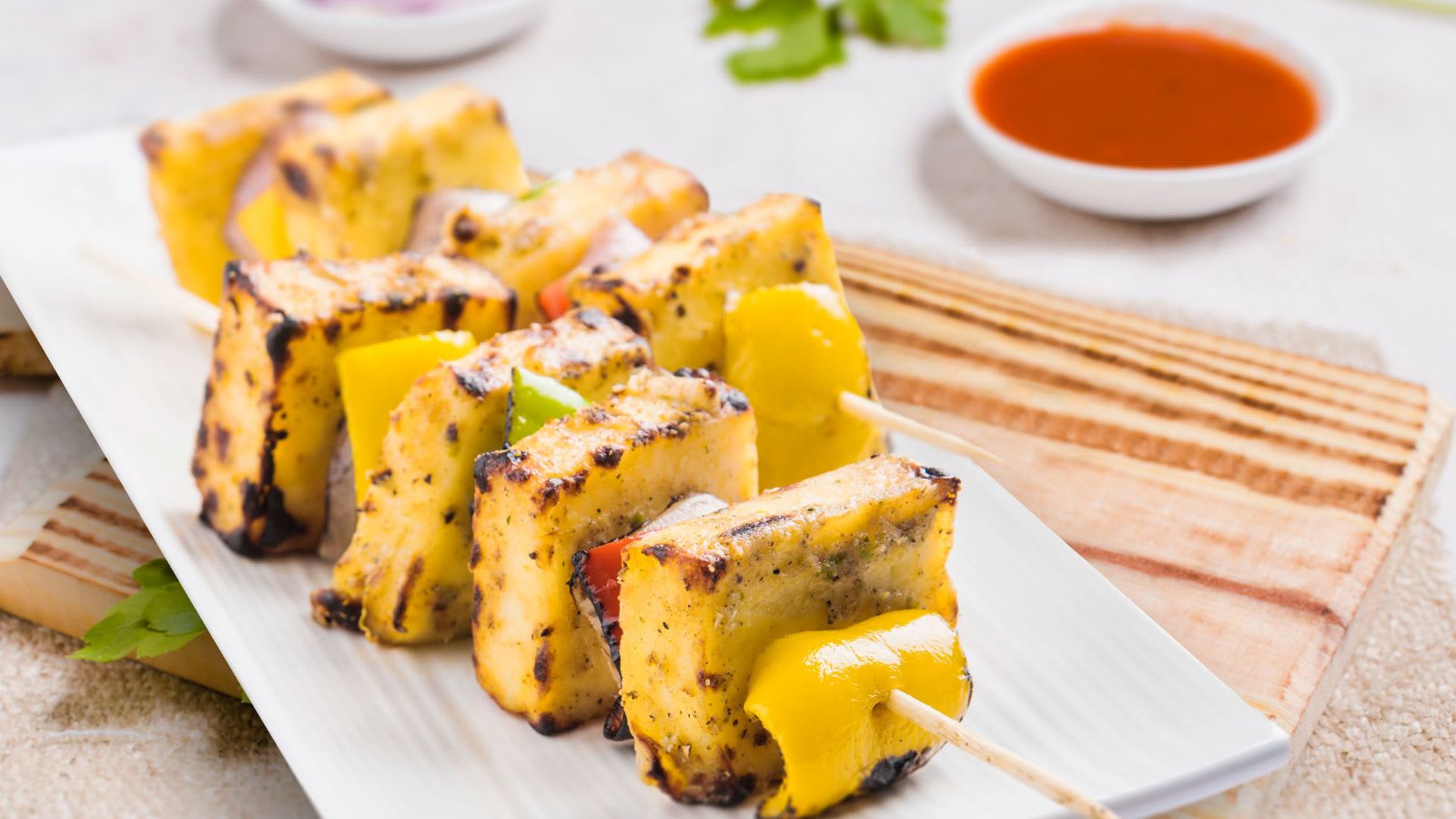
Regulatory bodies are cracking down on the mislabeling of dairy analogues as genuine paneer to protect consumer health. Authorities in Punjab have already banned these non-dairy substitutes, leading to increased seizures ahead of the festive season.
The Crisis of Identity in Dairy Products
In recent months, a critical debate has emerged regarding the integrity of the dairy supply chain in India, specifically concerning the labeling of paneer. The Food Safety and Standards Authority of India (FSSAI) has initiated proposed amendments to the Food Safety and Standards (Prohibition and Restrictions on Sales) Regulations, 2011, aimed at curbing the deceptive marketing of dairy analogues. These substitutes, often crafted from non-dairy ingredients, are frequently sold under the guise of traditional paneer, misleading consumers who expect a product derived from pure milk.
Regulatory Intervention and Consumer Protection
The core of the FSSAI's proposed amendment is the strict prohibition of the term 'Paneer' for any product not derived from traditional dairy sources. Under the new guidelines, manufacturers previously registered under the 'Analogue in Dairy Context' category must immediately cease using the term 'Paneer' in their nomenclature, labeling, and marketing efforts. This regulatory shift is a direct response to the growing prevalence of synthetic or plant-based alternatives that lack the nutritional profile and composition of authentic dairy, thereby ensuring that the term 'paneer' remains exclusive to genuine dairy-based products.
Enforcement on the Ground: The Punjab Model
While national regulations are evolving, local authorities in Punjab have already taken proactive steps to enforce these standards. The state has implemented a complete ban on the sale of 'analogue paneer'—a product manufactured using non-milk ingredients instead of conventional dairy. This legislative stance reflects a broader commitment to public health, particularly as the demand for dairy products surges during India's festive season, a time when the risk of adulteration traditionally increases.
Combating Adulteration and Smuggling
Recent enforcement actions in Patiala underscore the severity of the situation. The food safety wing of the Patiala health department recently conducted raids in Samana and Chhatera village, resulting in the seizure of approximately 125 kg of suspected paneer. These operations are not merely routine inspections; they are part of a larger strategic effort to disrupt the illicit supply chains that facilitate the smuggling of substandard dairy products across state borders, specifically the Cheeka-Patiala route between Haryana and Punjab.
Challenges in Food Safety and Future Trends
Beyond the immediate seizures, these events highlight the complex challenges faced by food safety regulators in balancing market innovation with consumer safety. As food technology advances, the line between dairy and dairy-like products will continue to blur, necessitating more stringent laboratory testing protocols. Future trends suggest that the FSSAI will likely increase its focus on rigorous lab-based verification of samples, as seen in the recent collection of ghee and paneer samples in Patiala, to ensure compliance with the evolving legal definitions of dairy identity.