‘No cake-cutting around Hussain Sagar’: Behind Hyderabad police’s diktat, a tragedy
Source Entity
Sreenivas Janyala
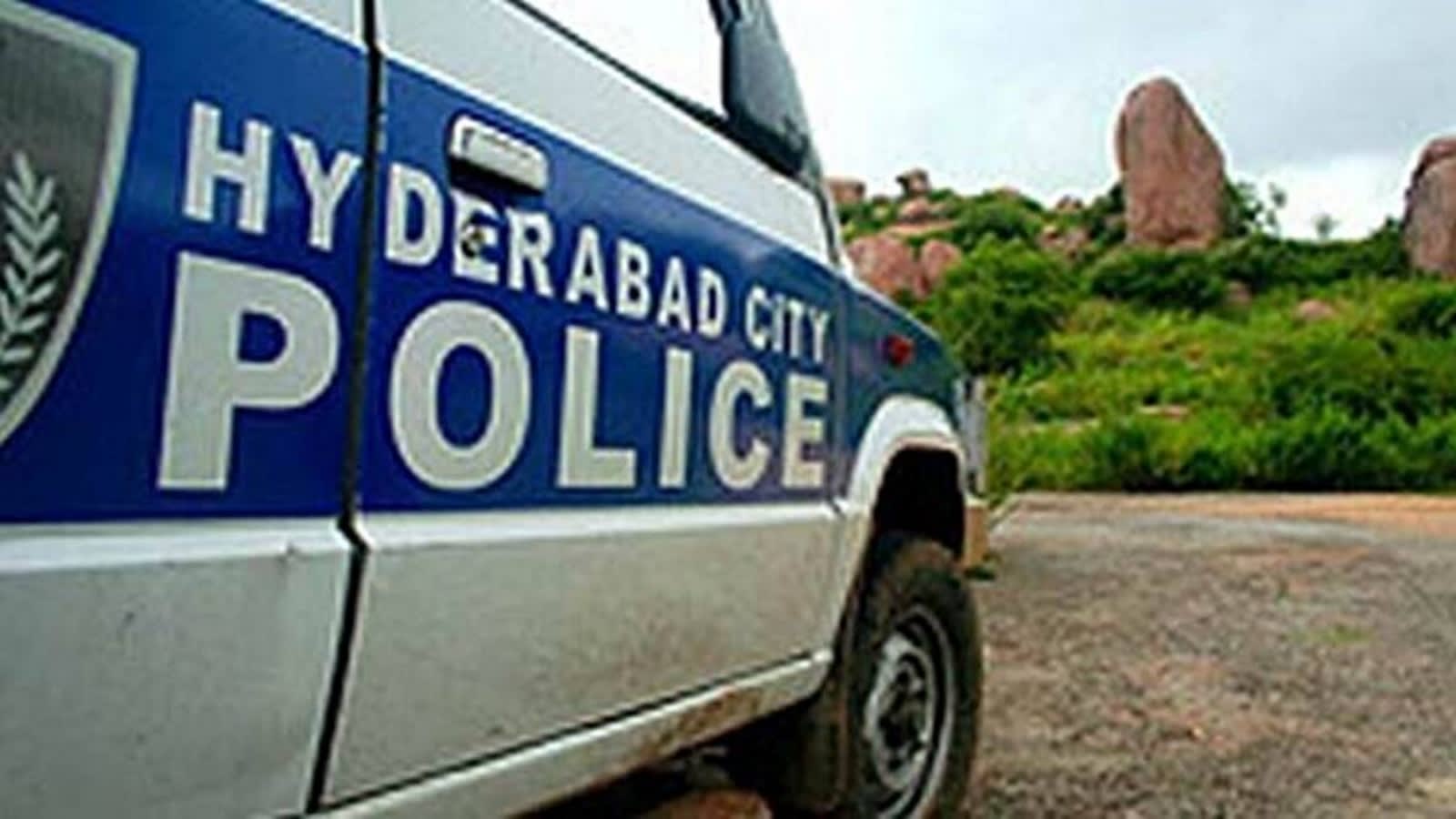
Hyderabad Police have banned roadside birthday celebrations along Necklace Road and Tank Bund following a fatal accident involving a child. The ban aims to curb dangerous public gatherings often spurred by social media trends.
The Tragic Catalyst: A Shift in Public Space Regulation
The recent decision by Hyderabad Police to prohibit birthday celebrations around the periphery of Hussain Sagar Lake, specifically along the iconic Necklace Road and Tank Bund, marks a significant shift in urban management. This directive follows a harrowing tragedy in which a six-year-old girl and her relative were struck and killed by a truck while attempting to cross the road during a celebratory gathering. This incident has forced authorities to re-evaluate how public spaces are utilized, particularly during late-night hours when foot traffic and road safety risks collide.
The Social Media Phenomenon and Public Safety
Over the past few years, Hussain Sagar has transitioned from a historical landmark to a viral destination. The rise of short-form video content and social media reels has incentivized young people to film midnight birthday celebrations against the backdrop of the lake’s shimmering waters. While this reflects a modern cultural trend of public celebration, it has inadvertently created localized safety hazards. The influx of vehicles and pedestrians congregating on the roadside for these impromptu parties has strained the capacity of these thoroughfares to manage both traffic flow and pedestrian safety.
Historical Significance vs. Modern Usage
For decades, Hussain Sagar has served as a primary cultural hub for Hyderabad, second only to the historic Charminar in visitor frequency. Built in the 16th century, the lake is a symbol of the city's heritage and engineering prowess. However, the contrast between its historical status as a serene public space and its current role as a high-energy social media hotspot highlights the challenges of urban planning in a rapidly digitizing society. The police intervention is a direct response to the friction between traditional public leisure and the modern, high-risk behavior associated with viral social media activity.
The Broader Implications of the Ban
This ban serves as a cautionary tale for city planners regarding the 'social media effect' on urban infrastructure. When a location gains popularity due to its aesthetic appeal in digital media, authorities are often ill-equipped to handle the resulting surge in foot traffic. By restricting these activities, the Hyderabad Police are attempting to reclaim the streets for transit rather than exhibition. This move prioritizes the fundamental safety of citizens over the recreational habits of groups, signaling a potential trend of increased surveillance and regulation in high-traffic public areas.
Future Trends and Urban Safety
Moving forward, the city of Hyderabad faces the complex task of balancing public enjoyment of its landmarks with the necessity of traffic safety. If this ban remains in place, it could lead to the development of designated 'celebration zones' or stricter enforcement of pedestrian zones in other parts of the city. As social media continues to influence how public spaces are utilized, authorities will likely have to adopt more proactive measures to prevent similar tragedies, ensuring that the legacy of heritage sites like Hussain Sagar does not continue to be marred by preventable accidents. Ultimately, this policy shift underscores a vital lesson: public safety must remain the absolute priority, even in the face of evolving social norms and digital trends.