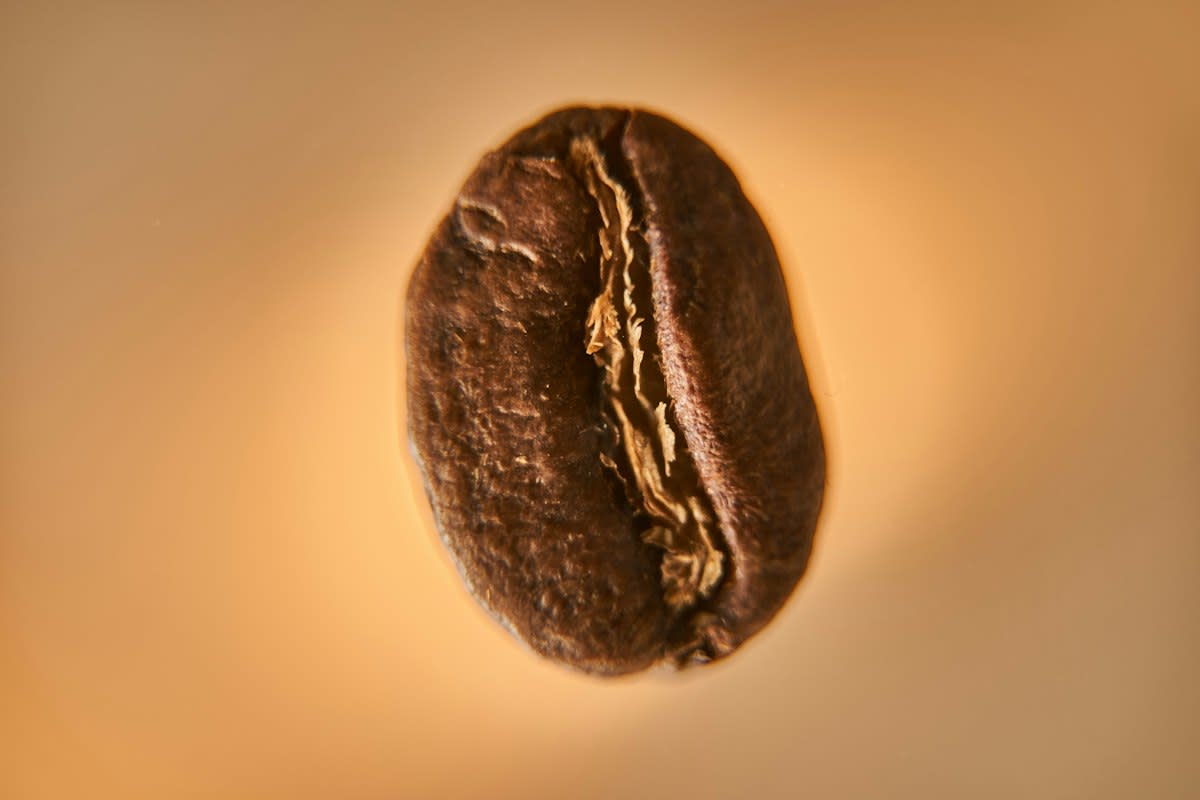
The Great Arabica Illusion
For years, the specialty coffee industry operated on a simple, unspoken hierarchy: Arabica was for the connoisseurs, and Robusta was for the masses. This binary viewed Robusta as a mere filler, a way to bulk up blends without breaking the bank. But this assumption is crumbling under the weight of climate reality. While Arabica is prized for its nuance, it is notoriously fragile. The market is finally waking up to the fact that fragility is a liability, and resilience is the new luxury.
The shift isn't theoretical; it is written in the futures contracts. In early 2025, ICE Arabica coffee futures experienced a violent rally, hitting an all-time high of 440.85 cents per pound in February (Source: Barchart, 2026). This spike wasn't a fluke of demand but a symptom of systemic failure. Dry El Niño weather in 2024 devastated coffee trees during the critical flowering stage across South and Central America, leaving the industry scrambling. When Rabobank predicted that Brazil's 2025/26 Arabica crop would plummet by 13.6% year-over-year, the narrative shifted from 'preference' to 'availability' (Source: Barchart, 2026).
The Robusta Pivot: From Filler to Foundation
As Arabica becomes a high-risk bet, the world is leaning into Robusta with unprecedented urgency. World coffee exports for 2025/26 have climbed to 150.095 million bags, a 1.8% increase over the previous record high (Source: Barchart, 2026). This growth is being driven by a global realization: if you cannot guarantee the yield of a delicate bean, you invest in the one that survives. Brazil, Vietnam, and Colombia continue to dominate the export landscape, but the internal chemistry of what they are shipping is changing.
| Top Exporter | Export Share (2025/26) |
|---|---|
| Brazil | 27.1% |
| Vietnam | 18.6% |
| Colombia | 8.4% |
Look at the Indian market to see this trend in hyper-speed. India's instant coffee sector is no longer just about convenience; it is a massive growth engine. The market is forecast to expand from USD 493.6 million in 2025 to an estimated USD 800.8 million by 2034, growing at a CAGR of 5.25% (Source: IMARC Group, 2026). Because India relies heavily on Robusta-rich blends for its instant production, the 'least loved' bean is now the primary driver of a nearly billion-dollar industry. The risk is no longer the taste—it is the supply chain tightness that threatens manufacturer margins (Source: IMARC Group, 2026).
This is where the practitioner's friction becomes visible. Inside the roasting houses, there is a quiet, heated war between the Master Roaster and the CFO. The roaster argues that Robusta's rubbery notes ruin the profile, while the CFO points to the 440-cent Arabica peak and demands a higher Robusta percentage to save the margin. The real innovation is happening in the middle: 'Fine Robusta.' By applying specialty processing techniques—traditionally reserved for Arabica—farmers are stripping away the bitterness and uncovering a bold, chocolatey profile that commands a premium price.
Escaping the Outsourcing Trap
While the beans are gaining value, the people growing them are fighting a different battle: the value-capture war. In Vietnam, the world's Robusta powerhouse, manufacturers have long been caught in an 'outsourcing trap,' sometimes earning as little as $1 per product (Source: Báo VietNamNet, 2026). The tragedy of the commodity cycle is that the more you produce, the less you earn per unit if you only provide the raw material. To survive, the industry is shifting from low-cost manufacturing to high-value design and technology.
The data is staggering. The share of foreign value added in Vietnam's exports rose from 33% in 2010 to nearly 50% in 2022 (Source: OECD via Báo VietNamNet, 2026). This means half the value of what Vietnam exports is actually created elsewhere. By repositioning Robusta as a luxury asset—through branded, origin-specific, and high-tech processing—Vietnamese producers are attempting to claw back that 50% and move up the global value chain.
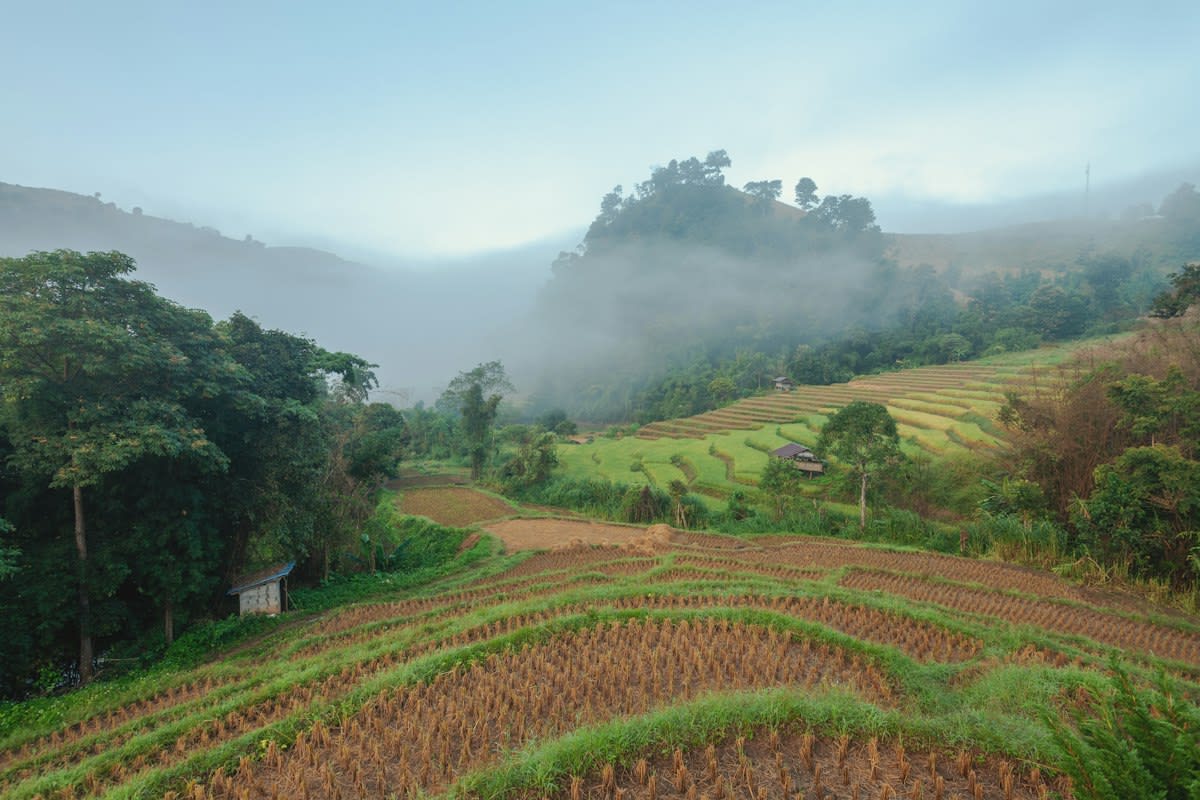
Logistics as the New Luxury
You cannot sell a luxury asset if it spends three months rotting in a shipping container. The final piece of the Robusta renaissance is the overhaul of logistics. In Northern Vietnam, the development of the Gia Binh International Airport is a signal of this shift. By building a cargo strategy around a proposed 5,000-hectare free-trade zone near Hanoi, the region is shortening the distance between the factory and the international market (Source: Aviation Week, 2026).
"Air cargo is a pillar of [Gia Binh's] development model, not a supporting function. The ultimate objective is to turn northern Vietnam’s manufacturing advantage into a global connectivity advantage—shortening the journey from factory to international market."— Denis Bugrov, Deputy CEO at Masterise Aviation Infrastructure
This infrastructure pivot is critical. When Robusta is treated as a commodity, it moves by slow boat. When it is treated as a luxury asset—freshly roasted, origin-certified, and targeted at the high-spending urban enthusiasts in markets like India—it moves by air. This shift in logistics mirrors the shift in the bean's perception: from a bulk ingredient to a precision product.
Fact-Check & Accuracy Note
Key claims regarding Arabica price peaks (440.85 cents/lb) and Brazil's crop decline (-13.6%) are sourced from Barchart and Rabobank (2026). India's market growth projections are sourced from IMARC Group (2026). The 'outsourcing trap' data is attributed to OECD and Báo VietNamNet (2026). Ongoing debate remains regarding the speed at which 'Fine Robusta' can achieve mainstream luxury status compared to Arabica.
Editorial Note
This report intentionally moves away from the 'climate crisis' narrative to focus on 'climate adaptation.' The focus is on how producers are leveraging the inherent resilience of the Robusta plant to create new economic opportunities in a volatile environment.