Pawan Kalyan directs evacuation of people from cyclone-prone areas in Kakinada district
Source Entity
India Latest News: Top National Headlines Today & Breaking News | The Hindu
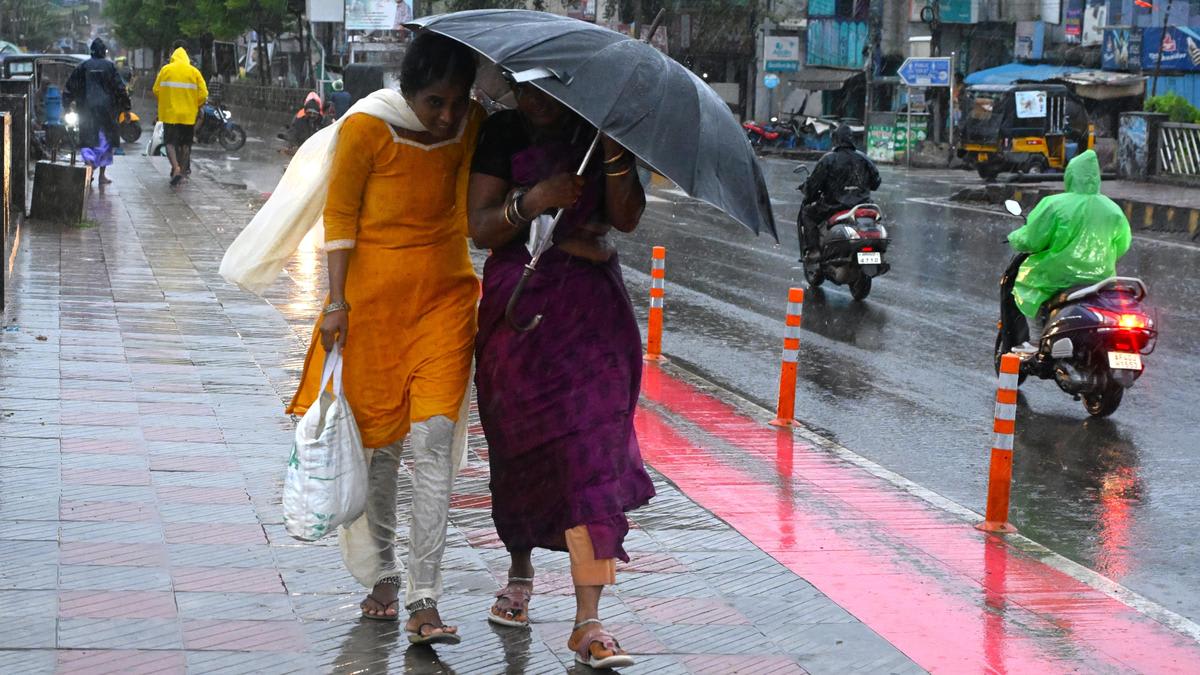
Deputy Chief Minister Pawan Kalyan has ordered the urgent evacuation of over 15,000 residents in Kakinada district ahead of Cyclone Arnab. Officials are mobilizing to provide relief as the region braces for high-velocity winds and potential storm surges.
Emergency Evacuation Ordered in Kakinada
Deputy Chief Minister K. Pawan Kalyan has taken a proactive stance in disaster management, directing local officials in the Kakinada district to complete the evacuation of over 15,000 residents from 92 vulnerable habitations. This directive comes as a direct response to the imminent threat posed by Cyclone Arnab, which is projected to impact the coastal region with significant intensity. By setting a strict deadline for the evacuation process, the administration aims to minimize exposure to the hazardous weather conditions expected to unfold.
Assessing the Meteorological Threat
The urgency of the evacuation is underscored by the forecasted severity of the cyclone. Meteorological data indicates that Cyclone Arnab is expected to cross the coast near Yanam by Wednesday afternoon. With sustained wind speeds ranging from 115 to 125 kmph, and gusts potentially reaching 140 kmph, the storm poses a serious risk to infrastructure and human life. Furthermore, the combination of heavy rainfall, flash flood risks, and a projected storm surge of one to two meters necessitates a rapid response to protect low-lying coastal populations.
Administrative Coordination and Preparedness
During his review meeting with the District Collector and senior administrative officials, Pawan Kalyan emphasized the criticality of inter-departmental synergy. The success of disaster mitigation efforts relies heavily on the coordination between revenue, police, and disaster response teams. The directive to ensure that all relief centers are fully stocked with essential supplies—including food, clean water, and medical resources—is a pivotal component of the state's strategy to maintain public welfare during the period of isolation caused by the storm.
Historical Context and Regional Vulnerability
Coastal districts like Kakinada have historically been susceptible to cyclonic activity due to their geography along the Bay of Bengal. This region is no stranger to the devastating impacts of severe weather systems, which often bring widespread damage to agricultural lands and residential structures. By focusing on the 92 identified vulnerable habitations, the government is applying lessons from past disaster management cycles, where proactive relocation of residents from low-lying areas proved to be the most effective strategy in preventing casualties.
Long-term Implications and Future Trends
This event highlights the increasing importance of climate-resilient governance in coastal Andhra Pradesh. As weather patterns become more unpredictable, the ability of state leadership to mobilize resources quickly will continue to be a defining factor in disaster mitigation. Looking forward, the emphasis on pre-emptive evacuation serves as a blueprint for future preparedness, demonstrating a shift from reactive rescue operations to proactive safety management. The government’s commitment to safeguarding these communities remains a critical pillar of its regional development and public safety agenda.
Verification Required?