Prashant Kishor party member missing from train, body found on tracks near Ranchi
Source Entity
Shubham Tigga, Himanshu Harsh
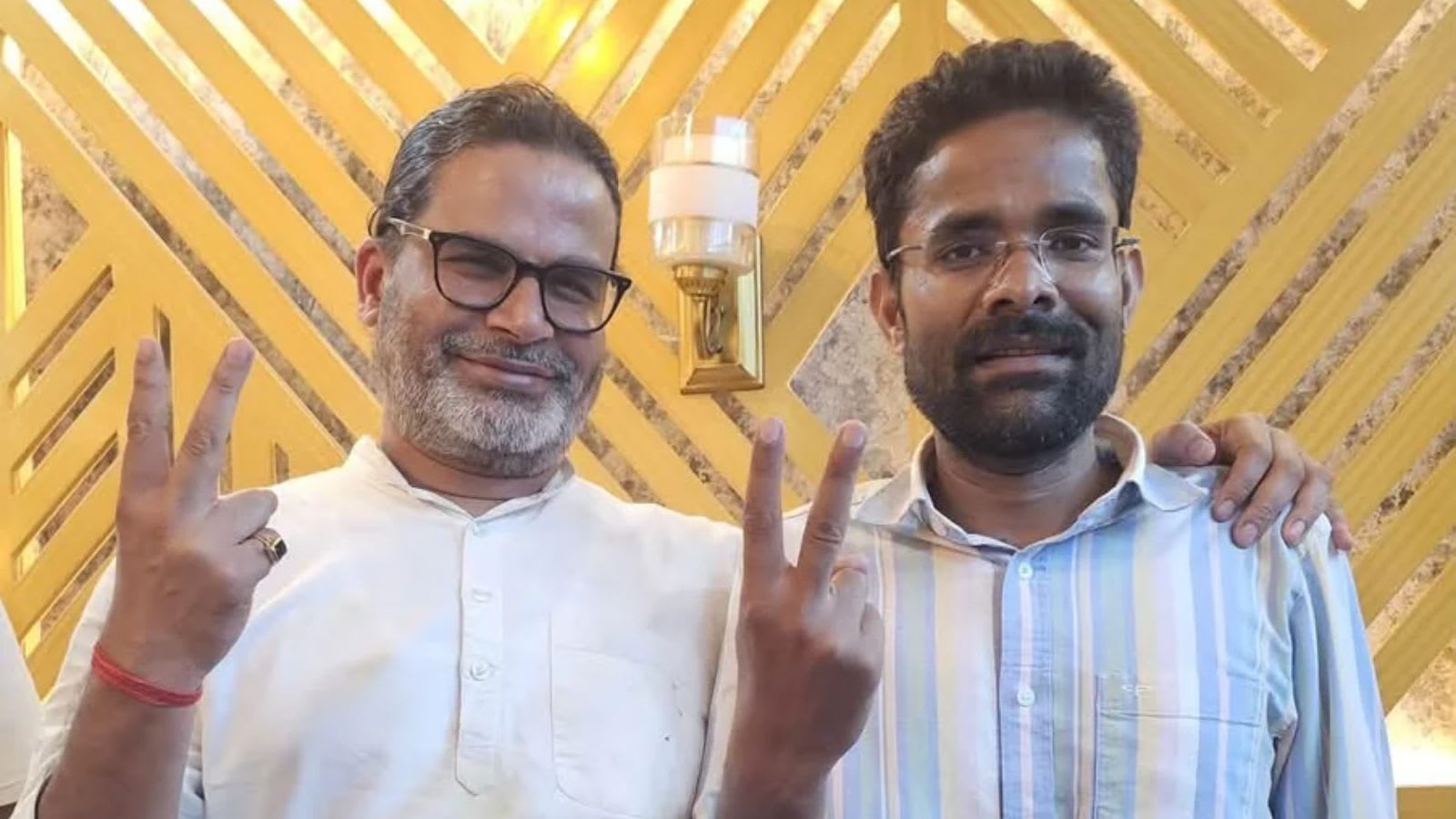
The body of Devpalik Gupta, a digital communications manager for the Jan Suraaj Party, was discovered near railway tracks in Jharkhand. Authorities suspect he fell from the Jan Shatabdi Express while traveling from Ranchi to Patna.
Tragic Demise of Jan Suraaj Party Official
The political landscape in India was struck by a somber incident involving the untimely death of Devpalik Gupta, a 31-year-old digital communications manager associated with the Jan Suraaj Party (JSP). The discovery of his body in a bush along the railway tracks between Jonha and Kita in Jharkhand marks a distressing end to a journey that was intended to conclude in Patna. Gupta, a resident of Uttar Pradesh’s Kushinagar district, had been traveling on the Jan Shatabdi Express (12366) alongside two associates when he went missing.
Circumstances of the Incident
According to reports from the Railway Protection Force (RPF) Ranchi Post, the preliminary investigation suggests that Gupta may have fallen from the moving train. The discovery of his remains occurred on Tuesday afternoon, nearly a full day after he was last seen by his colleagues, Gautam Kumar and Nishant Kumar. The significant time lapse between his disappearance and the location of his body has prompted questions regarding the efficiency of the search and rescue response in such critical transit situations.
Investigative Concerns and Procedural Questions
Nishant Kumar, one of the associates traveling with the deceased, has voiced concerns regarding the timeline of the recovery. The gap between the initial report of his disappearance and the eventual discovery of the body raises valid questions about railway safety protocols and the coordination between transit authorities and political entourages. As the RPF continues to investigate the circumstances of the fall, the focus remains on determining whether the incident was a result of accidental circumstances or if there were external factors that contributed to the tragedy.
Broader Implications for Political Mobility
This incident highlights the inherent risks associated with the frequent travel required by political operatives and digital campaign managers in India. As regional parties like Jan Suraaj expand their outreach efforts across states, the reliance on high-speed rail networks becomes a logistical necessity. The loss of a key digital strategist underscores the vulnerabilities faced by those working on the front lines of political mobilization, often operating under tight schedules and demanding travel conditions.
Future Trends and Safety Oversight
Looking ahead, this tragedy is likely to spark a broader discussion on passenger safety on Indian Railways, particularly regarding door-locking mechanisms and the monitoring of passengers on long-distance routes. For organizations like the Jan Suraaj Party, the loss of a digital communications lead is a significant blow to their operational capacity. Moving forward, political entities may need to implement stricter safety protocols for staff traveling long distances to ensure that such avoidable tragedies do not recur during the intense pace of electioneering and party building.