Centre agrees to keep hqrs of Ganga flood control panel in Patna
Source Entity
Latest News: Todays Latest News Headlines from India & World | Hindustan Times | Hindustan Times
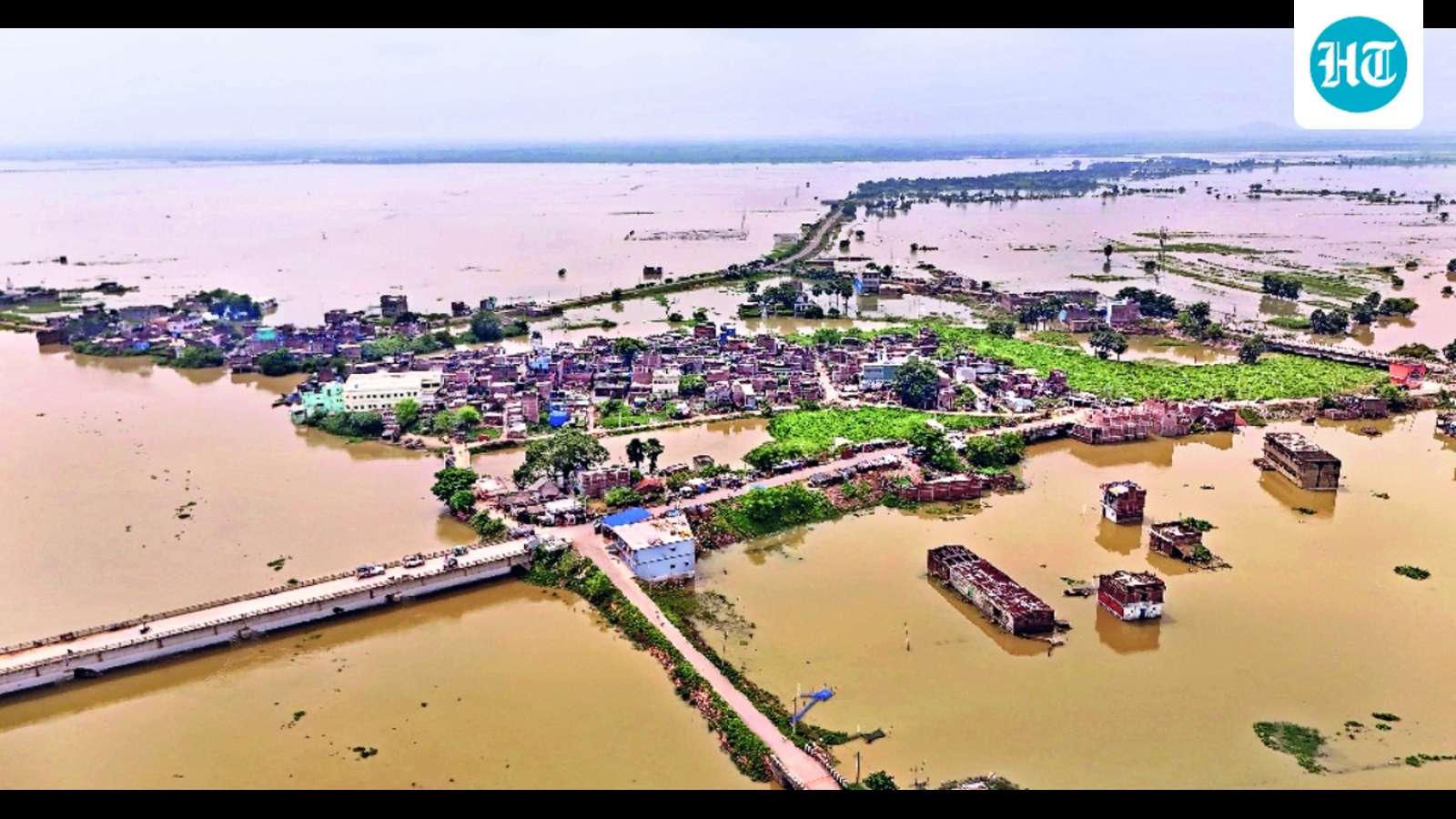
The Union Ministry of Jal Shakti has agreed to keep the Ganga Flood Control Commission (GFCC) headquarters in Patna following requests from the Bihar government. The state is now seeking central funding to address severe siltation and damage to agricultural lands caused by recent flooding.
Strategic Retention of the Ganga Flood Control Commission in Patna
In a significant administrative decision, the Union Ministry of Jal Shakti has officially acceded to the request of the Bihar government to maintain the headquarters of the Ganga Flood Control Commission (GFCC) in Patna. This development, confirmed during the 19th meeting of the Ganga Flood Control Board in New Delhi, underscores the ongoing collaboration between state and central authorities in managing the complex hydrological challenges of the Ganga River basin.
The Importance of Geographical Proximity
Deputy Chief Minister and Water Resources Minister Vijay Kumar Chaudhary had strongly advocated against the proposed shifting of the GFCC to Delhi. His argument centered on the historical precedent of the commission’s location and the operational necessity of having the regulatory body situated in the heart of the flood-prone region. By keeping the headquarters in Patna, the GFCC remains physically closer to the ground realities of the Ganga basin, ensuring more responsive management and oversight of flood control initiatives.
Mandate of the GFCC
As a subordinate office under the Union Ministry of Jal Shakti, the GFCC serves as a critical technical arm responsible for flood management across the various states within the Ganga River basin. Its mandate involves coordinating large-scale infrastructure and policy interventions designed to mitigate the recurring risks posed by the river's seasonal volatility. The commission's presence in Bihar is vital, given that the state frequently bears the brunt of the Ganga's overflow, necessitating constant monitoring and rapid intervention strategies.
Addressing Post-Flood Recovery
Beyond the administrative location of the commission, the recent discussions highlighted the urgent need for post-flood rehabilitation. The Bihar government has signaled its intent to request substantial financial assistance from the Centre to address the degradation of farmlands and fisheries. The accumulation of sand and silt resulting from recent flooding has caused extensive damage to agricultural productivity, threatening the livelihoods of thousands of farmers in the region.
Future Implications and Policy Direction
This decision marks a pivotal moment for regional water governance. By prioritizing local expertise and proximity, the government is signaling a commitment to decentralized management of natural disasters. Moving forward, the focus will likely shift toward securing the necessary central funds to clear the silted areas, which is a prerequisite for restoring the economic health of the affected districts. The synergy between the GFCC’s technical guidance and the state’s recovery efforts will be the defining factor in how effectively Bihar manages the long-term impacts of these environmental challenges.
Conclusion
The retention of the GFCC in Patna is more than a bureaucratic victory for the Bihar government; it is a strategic alignment of resources and location. With the threat of flooding becoming increasingly unpredictable due to changing climate patterns, having a specialized body situated in the affected basin is essential for long-term resilience and effective disaster risk reduction.
Verification Required?