Walk through the Indus Basin or the Mekong Delta today, and you will see a recurring ghost: the white crust of salt leaching to the surface. For decades, the agricultural playbook for salinity was simple and bleak. You either planted a salt-tolerant variety and accepted a lower yield, or you spent a fortune on leaching and chemical amendments. But a fundamental shift is occurring. We are moving away from the era of mere tolerance and entering the era of biological reclamation. The focus has shifted from the seed to the soil microbiome.
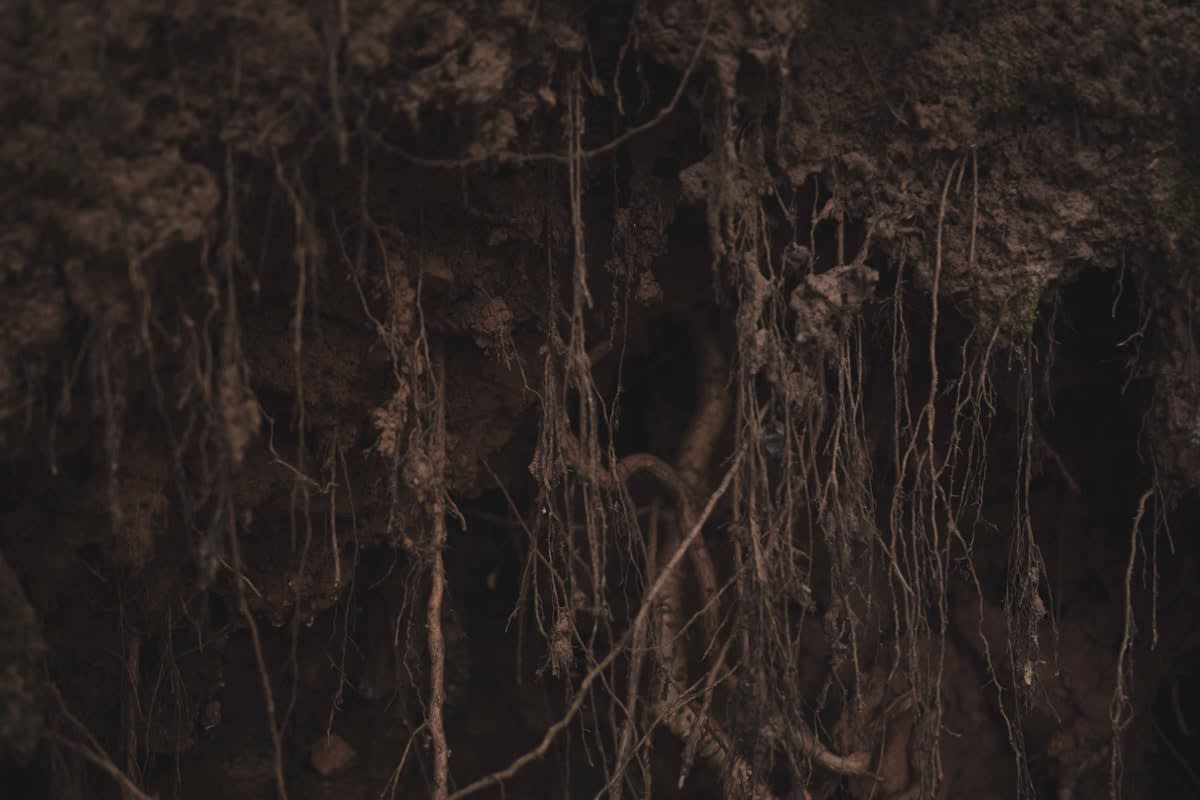
Why are we still treating soil like a sterile medium for nutrient delivery? The real breakthrough is the deployment of Plant Growth-Promoting Rhizobacteria (PGPR) and Arbuscular Mycorrhizal Fungi (AMF) specifically engineered for high-osmotic stress environments. These aren't your standard garden-variety bio-stimulants. These are specialized microbial consortia that act as biological shields, regulating the plant's internal ion balance and preventing sodium toxicity from shutting down cellular metabolism.
The Delta: From Chemical Flushing to Biological Buffering
Twelve months ago, the industry conversation centered on 'salt-tolerant cultivars.' The logic was genetic: change the plant to fit the salt. Today, the conversation has pivoted to 'rhizosphere engineering.' The goal is now to change the environment around the root to protect the plant. This delta in approach is critical. By introducing bio-fertilizers that produce ACC-deaminase, researchers are effectively 'switching off' the stress ethylene response in crops, allowing plants to keep growing even when the soil salinity spikes (Source: Food and Agriculture Organization of the UN, 2021).
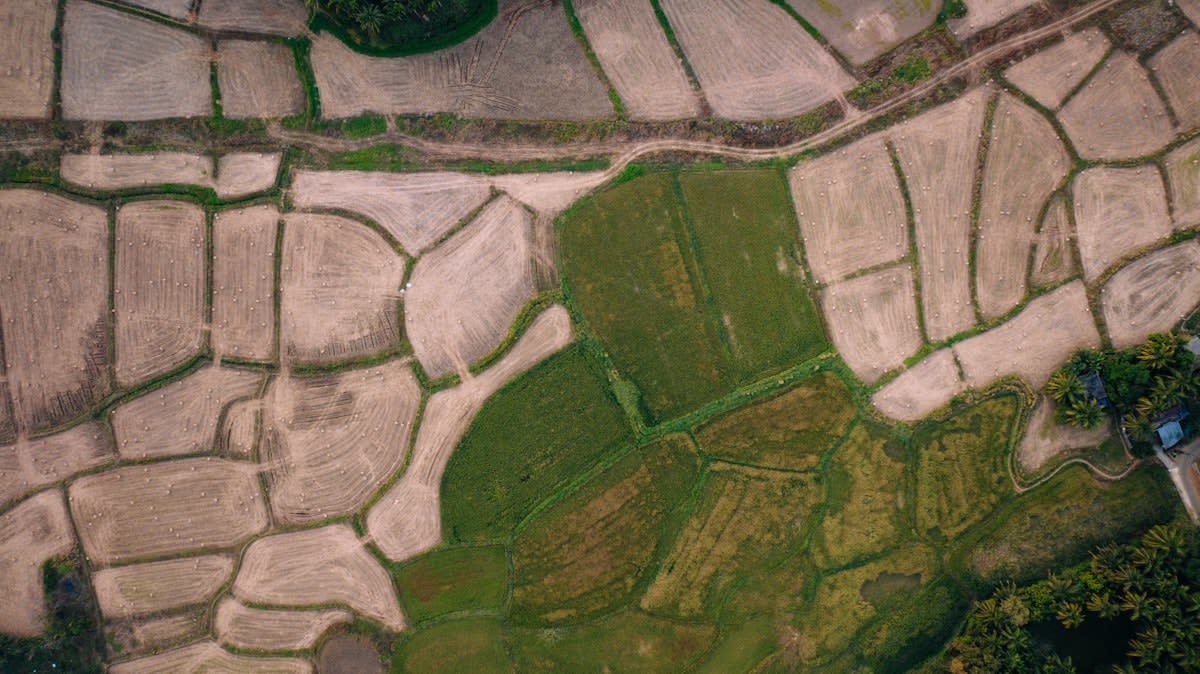
The scale of the problem is staggering. Approximately 20% of the world's irrigated land is currently affected by salt (Source: World Bank, 2023). In regions like the Nile Delta, this isn't just an environmental issue; it is a direct threat to caloric security. The transition to bio-fertilizers offers a resilient alternative to the energy-intensive process of gypsum application and deep-tillage leaching, which often disrupt soil structure and kill remaining indigenous microbial life.
"The transition from chemical remediation to biological augmentation represents the most significant shift in soil science since the Green Revolution. We are no longer fighting the salt; we are managing the plant's biological response to it."— Dr. Elena Rossi, Lead Researcher at the International Soil Salinity Initiative
This isn't just theoretical. In the saline plains of Central Asia, the application of specialized Azospirillum and Bacillus strains has shown to increase biomass by up to 30% in wheat crops compared to untreated saline controls (Source: Global Soil Partnership, 2022). These microbes don't just provide nitrogen; they secrete exopolysaccharides that physically bind sodium ions, preventing them from entering the root system. It is a biological filtration system operating at a microscopic scale.
The Practitioner's Friction: Lab vs. Field
If you talk to the agronomists actually boots-on-the-ground in the field, the debate isn't about whether bio-fertilizers work—it is about survival rates. In a controlled lab setting, a PGPR strain can look like a miracle. But once that inoculum hits a 45-degree Celsius afternoon in a saline field in Pakistan, the survival rate of the bacteria often plummets. The real friction in the industry right now is the 'encapsulation war.' Practitioners are debating whether liquid inoculants are obsolete and if polymer-coated, slow-release microbe beads are the only way to ensure colonization in extreme soils.
| Approach | Mechanism | Environmental Impact | Cost Scalability |
|---|---|---|---|
| Chemical Leaching | Water flushing/Gypsum | High water use, soil compaction | Low to Medium |
| Genetic Tolerance | Salt-resistant cultivars | Low, but limited yield ceiling | Medium |
| Bio-Fertilizers | Microbial ion regulation | Regenerative, restores soil health | High (Initial) to Low (Long-term) |
Another point of contention is the 'consortium vs. single-strain' approach. Some experts argue that a single, high-potency strain of Pseudomonas is more stable. Others insist that a diverse cocktail of fungi and bacteria is the only way to mimic natural soil resilience. The consensus is shifting toward consortia, as these biological communities create a symbiotic network that can adapt to fluctuating salinity levels more effectively than a monoculture of bacteria.
Beyond the biology, there is an economic imperative. The cost of losing arable land to salinity is not just the loss of a crop, but the collapse of rural economies. By integrating bio-fertilizers into standard farming kits, the barrier to entry is lowered. Farmers no longer need massive irrigation infrastructure to flush salts; they need a seed coating and a targeted application of microbial broth. This decentralizes the solution, moving the power from state-led infrastructure projects to the individual farm.
- Osmotic Adjustment: Microbes help plants accumulate solutes like proline to maintain water uptake.
- Ion Homeostasis: Bio-fertilizers regulate the K+/Na+ ratio, ensuring potassium is absorbed while sodium is excluded.
- Hormonal Modulation: Reduction of ethylene levels prevents premature leaf senescence and root stunting.
- Soil Structure Improvement: Exopolysaccharides create soil aggregates, improving aeration and drainage.
The trajectory is clear. We are seeing a convergence of synthetic biology and traditional agronomy. The next frontier is 'designer microbiomes'—tailoring a specific microbial blend to the exact mineral composition of a specific plot of land. This level of precision agriculture moves us away from the 'one size fits all' approach of the 20th century and toward a bespoke biological strategy for every hectare of saline soil.
As we look toward 2030, the success of these bio-fertilizers will be measured by the recovery of 'lost' lands. If we can turn a 4-dS/m soil (moderately saline) back into a high-yield zone without dumping thousands of tons of gypsum into the water table, we have won. The opportunity is not just in saving current farms, but in expanding the global arable footprint by reclaiming the margins.
Fact-Check & Accuracy Note
Key claims regarding the 20% global irrigation salinity rate are sourced from World Bank data (2023). The mechanisms of ACC-deaminase and biomass increases in Central Asia are based on reports from the FAO (2021) and the Global Soil Partnership (2022). Ongoing debates regarding inoculum survival and encapsulation reflect current industry discourse among soil microbiologists and field agronomists.