Emergency response triggered at US Department of Energy industrial complex near Aiken, South Carolina after ‘radiological release’
Source Entity
Latest News: Todays Latest News Headlines from India & World | Hindustan Times | Hindustan Times
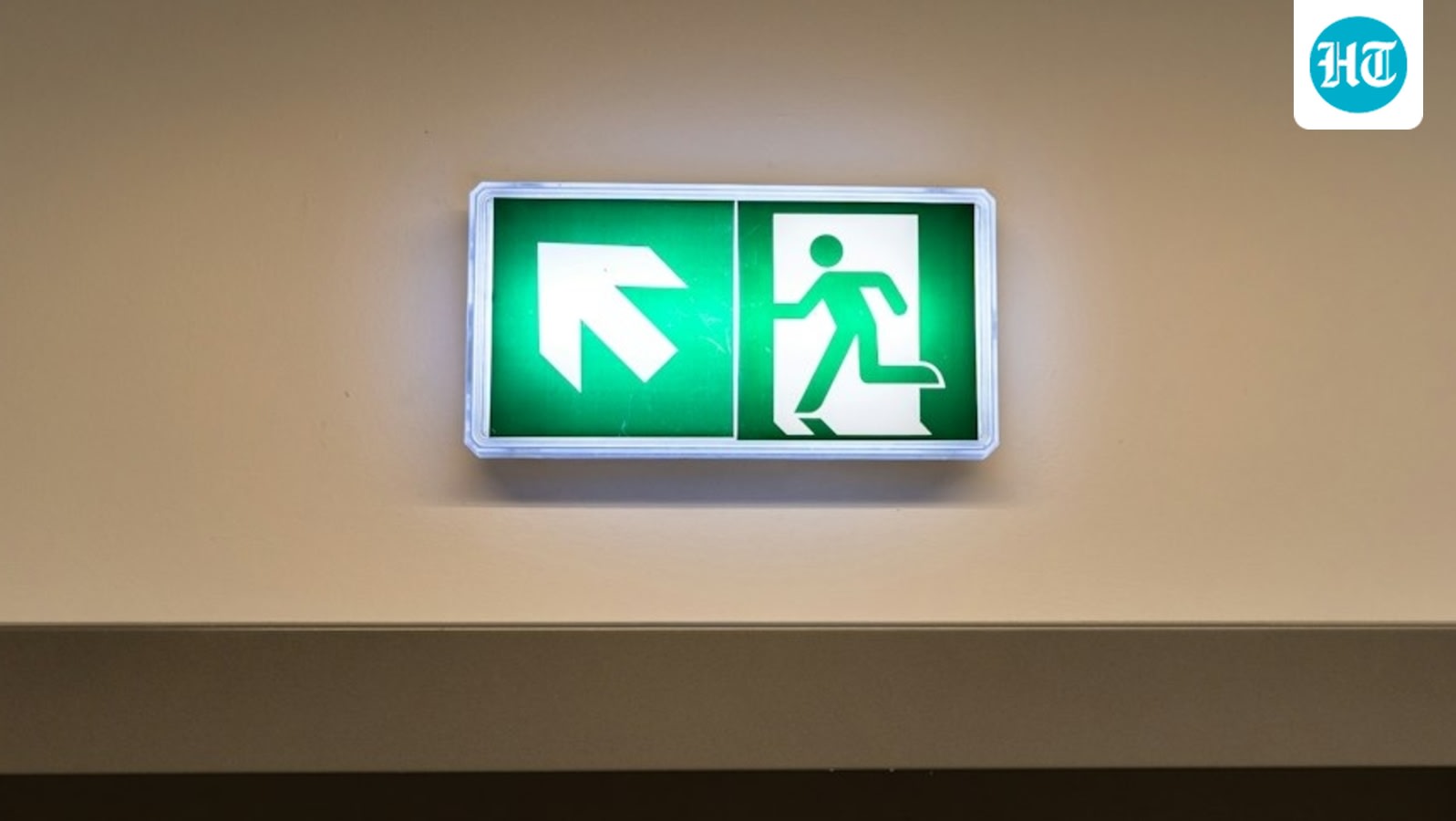
A fire at the Savannah River National Laboratory triggered a site area emergency due to an unfiltered radiological release. Officials confirmed the incident was contained to a single room and poses no threat to the public.
Emergency Response at the Savannah River Site
On the evening of Wednesday, October 28, the Department of Energy’s (DOE) Savannah River Site (SRS) near Aiken, South Carolina, initiated a “site area emergency” protocol. This high-level response was triggered by a fire that broke out within a single room at the Savannah River National Laboratory, resulting in an “unfiltered ground-level radiological release.” The incident, reported at 5:39 p.m., necessitated immediate intervention to contain the hazard and prevent further escalation within the industrial complex.
Understanding the Radiological Incident
While the term "radiological release" can cause immediate public alarm, it is crucial to contextualize the nature of the event. According to site officials, the release was localized to the laboratory environment where the fire occurred. The rapid response from the facility’s internal fire and safety teams ensured that the blaze was extinguished promptly. By containing the incident to a single room, the facility was able to prevent a broader containment breach that could have threatened the integrity of the larger complex.
Public Safety and Containment
One of the most critical aspects of this event is the assurance provided by SRS authorities that there is no danger to the public outside the vast borders of the site. The Savannah River Site spans a significant geographical area, providing a natural buffer between industrial operations and surrounding residential communities. The "site area emergency" designation is a standard operational procedure designed to mobilize resources quickly, even if the actual physical risk remains confined to the facility's interior.
Historical Context of the Savannah River Site
Historically, the Savannah River Site has been a centerpiece of the United States’ nuclear infrastructure since the Cold War era. Originally constructed to produce materials for nuclear weapons, the site has transitioned into a complex hub for environmental cleanup, waste management, and national laboratory research. Because of its history, the facility maintains some of the most stringent safety and emergency protocols in the nation, which were clearly on display during this recent event.
Broader Implications and Future Trends
Incidents like the one on October 28 highlight the ongoing challenges of maintaining aging nuclear and industrial infrastructure. As the Department of Energy continues its mission of environmental remediation and scientific research, ensuring the safety of workers and the surrounding environment remains the paramount objective. Future trends in this sector will likely focus on even more rigorous preventative maintenance and advanced automated fire suppression systems designed to neutralize hazards before they can result in atmospheric releases.
Conclusion
In summary, the incident at the Savannah River National Laboratory serves as a reminder of the complexities involved in managing nuclear-related industrial sites. While the report of a radiological release is serious, the swift containment and the confirmation of no public threat demonstrate the effectiveness of current emergency management frameworks. Moving forward, the DOE will likely conduct a thorough investigation to determine the root cause of the fire, further refining safety protocols to prevent similar occurrences.
Verification Required?