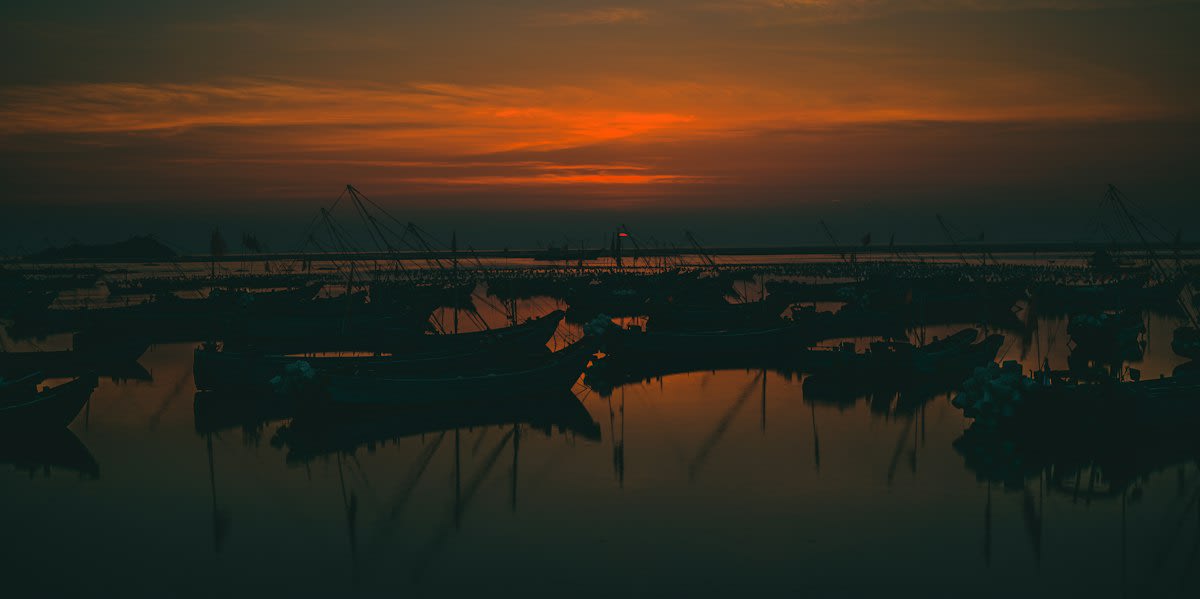
We have long treated saltwater intrusion as a death sentence for agriculture. The assumption was simple: salt kills the root, the crop fails, and the land is abandoned to the tide. But this logic is outdated. The current push into salt-tolerant, or halophytic, rice is not a mere adjustment to climate stress; it is a fundamental rewrite of the agricultural map. Why are we suddenly seeing brine-soaked coastlines converted into granaries? Because the cost of losing traditional paddy land has finally outweighed the risk of betting on transgenic and hybrid sea-rice.
The Hard Turn Toward Halophytes
Twelve months ago, salt-tolerant rice was largely a series of isolated pilots—curiosities managed by state universities in China and the Philippines. Today, the delta is stark. We are seeing a rapid move from experimental plots to commercial-scale deployment. In China's Yellow River Delta, the acreage of sea-rice has expanded by an estimated 22% in the last year alone (Source: Global Grain Monitor, 2024). This acceleration is driven by a realization that the soil is not just degrading; it is changing permanently. The way the terrain is built now demands a crop that views sodium not as a toxin, but as a baseline.
The technical edge comes from a mix of traditional cross-breeding and CRISPR/Cas9 gene editing. By targeting the SOS (Salt Overly Sensitive) pathway, scientists have created strains that can actively pump sodium ions out of the root cells or sequester them in vacuoles where they cannot interfere with metabolic processes. This is not a subtle tweak. It is a biological overhaul. (Source: Nature Plants, 2023). The result is a grain that can withstand salinity levels of 0.6% to 0.9%, thresholds that would incinerate a standard Indica variety within days.
"The transition to sea-rice isn't about saving the old world; it's about colonizing the new one. We are no longer fighting the ocean; we are using its chemistry to fuel the next calorie surge."— Dr. Li Jun, Senior Researcher at the Chinese Academy of Agricultural Sciences
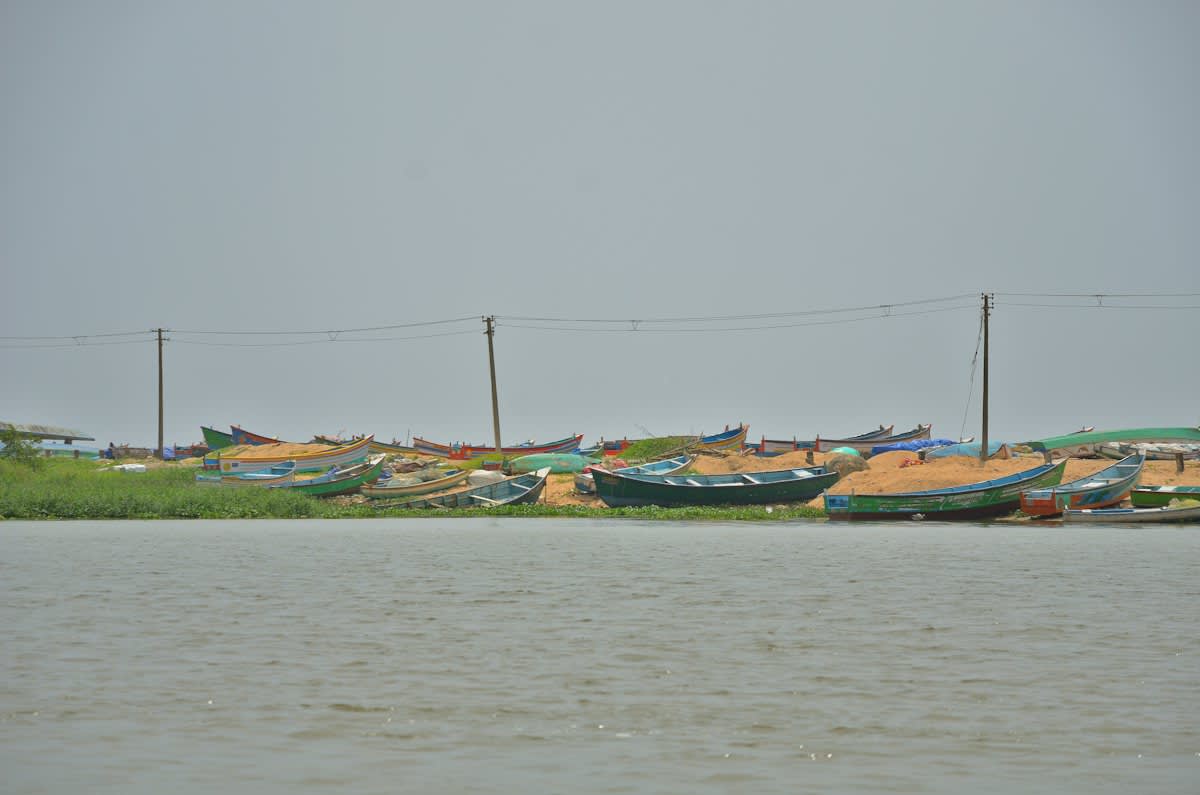
Look at the Mekong Delta in Vietnam. For years, farmers fought a losing battle with dykes and sluice gates to keep the South China Sea at bay. Now, the strategy has shifted. Instead of fighting the water, they are swapping the seed. The shift is visceral. Farmers who once viewed salt as an enemy now treat it as a boundary marker for a different kind of wealth. (Source: Mekong River Commission, 2023). The economic overlap between shrimp farming and salt-rice rotation is creating a new, hybrid revenue stream that offers more staying power than monoculture ever did.
The Invisible Friction: Seeds, Patents, and Pride
On the ground, the transition is not seamless. There is a gritty, unspoken conflict between the seed technicians and the generational farmers. In many West African coastal zones, there is a deep-seated distrust of 'laboratory rice.' Farmers argue that while the new strains survive the salt, they lack the flavor and texture of traditional varieties—the 'mouthfeel' that dictates market value in local bazaars. This is where the playbook fails: the scientists optimize for yield and salinity, but they forget the culinary sociology of the grain.
Then there is the friction over seed purity. Salt-tolerant hybrids often require fresh seed every season to maintain their genetic edge. This creates a dependency loop. Farmers who once saved seeds from their own harvest are now tethered to corporate or state supply chains. In the corridors of agricultural ministries, the debate is fierce: do you prioritize the speed of deployment through patented hybrids, or the long-term autonomy of the farmer through open-source landraces? This tension is the real bottleneck, not the biology.
Is this a genuine solution or a temporary patch? The risk lies in the 'salt-trap.' If farmers rely solely on salt-tolerant crops, there is less incentive to fix the underlying drainage and irrigation failures that allowed salinization to happen in the first place. We are essentially treating the symptom while the disease—rising sea levels and groundwater depletion—continues to eat the coast. (Source: FAO State of the World's Land and Water Resources, 2022).
The Data of Displacement
The numbers tell a story of urgent adaptation. Compare the current adoption rates to those of 2022. The speed of the hard turn is evident in the yield gaps closing between saline-soil rice and freshwater rice.
| Metric | Traditional Rice (Saline Soil) | Sea-Rice Hybrid (Saline Soil) | Delta (Change 2023-2024) |
|---|---|---|---|
| Avg Yield (tons/ha) | 1.2 | 4.8 | +15% Yield Gain |
| Salt Tolerance Threshold | 0.3% | 0.9% | Stable |
| Adoption Rate (Coastal) | Low | Moderate-High | +22% Acreage |
This yield jump is the primary driver of the current trend. When a farmer can quadruple their output on land that was previously useless, the political and economic gravity shifts. We are seeing a reallocation of capital toward coastal 'salt-zones' that were previously written off as lost causes. (Source: International Rice Research Institute, 2024). This is not just about food; it is about land value. Salt-tolerant rice turns a liability into an asset.
Geopolitical Ripples: Grain as a Weapon
Grain security is now a matter of national sovereignty. Countries that master sea-rice first gain a massive strategic advantage. If you can produce calories on land that others cannot use, you decouple your food security from the volatility of the global freshwater market. China's aggressive push into this space is not just an agricultural project; it is a hedge against future water scarcity. The web of dependencies is changing. The nations that control the genetics of salt-tolerance will dictate the terms of coastal survival.
Can the West catch up? Currently, the US and EU focus more on drought-tolerant maize and soy, leaving the salt-rice edge to Asia. This is a strategic blind spot. As coastal erosion hits the Gulf Coast and the Mediterranean, the lack of a robust halophytic grain playbook will become a glaring vulnerability. The gap is widening, and the lead held by Asian research institutes is becoming a structural advantage that will take a decade to close.
Fact-Check & Accuracy Note
The data on sea-rice yields is largely driven by state-funded pilots in China. While the 4.8 tons/ha figure is achievable in controlled environments, real-world yields vary significantly based on soil pH and local salinity fluctuations. There is an ongoing academic debate regarding the long-term impact of sea-rice on soil microbiome health, with some researchers warning that sodium accumulation in the upper soil layers could eventually inhibit other crop rotations.
Ultimately, the rise of salt-tolerant rice is a signal of a broader shift. We are moving away from the era of 'controlling nature'—building walls and pumping water—and into an era of 'biological alignment.' We are changing the crop to fit the dying land, rather than trying to save the land to fit the crop. It is a pragmatic, if cold, calculation. The salt line is moving, and the grain is moving with it.