3 Years After Completion, Rs 9 Crore Madhya Pradesh Bridge Lacks Access Road
Source Entity
NDTV News Search Records Found 1000
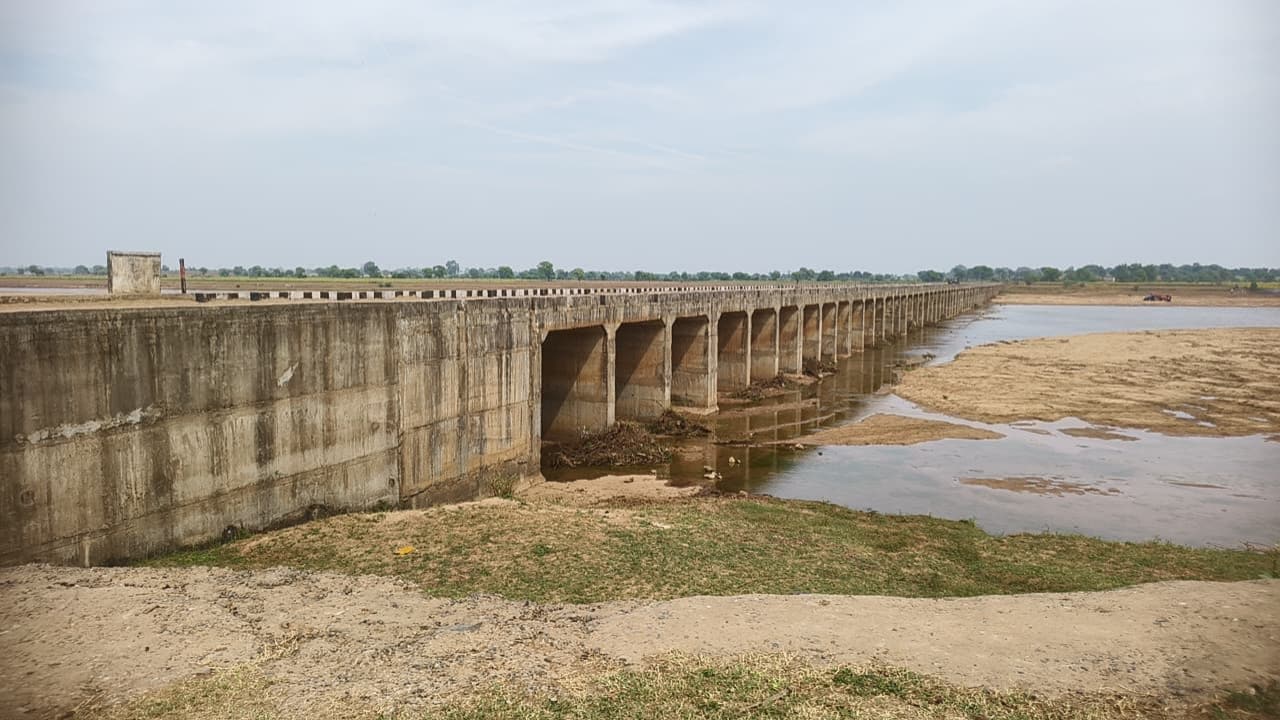
A Rs 9 crore bridge in Madhya Pradesh remains unusable three years after construction due to the absence of access roads. Despite repeated complaints from local residents, authorities have yet to resolve the infrastructure gap.
Infrastructure Stagnation: The Madhya Pradesh Bridge Crisis
In a concerning display of administrative inefficiency, a bridge project in Madhya Pradesh, costing a substantial Rs 9 crore, remains entirely non-functional three years after its structural completion. While the physical span stands as a testament to the capital investment poured into the region, it currently serves no practical purpose for the local community. The absence of access roads renders the bridge a mere concrete monument, highlighting a critical disconnect between project planning and execution.
The Impact of Disconnected Infrastructure
For the residents living in the vicinity of this project, the bridge represents a missed opportunity for economic and social connectivity. Infrastructure projects of this scale are typically designed to bridge gaps in rural or semi-urban transport, facilitating easier access to markets, healthcare, and educational institutions. By failing to construct the necessary access roads, the authorities have effectively trapped the community in the same state of isolation that the project was ostensibly meant to resolve.
Accountability and Administrative Delays
Local residents have reportedly engaged in a sustained effort to bring this oversight to the attention of relevant government authorities. Despite these repeated appeals, the situation persists, indicating a systemic failure in project oversight. When public funds of this magnitude—Rs 9 crore—are utilized, the expectation is a seamless integration of civil engineering components. The fact that the bridge stands isolated suggests a breakdown in inter-departmental coordination or a lack of accountability in the final stages of the development lifecycle.
Historical Context of Infrastructure Gaps
This incident is not an isolated phenomenon in regional development. Historically, India has seen several instances where 'bridge-to-nowhere' scenarios occur due to land acquisition disputes, budget exhaustion, or poor initial planning. These issues often stem from a lack of holistic project management, where the bridge is treated as the primary objective while the peripheral infrastructure, such as approach roads, is relegated to a secondary phase that often faces severe delays or funding freezes.
Broader Implications and Future Outlook
Beyond the immediate frustration of the local population, this case underscores the urgent need for better project auditing in public works. If the state government does not prioritize the completion of the access roads, the bridge itself risks structural degradation from disuse and exposure to the elements. Moving forward, authorities must implement stricter timelines that mandate the concurrent completion of access pathways to ensure that public investment translates into tangible public utility.
Conclusion
The situation surrounding the Madhya Pradesh bridge serves as a stark reminder of the challenges inherent in large-scale infrastructure projects. While the structural integrity of the bridge may be sound, its utility is zero without the vital connections that allow for transit. Until the authorities address the missing access roads, the Rs 9 crore investment remains a dormant asset, underscoring a critical need for more diligent oversight and commitment to project completion.
Verification Required?