After 71-year-old woman makes 3 futile trips, Delhi High Court allows virtual cross-exam
Source Entity
Vineet Upadhyay
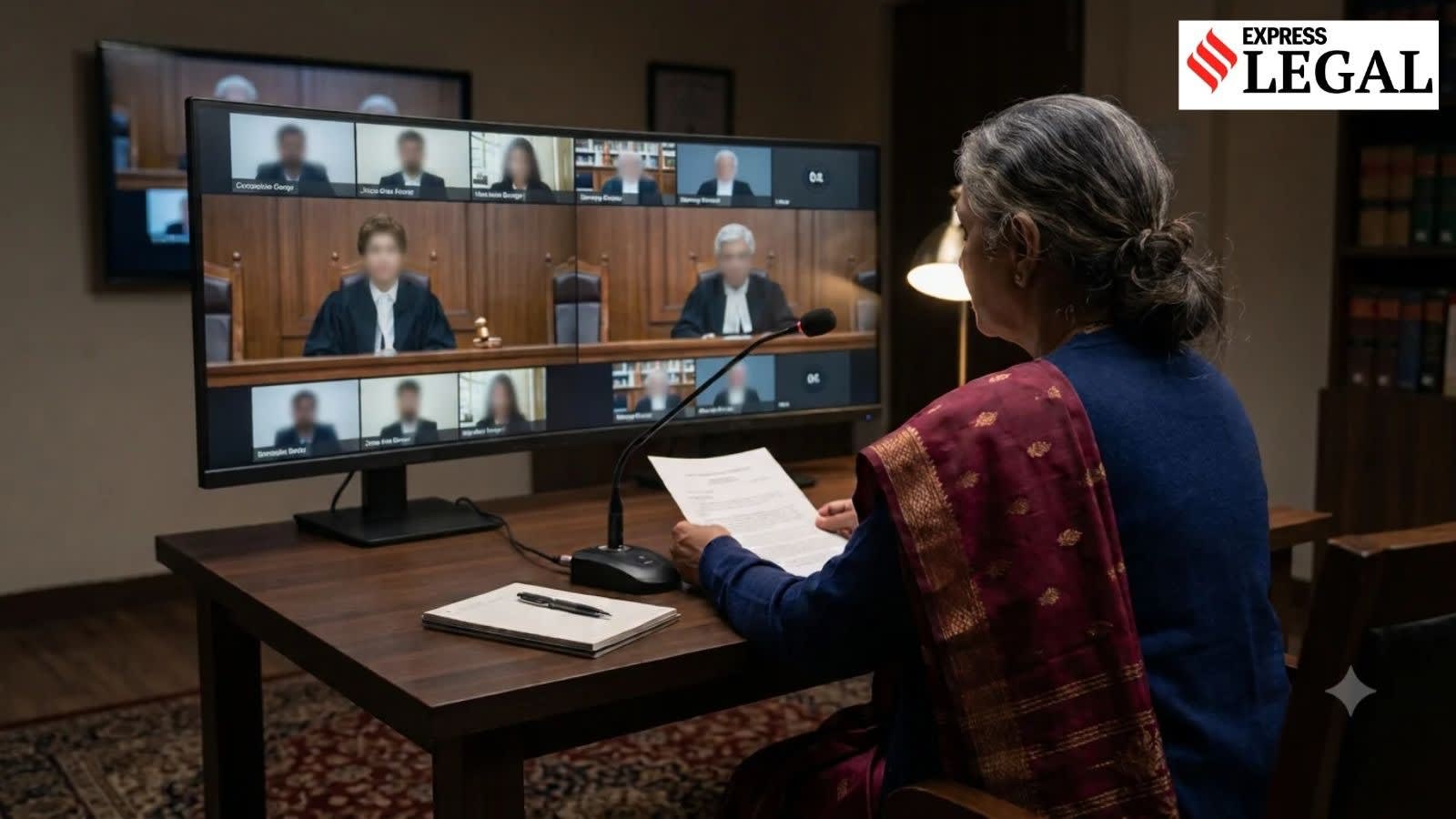
The Delhi High Court has permitted a 71-year-old woman to undergo cross-examination via video conferencing after she made three fruitless trips from Uttarakhand to Delhi. The court's decision prioritizes the witness's health and age, ensuring she avoids further unnecessary travel in a property dispute case.
Judicial Relief for Senior Citizen in Delhi High Court
In a compassionate move reflecting the evolving standards of judicial efficiency, the Delhi High Court has intervened to protect a 71-year-old witness, Krishna Sen, from the undue physical burden of recurring travel. Between November 2024 and July 2025, the petitioner undertook three arduous journeys from Uttarakhand to Delhi to facilitate her cross-examination in a legal dispute involving a deceased person’s will and property. Despite her diligence, these attempts were unsuccessful, leaving the witness to face repeated exhaustion without the closure of her testimony.
The Impact of Procedural Delays
Legal proceedings concerning property and inheritance are notoriously protracted in India. For an elderly witness, the requirement to be physically present for cross-examination can become a significant hurdle, especially when administrative delays or scheduling conflicts lead to repeated, futile trips. The case of Krishna Sen highlights a systemic issue where the lack of coordination or unforeseen procedural delays can inadvertently penalize vulnerable parties, turning a quest for justice into a source of physical and mental distress.
Leveraging Technology for Justice
Justice Swarana Kanta Sharma’s intervention marks a pivotal shift toward the integration of virtual courtrooms. By allowing the cross-examination to occur via video conferencing, the court has acknowledged that the 'best evidence' rule—traditionally demanding physical presence—must be balanced against the health and fundamental rights of the witness. This decision aligns with broader trends in the Indian judiciary to adopt hybrid hearing models that reduce the logistical friction inherent in the traditional legal process.
Prioritizing Witness Welfare
Health-related considerations are increasingly playing a central role in judicial decision-making. The court’s recognition of the doctor’s advice for the 71-year-old to rest underscores a human-centric approach to law. By citing her age and the difficulties associated with long-distance travel from Uttarakhand, the court has established a necessary precedent: that the pursuit of truth in a litigation case should not come at the expense of an elderly witness’s well-being.
Broader Implications for the Legal System
This ruling serves as a broader reminder of the potential for technology to democratize access to justice. As the Indian judiciary continues to modernize, the adoption of virtual testimony for elderly or infirm witnesses could become the standard rather than the exception. This shift not only preserves the sanctity of the legal process but also ensures that the testimony of key witnesses is captured efficiently, preventing the loss of evidence due to delays or the inability of witnesses to travel.
Conclusion: A Path Forward
Ultimately, the Delhi High Court’s decision is a balanced resolution that upholds the integrity of the ongoing property dispute while safeguarding the dignity of the witness. By removing the requirement for physical presence, the court has effectively mitigated the risk of further health complications for Krishna Sen. This case stands as a testament to the necessity of flexible, technology-driven judicial practices in modern litigation.