A seed is more than a biological unit; it is a compressed archive of evolutionary survival. For millennia, farmers from the Andean highlands to the rice terraces of Southeast Asia have curated these archives, selecting for traits that withstand drought, pestilence, and shifting rains. Today, we face a systemic erosion of this genetic wealth. When we rely on a handful of commercial hybrids, we aren't just buying convenience; we are outsourcing our survival to a corporate boardroom. Seed sovereignty is the act of reclaiming that agency. It is the difference between being a consumer of a food system and being a steward of a living legacy.
Building a home seed bank is not about hoarding; it is about strategic resilience. The goal is to create a localized genetic reservoir that can adapt to your specific micro-climate. Commercial seeds are bred for stability in a controlled environment, but the real world is chaotic. By saving seeds from plants that actually thrive in your soil, you are essentially performing a slow-motion dialogue with your land. You are selecting for the grit and resilience that industrial agriculture has spent decades breeding out of our food.
Prerequisites: The Seed Steward's Toolkit
Before you harvest a single pod, you need an infrastructure that prevents the two greatest enemies of seed viability: moisture and heat. Most beginners fail because they treat seed storage like a kitchen pantry. It is not. It is a biological vault. You need materials that provide an absolute barrier against oxygen and humidity, coupled with a systematic way to track the lineage of every grain. If you cannot tell where a seed came from or how it performed in the field, you are not banking seeds; you are collecting curiosities.
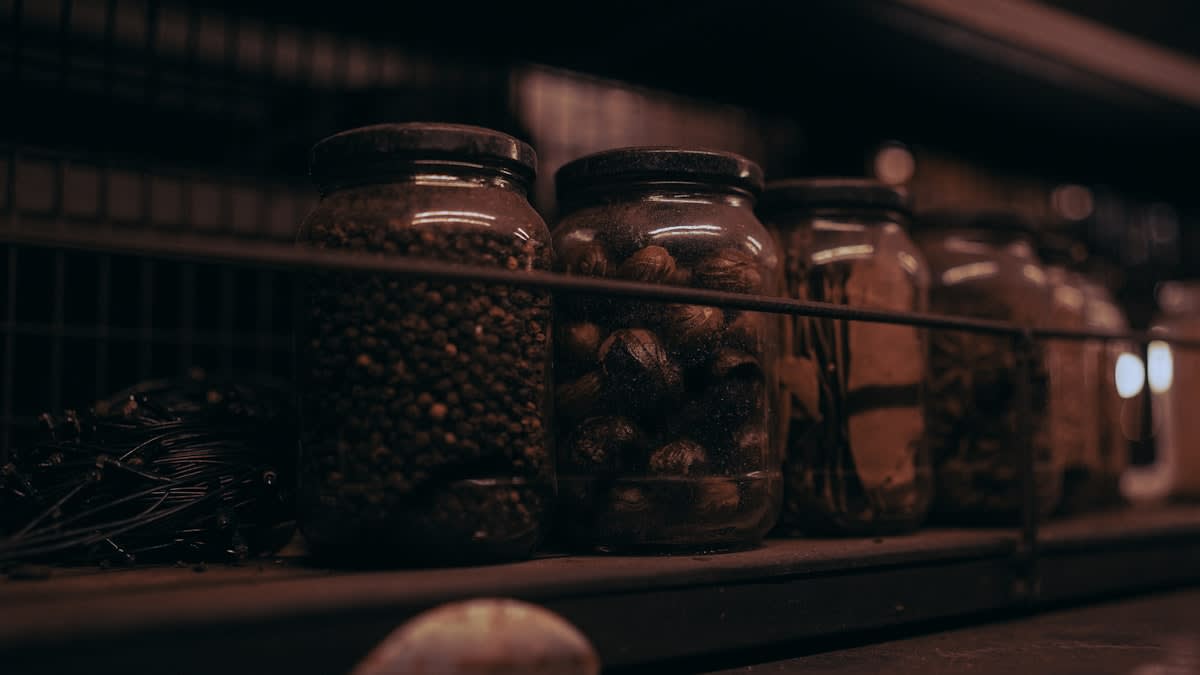
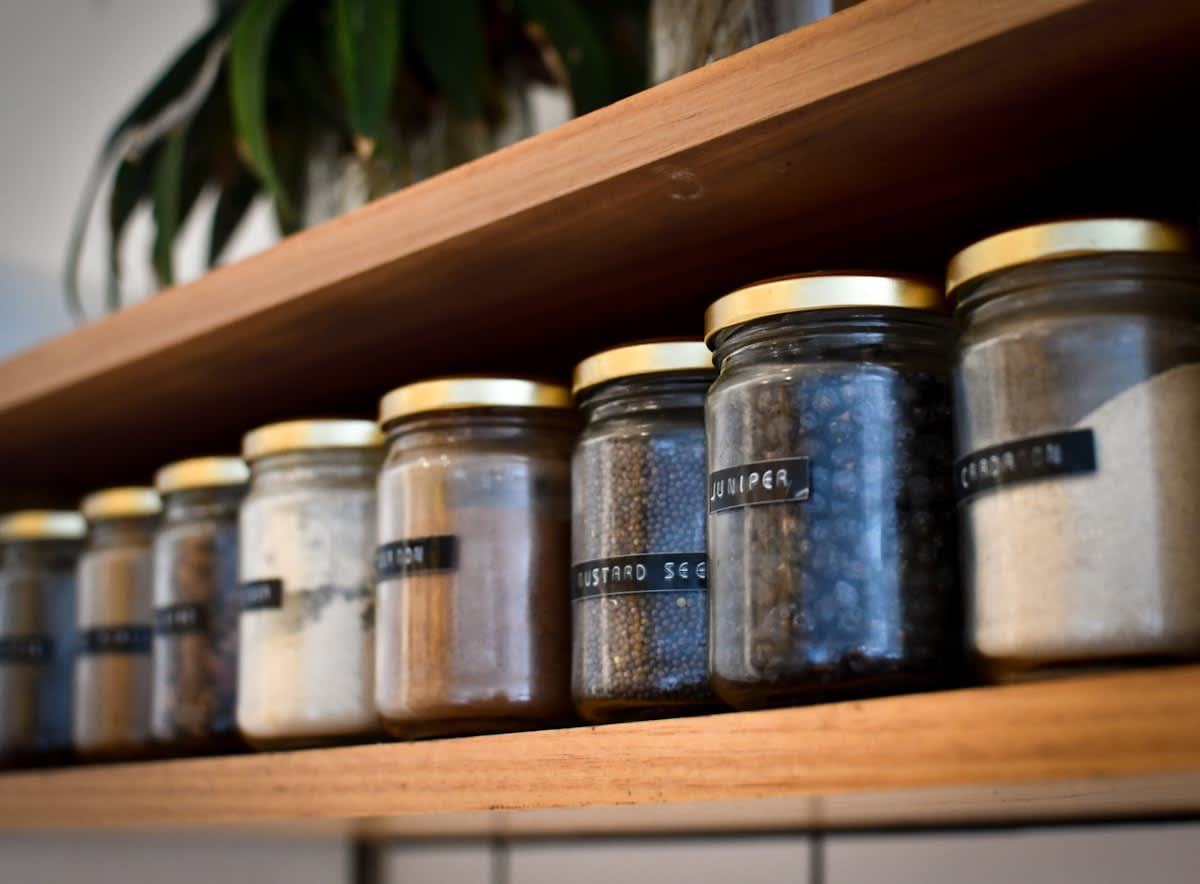
- Airtight Glass Containers: Mason jars with rubber seals are the gold standard for short-to-medium term storage.
- Desiccants: Food-grade silica gel packets or toasted rice to pull residual moisture from the seeds.
- Precision Labels: Acid-free paper and archival ink to prevent fading over decades.
- Cool Storage: A dedicated refrigerator or a dark, temperature-stable cellar (ideally below 10 degrees Celsius).
- Digital Ledger: A spreadsheet or database to track germination rates, harvest dates, and trait observations.
- Screen Sifters: Various mesh sizes to separate chaff and debris from the viable seed.
The Step-by-Step Execution
- Selection and Isolation: Choose open-pollinated or heirloom varieties. Avoid F1 hybrids, as their offspring are genetically unstable. If growing multiple varieties of the same species, use physical barriers or distance them to prevent cross-pollination, which can dilute the traits you are trying to preserve.
- The Harvest Window: Timing is a high-stakes game. Harvest seeds when the fruit is fully ripe or the pod has dried naturally on the plant. For example, let bean pods turn brown and brittle on the vine rather than picking green pods and letting them dry indoors, which can introduce mold.
- Cleaning and Extraction: Remove the seeds from the fruit or pod. For wet seeds (like tomatoes), use a fermentation process—letting them sit in their own pulp for 2-3 days—to break down the germination-inhibiting gel and kill surface pathogens.
- The Critical Drying Phase: This is where most seed banks fail. Seeds must be dried to a moisture content of roughly 5-10%. Spread them in a single layer on screens in a well-ventilated area away from direct sunlight. A seed that feels 'dry' to the touch may still hold enough internal moisture to rot in a sealed jar.
- Sealing and Stabilization: Place dried seeds in glass jars with a silica packet. Ensure the seal is airtight. For long-term storage, vacuum sealing in Mylar bags is the professional choice to eliminate oxygen exposure.
- Cataloging and Rotation: Record the variety, source, harvest date, and any notable performance (e.g., 'highly drought tolerant during July heatwave'). Every 2-3 years, perform a germination test on a small sample. If viability drops below 80%, grow out the seeds to refresh the stock.
Why does this level of rigor matter? Because the margin for error is razor-thin. According to the Food and Agriculture Organization of the United Nations (FAO), the world has already lost an estimated 75% of plant genetic diversity for crops since 1900 (Source: FAO, 2019). When you lose a seed line, you aren't just losing a plant; you are losing a biological solution to a problem we haven't even encountered yet. The precision of your drying and storage process is the only thing standing between a living resource and a jar of dead organic matter.
"Seed sovereignty is not just about saving seeds; it is about the right to define our own food systems and resist the homogenization of life for the sake of profit."— Vandana Shiva, Founder of Navdanya
Transitioning from individual storage to a community network transforms a hobby into a security strategy. A single home bank is a point of failure; a network of home banks is an ecosystem.
The Practitioner's Reality: The Great Adaptation Debate
On the ground, seed savers are currently locked in a fascinating debate: purity versus adaptation. Purists argue that we must maintain the 'original' genetic makeup of an heirloom variety to preserve history. But as a practitioner, I've seen that rigid purity can be a death sentence in a changing climate. If you keep a 19th-century tomato variety exactly as it was, but your region is now 2 degrees warmer and 20% drier, that 'pure' seed will eventually fail. The real work is in 'adaptive selection'—intentionally allowing the seed to evolve by saving only from the plants that survive the harshest years. We are not just curators of a museum; we are breeders of the future.
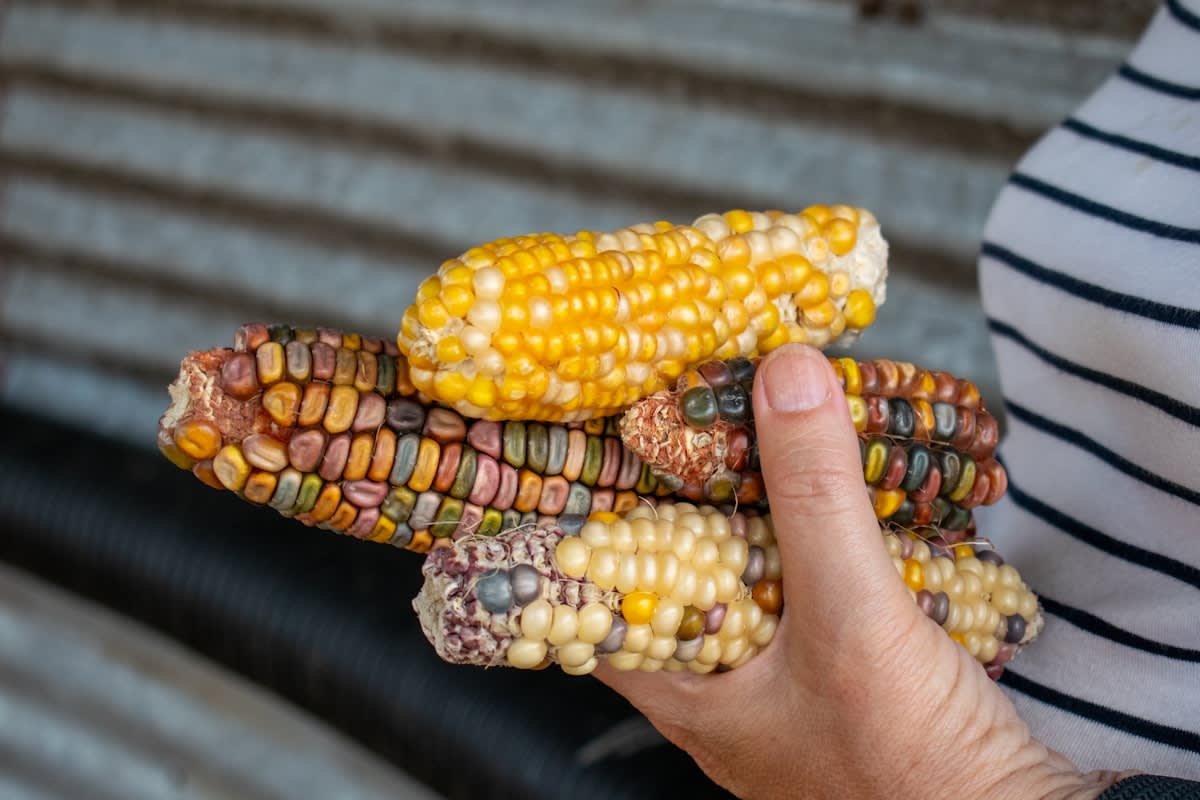
This friction is evident in the way practitioners manage their inventories. Some insist on strict isolation distances to prevent any genetic drift. Others, more pragmatic, embrace 'landraces'—populations of seeds that are genetically diverse within the variety, providing a broader safety net. If one plant in a landrace population succumbs to a new fungus, another likely has the mutation to survive it. This internal diversity is the secret weapon of resilient agriculture.
Common Pitfalls and How to Avoid Them
The most common mistake I see is the 'condensation trap.' This happens when a grower puts seeds in a jar that they think are dry, but are actually slightly damp. When the temperature drops, that moisture condenses on the glass and drips back onto the seeds, triggering premature germination or, more commonly, a catastrophic mold outbreak. Always use a desiccant and, if possible, weigh your seeds before and after drying to ensure the weight has stabilized.
Another frequent error is the 'Hybrid Illusion.' Many gardeners buy seeds labeled 'Heirloom' from big-box stores, only to find the second generation (F2) is a chaotic mess of stunted plants and sterile fruit. This happens because the seed was actually an F1 hybrid. To avoid this, source your seeds from reputable seed banks or trusted community exchanges. If you aren't sure, always run a trial plot with a small percentage of the seeds before committing your entire garden to a mystery variety.
| Storage Condition | Short-Term (1-2 Years) | Medium-Term (3-10 Years) | Long-Term (10+ Years) |
|---|---|---|---|
| Temperature | Room Temp (Cool) | Refrigerator (4C) | Freezer (-18C) |
| Humidity | Low (<50%) | Very Low (<20%) | Absolute Zero |
| Container | Paper/Cloth | Glass/Airtight | Vacuum-Sealed Mylar |
| Viability Risk | High (Pests/Mold) | Moderate (Condensation) | Low (Cellular Damage) |
Fact-Check & Accuracy Note
The key claims regarding the loss of crop diversity are sourced from the Food and Agriculture Organization of the United Nations (FAO). The technical guidelines for seed moisture content (5-10%) and storage temperatures are based on standard botanical preservation protocols used by global seed vaults, including the Svalbard Global Seed Vault. There is ongoing debate in the field regarding the balance between genetic purity and adaptive evolution in home-scale seed saving.