Agricultural competition in tropical zones is no longer a game of sheer acreage but a battle of input efficiency. When American corn growers pay 68% more for seed than their Brazilian counterparts, the structural disadvantage becomes a mathematical certainty. This cost gap, driven by expensive approval processes and limited market competition in the U.S., forces a critical question: how do we maximize the return on every single seed planted? The answer lies in the immediate removal of pathogens and the artificial enhancement of seed vigor before the seed ever touches the soil. By treating the seed as a high-value asset rather than a bulk commodity, producers can offset high input costs through superior germination rates and early-stage resilience.
Prerequisites for High-Vigor Implementation
Before deploying advanced seed treatments, the operational environment must be stabilized to prevent re-contamination. High-yield tropical crops are particularly susceptible to soil-borne pathogens that can neutralize the benefits of expensive seed coatings. Operators must first secure a supply chain that prioritizes seed purity and vigor, acknowledging that the cost of the seed is only one part of the equation. In regions where fungicides cost double the global average, shifting the focus to non-chemical pathogen removal becomes an economic imperative. This requires a move away from broad-spectrum chemical applications toward targeted, technology-driven treatments.
- Verified seed stock with documented germination baselines.
- Access to non-chemical pathogen removal systems, such as DriPrime technology.
- Precision application equipment capable of integrating bio-adjuvants.
- Soil analysis reports focusing on weed seed banks and harmful soil pests.
- A monitoring protocol to track bushel-per-acre advantages post-treatment.
Why focus on the seed stage? Because the first fourteen days of growth determine the ultimate yield ceiling. In double-crop soybean production, for example, the window for success is razor-thin. Using treated seeds, such as Beck's Escalate, has demonstrated a 2.8-bushel-per-acre advantage over untreated alternatives. This delta is not merely a statistical fluke; it is the result of protecting the seed and ensuring a rapid start. When the frost-free season is short or the tropical humidity is oppressive, this early-stage advantage becomes the difference between a profitable harvest and a total loss.
Executing the Treatment Sequence
- Pathogen Eradication: Deploy DriPrime technology to remove surface and internal pathogens without compromising the seed embryo. This step replaces heavy chemical loads with a precision treatment designed to protect plants from the beginning.
- Vigor Optimization: Apply treatments that trigger early metabolic activation. The goal is to reduce the time between planting and emergence, minimizing the window of vulnerability to soil pests.
- Bio-Adjuvant Integration: Incorporate bio-based formulations to improve the efficiency of any remaining crop protection products. These adjuvants ensure that the treatment adheres to the seed coat and resists leaching during the first irrigation cycle.
- Environmental Calibration: Adjust treatment intensity based on the specific climate. For instance, in areas with frozen soils or high pest banks, consider complementary technologies like microwave treatments to kill weed seeds in the soil bank.
- Deployment and Monitoring: Plant treated seeds using precision equipment and track the emergence rate against a control group of untreated seeds to verify the vigor lift.
The integration of DriPrime technology represents a departure from traditional seed dressing. Rather than adding a layer of chemicals that may degrade or leach, this approach focuses on the removal of inhibitors and pathogens. This is particularly vital for innovators backed by venture funds like Chipotle's Cultivate Next, who are looking to build more resilient food systems. By cleaning the seed at a molecular or surface level, the plant is not just protected; it is optimized for growth. This removes the reliance on the 'chemical shield' and instead leverages the seed's own biological potential.
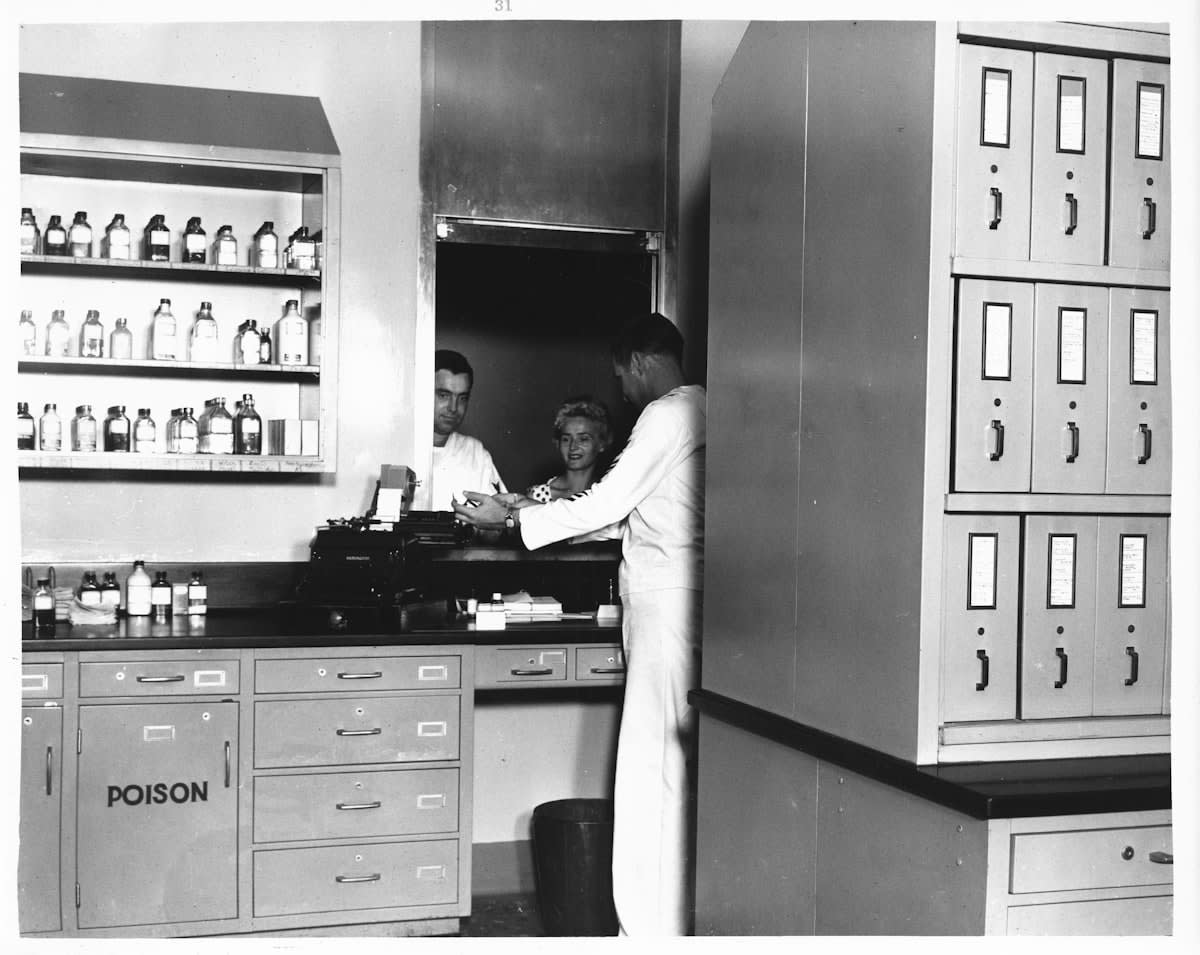
"Together, these companies demonstrate how innovation is reshaping agriculture, sustainability, supply chains and the guest experience, creating new opportunities to build a more resilient food system."— Curt Garner, President and Chief Strategy and Technology Officer at Chipotle
Quantifying the Economic Advantage
The financial justification for investing in advanced seed treatment is found in the input cost disparity. In the United States, the cost of corn seed and associated fungicides is significantly higher than in Brazil. When fungicides cost more than double and common chemicals like glyphosate are 35% higher, the margin for error disappears. A seed treatment that increases yield by even a few bushels per acre—as seen with the 2.8-bushel lift in soybeans—can neutralize the impact of these inflated input costs. The objective is to move the cost center from 'maintenance' (spraying chemicals) to 'preparation' (treating the seed).
| Input Category | U.S. Cost Premium | Impact on Tropical Yield |
|---|---|---|
| Corn Seed | 68% higher than Brazil | High risk of loss without vigor treatment |
| Fungicides | Over 100% higher | Increases dependency on seed-level protection |
| Glyphosate | 35% higher | Necessitates better weed seed bank management |
| Treated Seed Yield | +2.8 bushels/acre (Soy) | Direct offset of input cost premiums |
This data suggests that the competitive edge in global agriculture is shifting toward those who can optimize the seed before it enters the ground. If a Brazilian farmer can achieve similar yields with 68% lower seed costs, the U.S. farmer must find efficiencies elsewhere. Precision treatment is that efficiency. By eliminating the need for repeated fungicide applications and ensuring a faster start, the producer reduces the total cost per bushel, regardless of the initial seed price.
Integrating Bio-Adjuvants for Sustainable Protection
The final layer of a professional seed treatment strategy is the application of bio-adjuvants. These are not pesticides but formulation technologies that enhance the delivery and effectiveness of crop protection products. As global agriculture faces stricter environmental regulations, the rise of bio-adjuvants allows for lower chemical volumes without sacrificing efficacy. This is critical in tropical regions where heavy rainfall can quickly wash away traditional seed coatings. Bio-adjuvants ensure that the protection stays on the seed, reducing environmental runoff and lowering the total volume of chemicals required per hectare.
The Bio-Adjuvant Edge
The shift toward bio-based formulations is driven by rising production costs and the need for regenerative farming systems. Precision application is no longer optional; it is a requirement for regulatory compliance in 2026.
When combined with DriPrime's pathogen removal, bio-adjuvants create a synergistic effect. The seed is first cleaned of harmful agents and then coated with a high-efficiency, sustainable layer of protection. This two-step process ensures that the seed is not only healthy but also equipped to survive the volatile conditions of tropical soils. This approach transforms the seed from a passive biological unit into a precision-engineered tool for yield maximization.
Common Pitfalls in Seed Treatment
One of the most frequent errors is the over-reliance on chemical fungicides as a substitute for seed vigor. Many operators attempt to 'spray their way out' of poor germination, ignoring the fact that a seed with low vigor will never reach its genetic yield potential, regardless of how many pathogens are killed in the soil. The focus must remain on the seed's internal health and its ability to emerge rapidly. Treating the symptoms (pathogens) without addressing the cause (low vigor) is a recipe for stagnant yields.
Another critical failure is the neglect of the soil seed bank. While treating the seed is paramount, ignoring the existing weed seeds and pests in the soil can undermine the entire operation. Technologies like WinterLeap's microwave treatments provide a necessary complement by cleaning the soil environment. A high-vigor seed planted in a high-pest soil environment is still at risk. The most successful operations synchronize seed treatment with soil management to create a sterile, high-opportunity environment for the crop.
Finally, failing to monitor the 'delta'—the actual difference between treated and untreated yields—leads to a lack of optimization. Producers often adopt new technologies without establishing a baseline. To truly master seed treatment, one must track the specific bushel-per-acre advantage and correlate it with the cost of the treatment. Only through this clinical approach can a producer determine if the 2.8-bushel lift seen in soybean trials is being replicated in their own tropical context.