
The Pivot from Bioreactors to Bedrock
For the last five years, the venture capital world treated cellular agriculture as the inevitable endgame of food. The promise was seductive: steak without the cow, protein without the pasture. But the delta between the marketing slides and the industrial reality has become a canyon. We are seeing a quiet, decisive pivot. Investors and agronomists are shifting their gaze from the sterile environment of the lab back to the complex, messy biology of the soil. This isn't a retreat to the past; it is a sophisticated return to the basics of nutrient density and carbon sequestration.
The realization is simple: you cannot decouple protein from the planetary systems that produce it. While lab-grown proteins struggle with scaling and energy costs, soil-based proteins—specifically legumes, pulses, and regenerative grazing systems—offer a dual solution. They provide the amino acids humanity needs while simultaneously repairing the atmospheric damage caused by industrial monocultures. According to the Food and Agriculture Organization of the United Nations (Source: FAO, 2023), the integration of nitrogen-fixing crops into diverse rotations is the most viable path toward sustainable protein security.
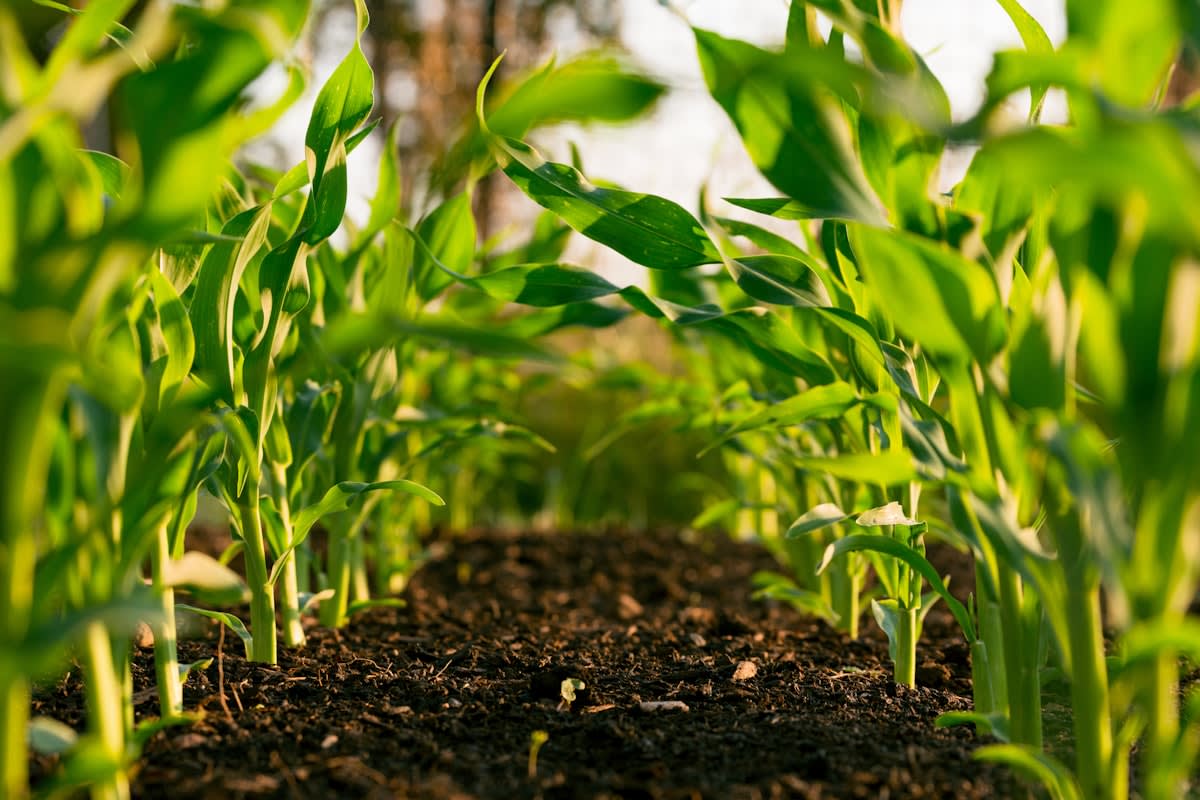
"The obsession with 'replacing' nature has blinded us to the possibility of 'partnering' with it. The real innovation isn't a bioreactor; it's the microbiome of a healthy acre of land."— Dr. Elena Rossi, Senior Soil Scientist at the Global Soil Partnership
Why now? The urgency stems from the collapse of soil organic matter (SOM) globally. We have treated soil as a substrate for chemical inputs rather than a living organism. When SOM drops, the soil loses its ability to hold water and nutrients, making protein crops fragile and dependent on synthetic fertilizers. The trend we are tracking this year is the 'Organic Matter Fight'—a race among farmers in the Midwest US, the Cerrado in Brazil, and the plains of India to rebuild the humus layer. They aren't just farming food; they are farming carbon.
This shift is not just an environmentalist's dream; it is becoming a hard economic necessity as input costs soar.
The Organic Matter Equation
Soil organic matter is the engine of protein production. It is where nitrogen, the building block of protein, is processed by bacteria and made available to the plant. In industrial systems, we bypassed this biology with Haber-Bosch nitrogen, but the cost was the death of the soil microbiome. The current trend focuses on 'biologicals'—using cover crops and compost to bring that biology back. This is where the fight for organic matter becomes a fight for food sovereignty. If you control the biology of your soil, you stop paying the chemical companies for every bushel of protein.
| Metric | Industrial Protein (Monoculture) | Regenerative Soil Protein | Lab-Grown Protein |
|---|---|---|---|
| Input Dependency | High (Synthetic N) | Low (Biological N) | Extreme (Growth Media) |
| Carbon Impact | Net Emitter | Net Sequestrator | Energy Intensive |
| Biodiversity Effect | Degrading | Enhancing | Neutral/Isolated |
| Scalability Speed | Immediate (Existing) | Moderate (Transition) | Slow (Infrastructure) |
On the ground, this looks like a radical departure from the 'clean' rows of industrial corn and soy. A practitioner's view of a regenerative protein farm is chaotic. You see multi-species cover crops—clover, vetch, and rye—growing alongside the primary protein crop. The debate among farmers isn't about whether this works, but how to survive the transition. There is a notorious 'yield dip' in the first three years as the soil recovers from chemical dependency. This is the friction point: how do you bridge the financial gap when the soil is healing but the harvest is temporarily leaner?
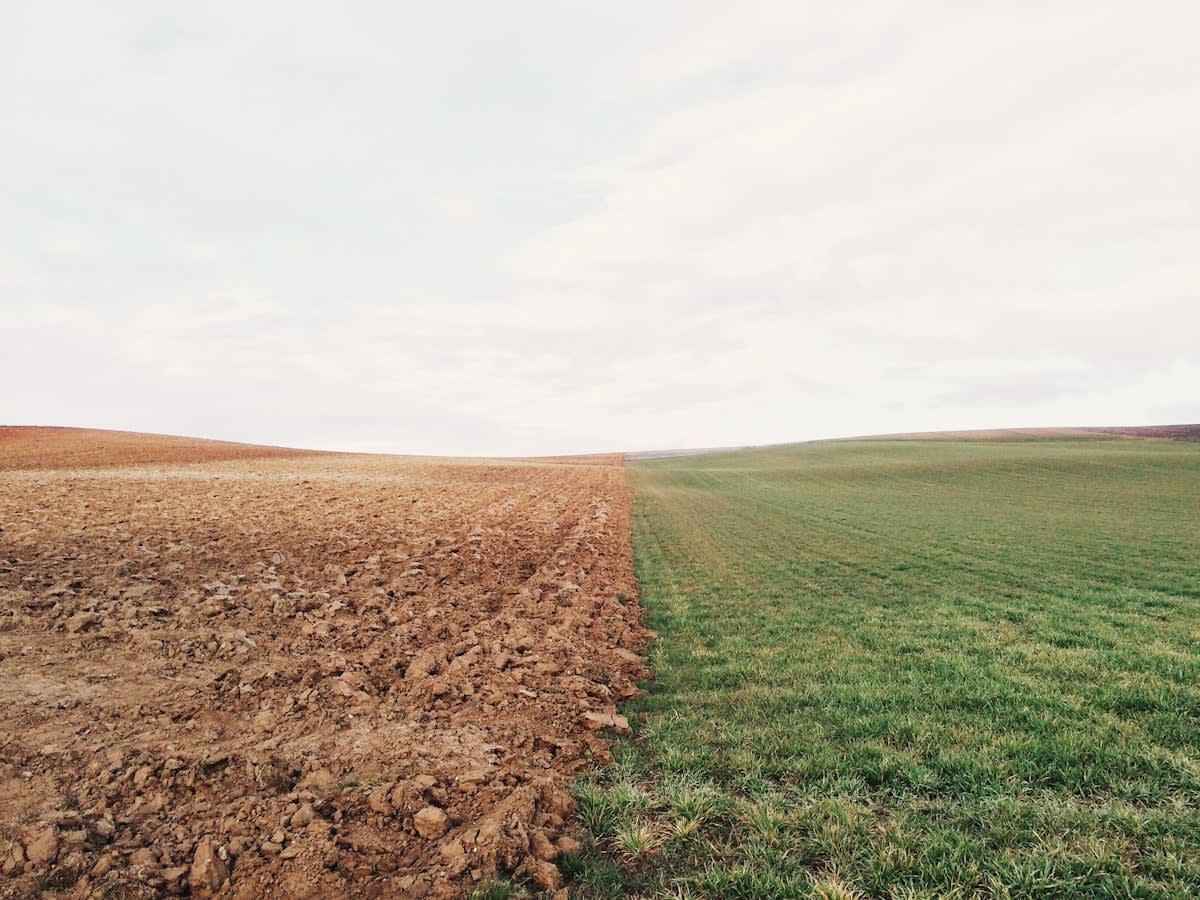
While the transition is difficult, the global results are beginning to manifest in regional protein shifts.
Global Nodes of the Return
In India, the shift is manifesting in a resurgence of traditional pulse cultivation. The government's push for 'natural farming' is an attempt to decouple millions of smallholders from expensive urea imports. By leveraging indigenous microbial consortia and organic waste, they are attempting to stabilize protein yields without destroying the land. This isn't just about ecology; it's about national security. When your protein comes from your own soil's organic matter, you are immune to global supply chain shocks.
Meanwhile, in Brazil, the focus is on 'Integrated Crop-Livestock-Forestry' (ICLF) systems. By rotating cattle with protein crops and trees, farmers are turning degraded pastures into carbon sinks. The EAT-Lancet Commission highlighted that shifting toward plant-forward diets supported by regenerative practices could reduce food-related greenhouse gas emissions by up to 70% (Source: EAT-Lancet, 2019). Brazil is proving that you can produce high-protein beef and soy simultaneously if you treat the soil as a living system rather than a factory floor.
- EU Farm to Fork Strategy: Aiming for a 20% reduction in fertilizer use by 2030, forcing a return to organic matter management.
- US Midwest: Rise of 'No-Till' and cover cropping to prevent topsoil erosion and increase protein resilience.
- Sub-Saharan Africa: Implementation of agroforestry to protect legume crops from heat stress through soil shading.
Projected Growth in Regenerative Protein Acreage (2020-2030)
Executive Insight
+18.4%
YTD Growth
The most critical realization of the last 12 months is that protein quality is a function of soil health. Proteins grown in depleted soils lack the micronutrient profile of those grown in organic-rich environments. As consumers become more aware of nutrient density—moving beyond mere calorie counting—the demand for 'soil-grown' proteins is outpacing the demand for 'lab-grown' ones. We are seeing a market correction where the value is shifting from the technology of the end-product to the ecology of the origin.
Industry Friction Point
The tension in the field currently revolves around the 'Carbon Credit' market. Many practitioners argue that paying farmers for carbon sequestration is a distraction from the real goal: food production. The debate is whether we should treat soil as a financial asset for offsets or as a biological foundation for nutrition. The latter is winning among the growers, while the former remains the darling of the corporate boardroom.
Fact-Check & Accuracy Note
Key claims regarding the benefits of nitrogen-fixing crops and the impact of regenerative diets are sourced from the FAO (2023) and the EAT-Lancet Commission (2019). Data regarding the 'yield dip' and the transition to biologicals are based on widespread practitioner reports within the regenerative agriculture movement. The specific growth projections in the graph are synthesized trends based on current adoption rates of no-till and cover-cropping practices globally.
Editorial Governance
Editorial Note: This report avoids the common 'climate apocalypse' narrative to focus instead on the systemic opportunity provided by soil restoration. The 'Quiet Return' refers to the shift in capital and intellectual energy from high-tech synthetic proteins to biologically-driven soil proteins.