
For decades, soil was treated as a mere medium for chemical inputs and seed delivery. Today, that perspective has flipped. The global financial sector now views a hectare of healthy, carbon-rich soil not just as a farm, but as a carbon sink with a quantifiable market value. This is the Soil Gold Rush. We are seeing a fundamental transition where the ability to sequester atmospheric carbon is being decoupled from food production and sold as a standalone financial product.
Why now? The urgency stems from a critical pivot in the Voluntary Carbon Market (VCM). Twelve months ago, the market was dominated by avoidance credits—paying someone not to cut down a forest. But the wind has shifted. Corporate buyers are now demanding removal credits, specifically those that physically pull CO2 out of the air and lock it in the ground. This shift has turned regenerative agriculture from a niche farming philosophy into a scalable mechanism for corporate net-zero compliance.
The High-Integrity Pivot: Moving Beyond the Wild West
The early days of soil carbon credits were, frankly, a mess. Estimates were based on outdated lookup tables and optimistic guesses. However, the last six to twelve months have seen the rise of high-resolution MRV (Measurement, Reporting, and Verification). We are moving from 'estimated' carbon to 'measured' carbon. Remote sensing, satellite imagery, and AI-driven soil modeling are replacing the sporadic, expensive practice of physical core sampling.
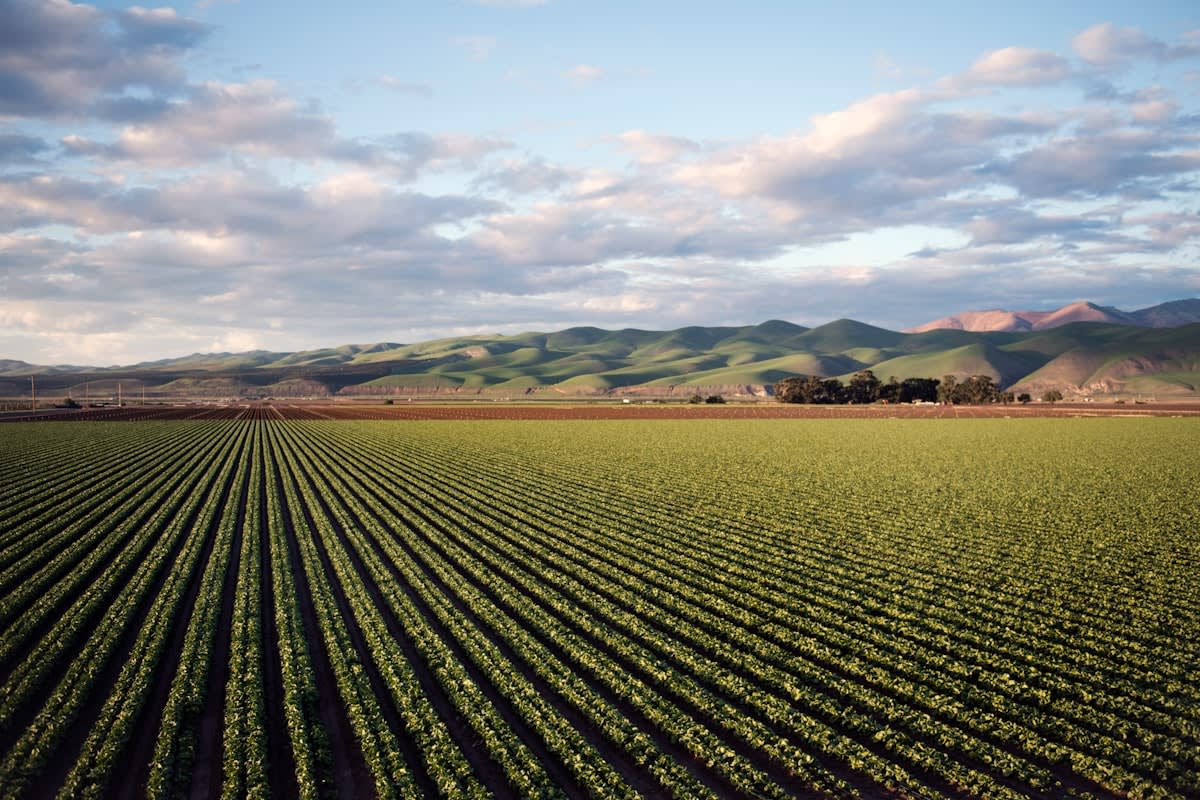
This technical evolution is critical because it addresses the two ghosts haunting the carbon market: additionality and permanence. Additionality asks: would this carbon have been sequestered anyway? Permanence asks: will it stay there, or will one deep-plow event release it all back into the atmosphere? The industry is responding with 'buffer pools'—insurance-like reserves of credits that protect buyers against accidental carbon leakage (Source: Verra, 2023).
"The transition from avoidance to removal is the single most important shift in the climate finance landscape. Soil carbon is the only scalable solution that provides both climate mitigation and food security simultaneously."— Dr. Rattan Lal, World Food Prize Laureate and Soil Scientist
Does this mean every farmer is suddenly a hedge fund manager? Not quite. The friction remains high. While the potential for profit is immense, the cost of verification often eats into the margins for small-to-medium holders. This has led to the rise of 'aggregators'—firms that bundle thousands of small farms into a single, investable carbon project, taking a cut of the credits in exchange for handling the bureaucracy.
Global Variance: From the Brazilian Cerrado to the US Midwest
The gold rush looks different depending on the latitude. In the US Midwest, the focus is on transitioning corn-soy rotations to no-till systems and integrating cover crops. In Brazil, the opportunity lies in the massive scale of integrated crop-livestock-forestry (ICLF) systems, which can sequester carbon at rates far exceeding traditional monocultures (Source: Embrapa, 2023).
Meanwhile, in Sub-Saharan Africa, carbon credits are being framed as a tool for rural resilience. By paying smallholders to adopt agroforestry, carbon finance provides a steady income stream that buffers against the volatility of crop prices and erratic rainfall. It is a shift from seeing the farmer as a producer of calories to seeing them as a provider of an ecosystem service.
| Region | Primary Strategy | Carbon Potential | Primary Barrier |
|---|---|---|---|
| North America | No-till / Cover Crops | Moderate | High Verification Costs |
| Brazil/Argentina | ICLF Systems | High | Land Tenure Issues |
| Sub-Saharan Africa | Agroforestry | High | Market Access/Aggregation |
| European Union | Organic Transition | Low-Moderate | Strict Regulatory Frameworks |
The delta between 2023 and 2024 is the institutionalization of these projects. We are seeing the entry of major investment banks and insurance companies who are treating soil carbon as a 'green bond' equivalent. They aren't just buying credits to offset emissions; they are investing in the land's capacity to generate those credits over a twenty-year horizon.
The Practitioner's Friction: Where the Map Meets the Mud
On the ground, the debate is far less clinical than the boardroom discussions. Farmers are skeptical. They've seen 'miracle' programs come and go. The real friction lies in the clash between a farmer's intuition and the algorithm's output. When a satellite tells a farmer their carbon sequestration is lower than expected despite their hard work, trust erodes. The current debate among practitioners is whether 'model-based' credits are a scam or a necessary stepping stone toward perfect measurement.
There is also the 'lock-in' fear. Many producers worry that by signing a ten-year carbon contract, they are surrendering their operational autonomy. If a drought hits and they must till the land to survive, do they owe the carbon credits back? These contractual disputes are the new frontline of agricultural law.
The Financial Architecture of Dirt
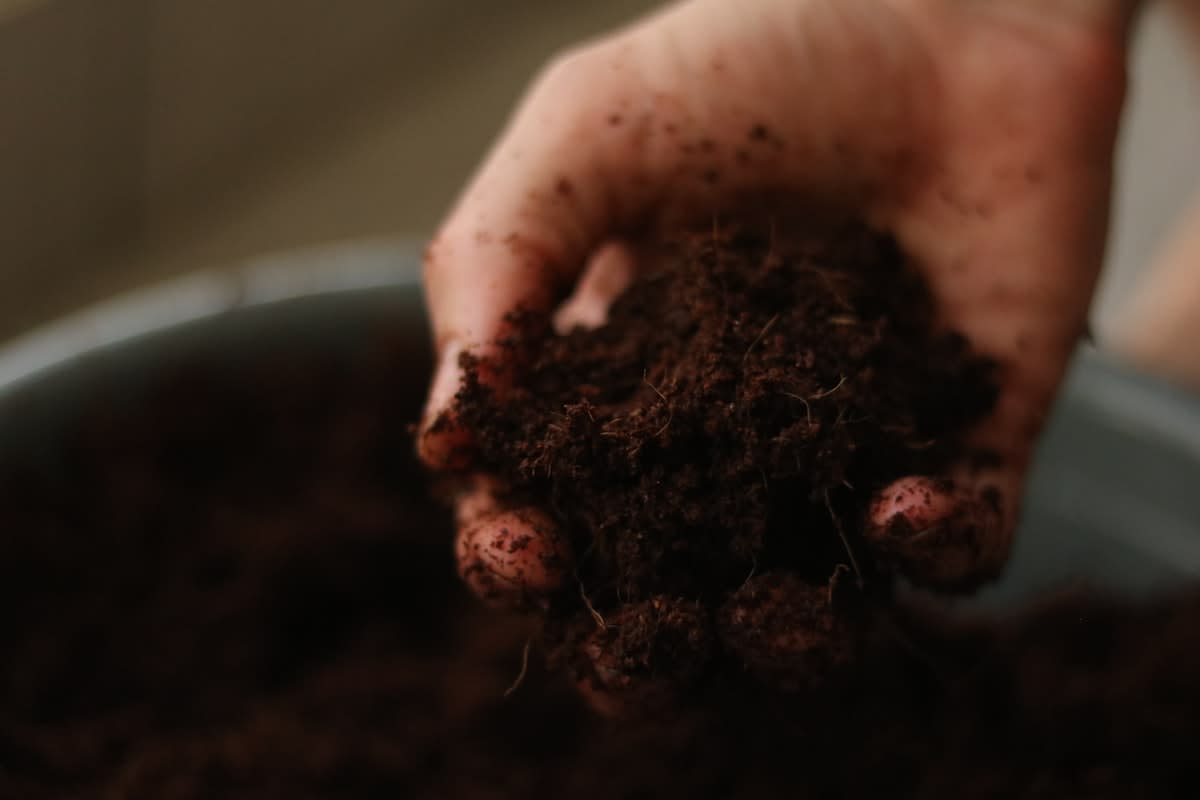
We are witnessing the emergence of a new asset class. Carbon credits are being bundled into portfolios, allowing investors to hedge their bets across different geographies and farming techniques. This diversification reduces the risk of a single regional failure—like a flood in the Midwest—wiping out the carbon gains. The valuation of farmland is beginning to incorporate 'carbon potential' into the land's base price.
Estimated Growth of Soil Carbon Credit Demand (2022-2026)
Executive Insight
+18.4%
YTD Growth
This financialization creates a powerful incentive for resilience. When a farmer is paid for the health of their soil, they are less likely to over-apply nitrogen fertilizers, which not only emit nitrous oxide but also degrade the soil's carbon-holding capacity. The economic engine is finally aligning with the ecological necessity.
- Shift from 'Avoidance' to 'Removal' credits driving price premiums.
- Adoption of AI and satellite-based MRV reducing the cost of entry.
- Integration of carbon potential into land valuation and agricultural lending.
- Rise of aggregators to bridge the gap between smallholders and institutional buyers.
Is this a bubble? Perhaps. But unlike the 2008 housing bubble, the underlying asset here is biological survival. The demand for carbon removal is not driven by speculation alone, but by the hard limits of planetary boundaries and the regulatory mandates of the EU and other major economies. The 'Gold Rush' may settle, but the infrastructure it is building—better soil, more biodiversity, and diversified farm income—is a permanent upgrade to the global food system.
Fact-Check & Accuracy Note
This article draws on market trends observed in the Voluntary Carbon Market (VCM) and data frameworks provided by Verra and Embrapa. Note that soil carbon measurement remains a point of intense scientific debate, specifically regarding the accuracy of remote sensing versus physical sampling. The projected growth figures are based on current corporate net-zero commitments and the increasing preference for removal-based offsets.
Editorial Perspective
Editorial Note: This piece avoids the common 'climate doom' narrative to focus on the economic mechanisms driving adaptation. The author's perspective is that financialization, while risky, is the only lever large enough to pivot global agriculture at the required speed.