'In deep opposition to, but...': Zohran Mamdani on RSS chief Mohan Bhagwat’s upcoming rally in New York
Source Entity
Latest News: Todays Latest News Headlines from India & World | Hindustan Times | Hindustan Times
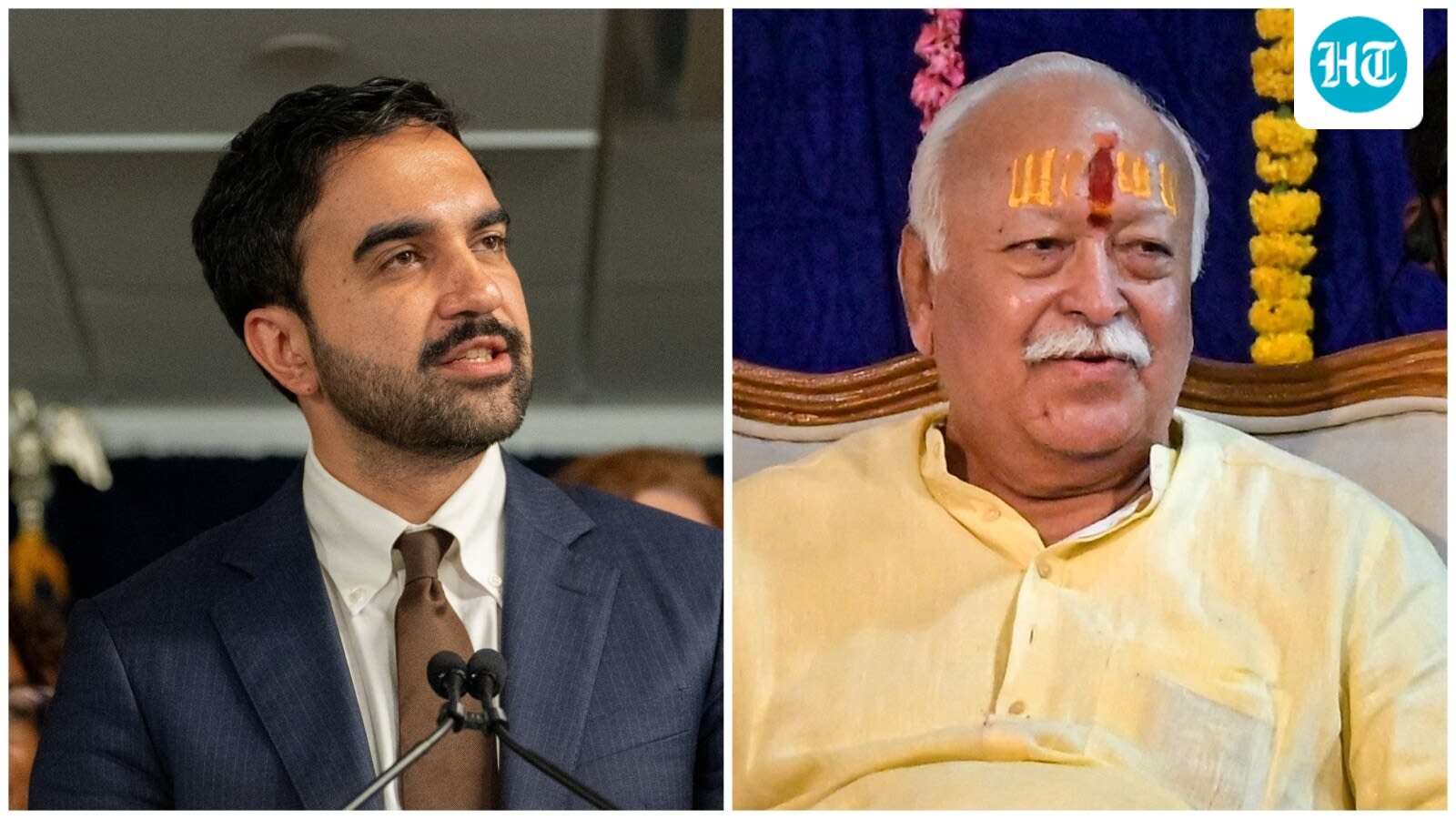
New York City Mayor Zohran Mamdani has voiced opposition to an upcoming event featuring RSS chief Mohan Bhagwat at Madison Square Garden. Despite local protests under the 'No Platform for Hate' banner, the city faces legal limitations in canceling the private gathering.
Tensions Rise Over RSS Chief’s Madison Square Garden Appearance
On August 25, 2026, a coalition of diverse faith and advocacy groups, led by the Indian American Muslim Council (IAMC), convened in New York City to stage a protest titled “No Platform for Hate.” This movement directly targets an upcoming event scheduled for August 29 at the iconic Madison Square Garden (MSG), which is set to feature Rashtriya Swayamsevak Sangh (RSS) chief Mohan Bhagwat. The protest highlights deep-seated ideological divides within the Indian diaspora, as representatives from Muslim, Hindu, Sikh, Christian, and Dalit organizations united to express their firm opposition to the platforming of Mr. Bhagwat in a major American venue.
The Charges Against the RSS
The protesters have characterized the RSS as an “anti-minority” organization and labeled Mr. Bhagwat as a proponent of “Hindu supremacist ideology.” By urging city officials to intervene, these groups aim to frame the event not merely as a private assembly, but as an endorsement of values that they argue contradict the inclusive and pluralistic fabric of New York City. The use of MSG, an internationally recognized cultural stage, has become a focal point for these activists who contend that such high-profile venues should not be utilized to promote ideologies they deem violent or exclusionary.
Mayor Mamdani’s Stance and Legal Constraints
New York City Mayor Zohran Mamdani has publicly clarified his position on the matter, stating that he does not support the rally. Drawing on his personal heritage, Mayor Mamdani emphasized a vision of India rooted in a “pluralistic society” and a “secular republic.” However, the Mayor also acknowledged a critical reality of municipal governance: the potential lack of jurisdiction to cancel a private event. This creates a complex tension between political sentiment and the legal protections afforded to private organizations under U.S. constitutional frameworks regarding assembly and expression.
Context of the Centenary Outreach
The visit by Mr. Bhagwat is part of a broader global outreach program marking the centenary year of the RSS. The organization, which has long maintained a significant presence in India, is currently seeking to solidify its influence among the Indian diaspora abroad. The scheduled “Universal Oneness” program at MSG is expected to attract approximately 5,000 attendees, underscoring the massive logistical and ideological influence the organization wields within segments of the Indian-American community.
Broader Implications for the Diaspora
This standoff at Madison Square Garden reflects a growing trend of domestic Indian political debates being exported to international stages. As the diaspora grows in political and economic influence, the friction between competing visions of India's future—one secular and pluralistic, the other defined by the RSS's specific nationalistic framework—is increasingly manifesting in American civic life. The inability of the city to intervene highlights the challenges local governments face when private, controversial political events intersect with the highly sensitive and polarized sentiments of their diverse constituents.
Conclusion: A Conflict of Values
As the August 29 deadline approaches, the situation remains a flashpoint for debate. While the protesters demand accountability and the exclusion of what they term “supremacist” rhetoric, the organizers of the event proceed under the protection of private event regulations. The incident serves as a significant case study in how global political movements navigate the legal and social boundaries of the United States, leaving city officials to balance the principles of free speech against the demands of community cohesion.
Multiple Citing Sources
Verification Required?