$103k visa fee: Trump's fresh blow at US's credibility, allies | Number Theory
Source Entity
Latest News: Todays Latest News Headlines from India & World | Hindustan Times | Hindustan Times
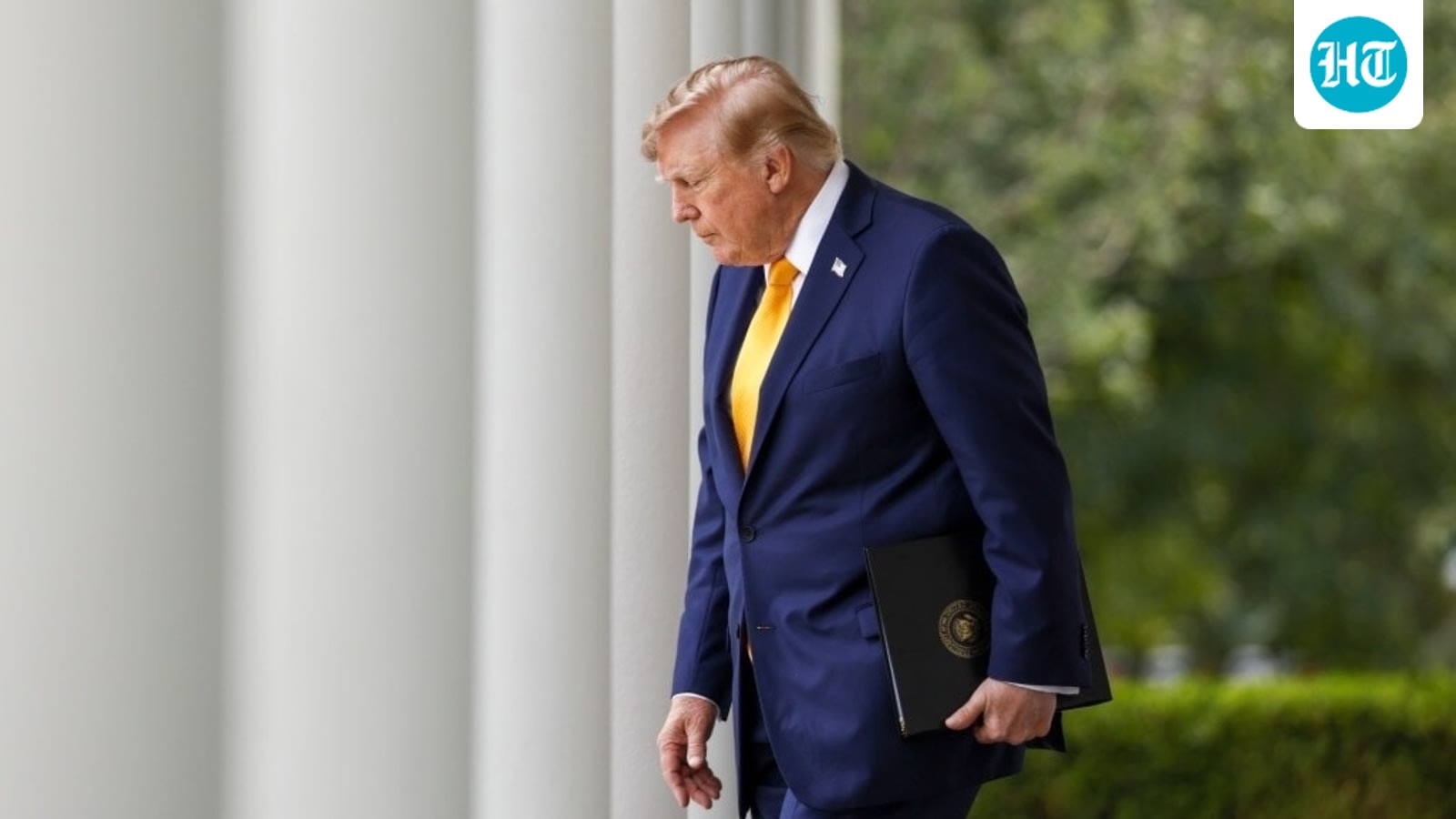
The Trump administration's proposal of a $103,000 H-1B visa fee reflects a broader trend of protectionist economic policies and diplomatic friction. This move, coupled with stalled trade talks, is contributing to a measurable decline in global favorability toward the United States.
The Economic and Diplomatic Costs of Protectionism
Recent reports concerning the Trump administration's proposal to implement a $103,000 fee for H-1B visas represent a significant escalation in the administration's 'America First' economic playbook. By placing a prohibitive cost on high-skilled migration, the policy signals a departure from traditional collaborative economic frameworks, prioritizing domestic protectionism over the globalized talent acquisition that has historically bolstered the U.S. technology sector.
Patterns of Diplomatic Inconsistency
This visa policy does not exist in a vacuum; it follows the recent breakdown of critical trade negotiations with Canada. Observers note that the U.S. position during these talks shifted unexpectedly, leading to accusations of the administration speaking in multiple voices. Such inconsistencies create a climate of uncertainty, making it increasingly difficult for long-standing allies to rely on the predictability of U.S. foreign policy, whether in trade or immigration.
The Erosion of Global Soft Power
Beyond individual policy decisions, the cumulative effect of these actions is a tangible decline in U.S. global influence. Data comparing Pew Surveys from 2023 and 2026 indicates a marked drop in the share of respondents in allied nations who view the United States favorably. This shift suggests that the administration's strategy, while intended to project strength, is inadvertently eroding the soft power that the U.S. has cultivated over decades of post-war diplomacy.
Strategic Challenges for Allied Nations
Despite the friction, allied governments in Europe and East Asia remain tethered to the U.S. due to its foundational role in the global economy. This creates a difficult paradox for international leaders: they must continue to engage with a partner whose policies frequently run counter to their own national interests. The necessity of this engagement does not mask the underlying frustration, as the U.S. continues to target its own allies with aggressive economic posturing.
Future Trends in International Relations
Looking ahead, the combination of high visa barriers and erratic trade behavior suggests that the U.S. may face continued isolation in its policy preferences. If the trend of falling favorability continues, the U.S. risks losing its position as a preferred partner for collaborative innovation. The ultimate outcome of this approach may be a more fragmented global economy, where allies seek alternative frameworks to mitigate the instability caused by the current U.S. administration's unpredictable economic stance.
Verification Required?