The failure happens at the 10,000-liter mark. In smaller labs in Singapore or Tel Aviv, the cells behave. They divide, they adhere, they grow. But as soon as you move to industrial-scale stainless steel tanks, the physics shift. The cells at the bottom are crushed by the hydrostatic pressure of the medium above them. The cells at the top starve for oxygen because the gas exchange rates can't keep pace with the biomass density. This isn't a software bug you can patch with a new seed round; it is a fundamental clash between mammalian biology and mechanical engineering.
Most synthetic beef startups relied on a linear projection of scalability. They assumed that if a 50-liter bioreactor worked, a 50,000-liter bioreactor would simply be a larger version of the same process. They ignored the square-cube law. As volume increases, the surface-area-to-volume ratio plummets (Source: BioProcess International, 2023). To get oxygen to the center of a massive tank, you have to stir the medium faster. Stirring faster increases shear stress, which literally rips the cell membranes apart. You end up with a tank full of dead cellular debris and expensive, wasted growth media.
The Scaling Delta: 2023 vs. 2024
Twelve months ago, the narrative was focused on regulatory approval. The industry was celebrating the first green lights in Singapore and the US. The conversation was about 'price parity' and 'consumer acceptance.' Fast forward to today, and the conversation has shifted to 'perfusion rates' and 'metabolic waste accumulation.' The delta is stark. The focus has moved from the front end (the burger) to the back end (the plumbing). We are seeing a quiet exodus of capital from 'pure play' cultivated meat companies toward hybrid models that mix plant proteins with a small percentage of animal cells to mask the scaling failures.
"We are fighting a war against lactic acid. In a living cow, the circulatory system removes waste in real-time. In a steel tank, the metabolites build up until the environment becomes toxic. We can't just pump more nutrients in; we have to get the waste out without killing the cells through filtration stress."— Dr. Elena Rossi, Lead Bio-Process Engineer at the Milan Cellular Ag Hub
This metabolic bottleneck creates a second-order consequence: the cost of media. To keep cells alive in a suboptimal steel environment, companies are forced to use higher concentrations of growth factors and stabilizers. These inputs are prohibitively expensive. According to industry analysis, the cost of pharmaceutical-grade fetal bovine serum or its synthetic alternatives remains the primary driver of the price floor (Source: GFI State of the Industry, 2023). When you combine high media costs with low yields due to cell death in large tanks, the unit economics collapse.
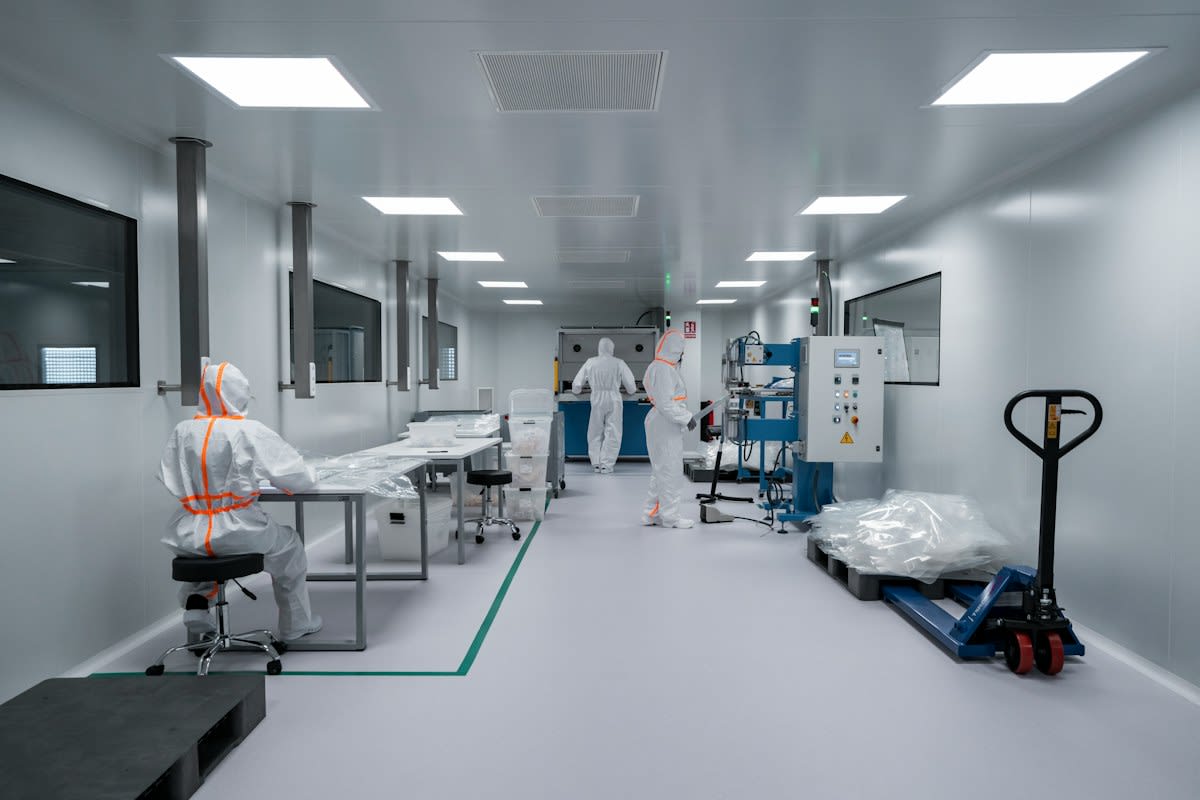
The third-order effect is the collapse of the 'animal-free' valuation premium. Investors originally bet on a total displacement of traditional livestock. Now, they are realizing that the 'steel tank' approach is an energy-intensive mimicry of a biological system that nature already perfected. The energy required to maintain sterile conditions, temperature control, and constant agitation in a 100,000-liter vat often exceeds the carbon footprint of a well-managed regenerative pasture. The environmental argument is evaporating as the engineering reality sets in.
| Metric | Lab-Scale (10L) | Industrial-Scale (10kL+) |
|---|---|---|
| Cell Viability | 95-98% | 60-75% |
| Oxygen Transfer Efficiency | High | Critical Bottleneck |
| Contamination Risk | Low/Manageable | Systemic/Catastrophic |
| Waste Removal (Lactic Acid) | Easy (Batch Change) | Complex (Continuous Perfusion) |
Look at the current state of facilities in hubs like Shenzhen or Singapore. They are not producing millions of tons of beef. They are producing small batches of high-end 'cell-cultured' delicacies for luxury hotels. This is a pivot in disguise. By repositioning as a luxury good, companies can justify the astronomical costs of small-batch production and avoid the 'bioreactor wall' entirely. They aren't solving the scaling problem; they are just narrowing the target market to people who can afford a $50 nugget.
Ground-Level Friction: The Ugly Reality
On the plant floor, the friction is visceral. A single microscopic breach in a seal or a contaminated batch of growth media can wipe out an entire month of production in a 20,000-liter tank. Unlike a brewery, where a contaminated batch just tastes off, a contaminated bioreactor is a biohazard that requires a full-system caustic scrub. The downtime is brutal. Engineers spend more time fighting biofilms and scrubbing stainless steel than they do optimizing cell growth. This operational fragility is rarely mentioned in investor decks.
Then there is the political infighting. In the US, we are seeing a legislative war. States like Florida and Alabama have moved to ban cultivated meat to protect traditional cattle ranching (Source: Reuters, 2024). This isn't just about culture wars; it's about systemic leverage. Ranchers know that the 'steel tank' model is struggling. By lobbying for bans now, they are ensuring that when the VC bubble finally bursts, there is no regulatory infrastructure left for the survivors to lean on. They are squeezing the industry while it is technically paralyzed.
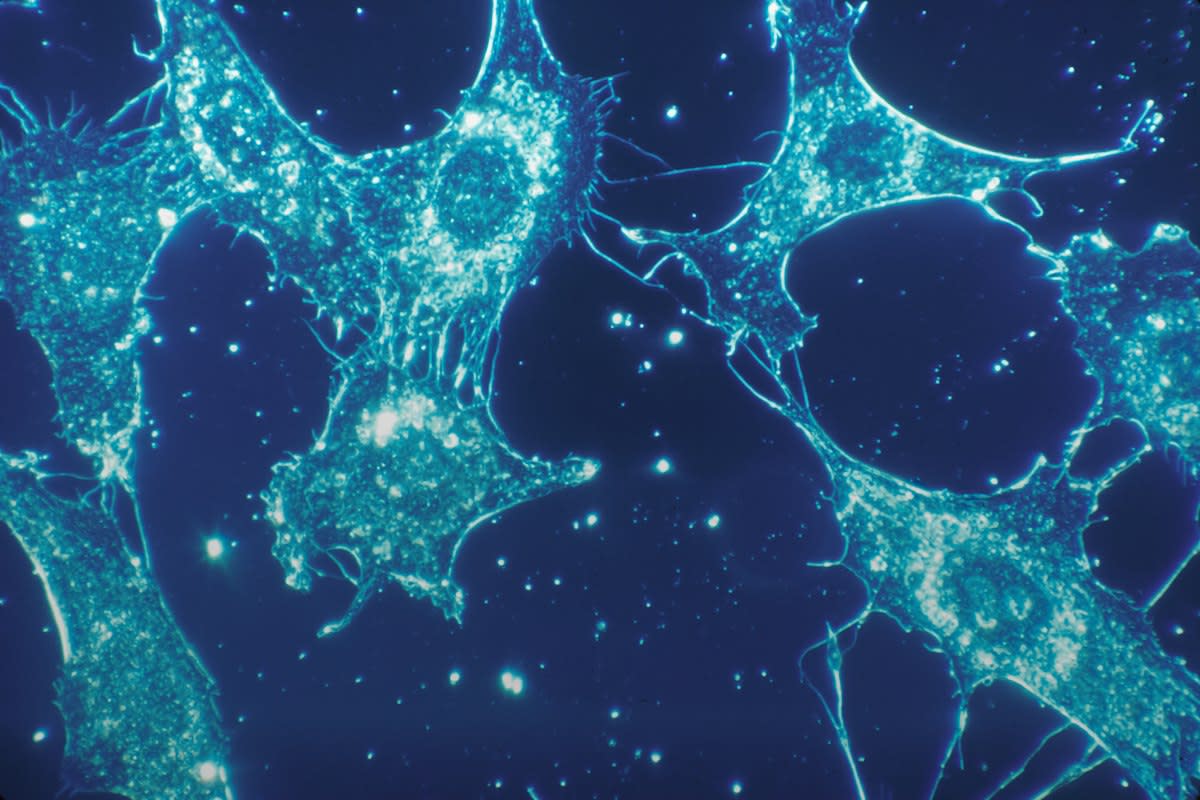
The ultimate irony is that the industry is now looking back at the very thing it tried to replace: the animal. Some researchers are proposing 'bioreactor-animals'—genetically modified livestock that produce high yields of muscle without the cognitive capacity for suffering. It is a desperate admission that the steel tank is an inefficient vessel for biology. The systemic leverage has shifted back to the organic. The market is beginning to value biological resilience over synthetic precision.
We are entering the era of the 'Great Correction.' The companies that survive will be those that stop trying to build a factory and start trying to build a better biological system. The dream of a sterile, steel-tank utopia is dead. What remains is a fragmented landscape of hybrid products and a renewed, expensive interest in the actual biology of the cow. The steel tanks are staying, but they'll likely be making beer, not beef.
Fact-Check & Accuracy Note
Settled: The physics of oxygen transfer (OTR) and shear stress are primary barriers to scaling mammalian cell cultures in stirred-tank bioreactors. Debated: Whether continuous perfusion technology can eventually offset metabolic waste buildup to a degree that achieves price parity with conventional beef. Unsettled: The total lifecycle carbon footprint of industrial-scale cellular agriculture compared to regenerative grazing.
Editorial Note
This analysis focuses on the systemic failure of hardware scaling. While specific companies may claim breakthroughs in scaffolding or serum-free media, the overarching trend shows a shift from 'disruption' to 'niche luxury' due to the inherent friction of bio-mechanical engineering.