Dismantling Fiefdoms: Inside Congress's New Strategy For Punjab
Source Entity
NDTV News Search Records Found 1000
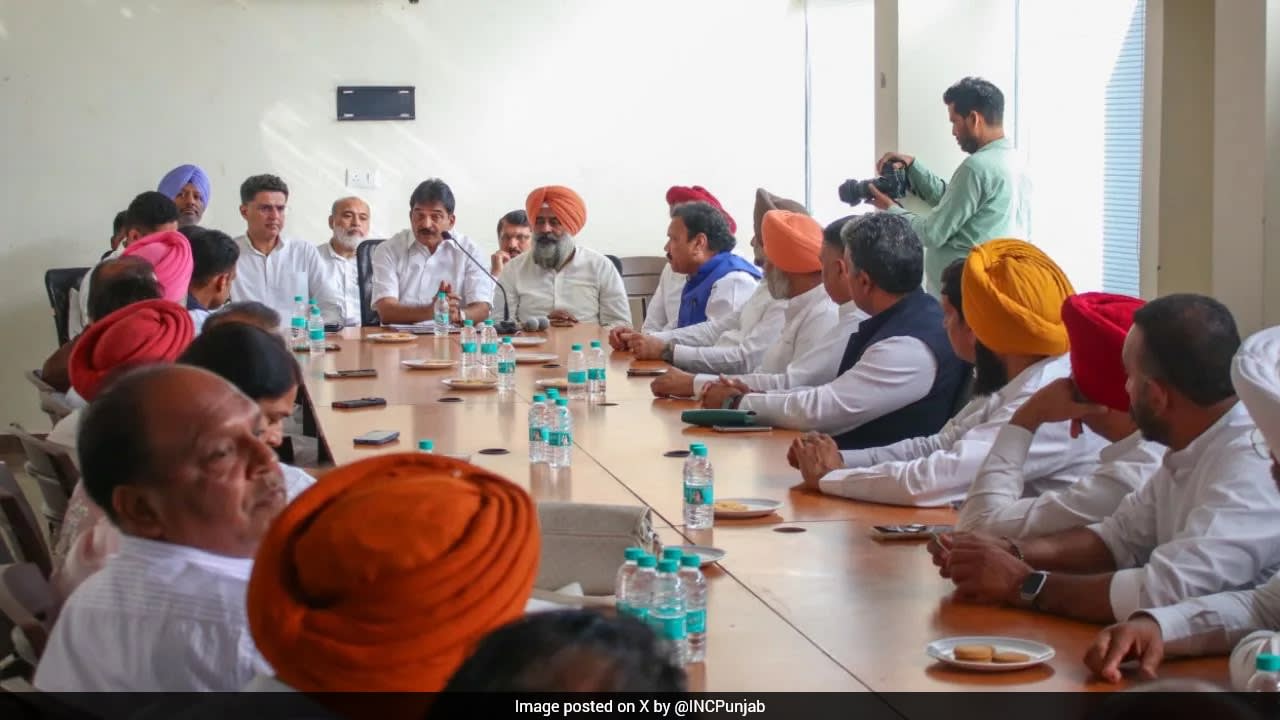
Punjab's political landscape ahead of 2027 is shifting as the AAP faces scrutiny over its 2022 anti-drug mandate. Meanwhile, the Congress party is attempting to reorganize its internal structure to move beyond factional fiefdoms.
The Shifting Political Landscape of Punjab: 2027 Outlook
As Punjab approaches the 2027 assembly elections, the political narrative is undergoing a significant transformation. The ruling Aam Aadmi Party (AAP), which achieved a historic mandate in 2022, now finds itself under intense scrutiny. A cornerstone of its previous campaign—the promise to eradicate the state's deep-rooted drug crisis—has transitioned from a winning slogan to a major political liability. The inability to fully resolve this issue has created a vulnerability that opposition parties are eager to exploit.
The AAP’s Growing Pressure
The central challenge for the AAP government lies in the gap between electoral promises and ground realities. By centering their 2022 campaign on the drug menace, the party effectively raised public expectations to an unsustainable level. As the 2027 race approaches, the failure to demonstrate decisive progress in dismantling drug networks has led to voter disillusionment. This shift suggests that the upcoming election may be defined less by traditional Panthik grievances and more by the tangible failure of governance in the social sector.
Congress and the Challenge of Internal Fiefdoms
Simultaneously, the Punjab Congress is undertaking a difficult internal recalibration. Historically, the party has functioned as a collection of competing personal networks, where high-profile regional leaders maintained their own power bases or 'fiefdoms.' This structure, while effective at mobilizing local support, has often hindered the party’s ability to present a unified front against the ruling administration. The current strategy aims to dismantle these silos to ensure better party cohesion.
The Impact of Structural Reform
The Congress party’s attempt to centralize its strategy is a direct response to the fractured leadership that hampered it in previous cycles. By attempting to move beyond individual regional ambitions, the party is trying to pivot toward a more collective identity. Whether this organizational shift will be enough to overcome the AAP’s existing infrastructure remains a key question for political analysts watching the state’s electoral trajectory.
Future Trends and Electoral Dynamics
Looking ahead to 2027, the intersection of the AAP’s accountability crisis and the Congress party’s structural restructuring will likely dictate the state's political future. If the ruling party cannot mitigate the drug crisis, the electorate may look for alternatives, but this is contingent on whether the Congress can effectively shed its reputation for internal factionalism. The decline of Panthik politics as the primary driver of discourse signals a shift toward more utilitarian, policy-based electoral considerations.
Conclusion
In summary, the 2027 Punjab election is shaping up to be a referendum on governance rather than ideology. With the AAP struggling to fulfill its primary mandate and the Congress attempting a top-down reorganization, the state is entering a period of high political volatility. The outcome will likely depend on which party can better convince the electorate that it can provide concrete solutions to the state's most pressing socio-economic challenges.
Verification Required?