Centre grants X-category security cover to families of Punjab anti-drug activists
Source Entity
Latest News: Todays Latest News Headlines from India & World | Hindustan Times
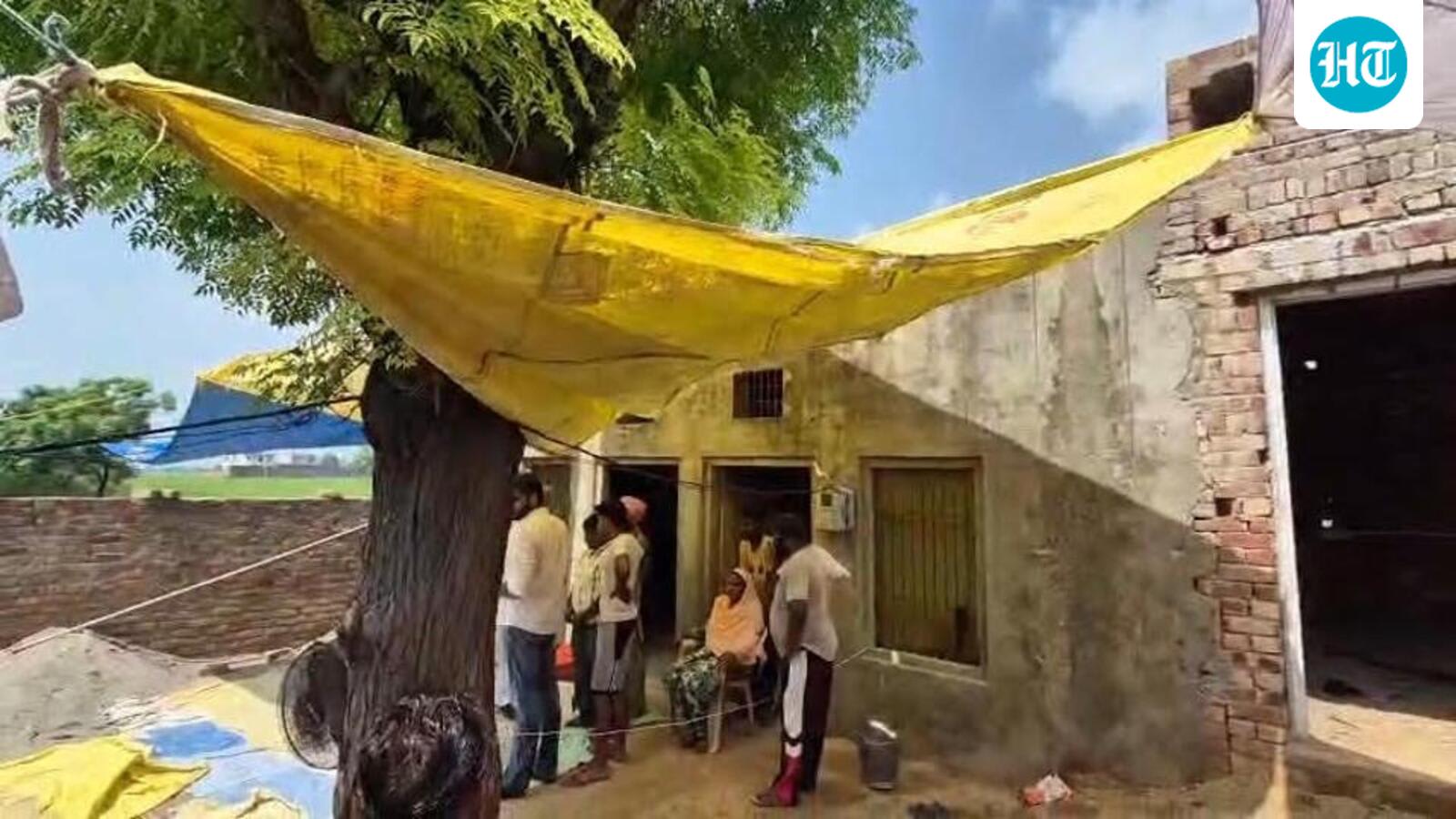
The Union Home Ministry has granted X-category security to the families of two anti-drug activists in Punjab following fatal incidents. This move reflects federal intervention amid growing concerns over targeted violence against those opposing the state's drug epidemic.
Federal Intervention in Punjab's Anti-Drug Struggle
The Union Ministry of Home Affairs (MHA) has officially extended X-category security cover to the families of two anti-drug activists in Punjab. This decision follows a high-level security review conducted by Union Home Minister Amit Shah, specifically addressing the spike in targeted violence against individuals who have publicly challenged the drug crisis in the state. By deploying three security personnel per protectee, the central government is signaling a direct intervention in the security landscape of Punjab.
The Catalyst: Confrontation and Tragedy
The necessity for this protection stems from the tragic death of a Dalit daily-wage worker in Dirba. On September 6, the victim confronted Punjab Finance Minister Harpal Singh Cheema during a public event in Toor Banjara village regarding the pervasive drug problem. The worker passed away the following day, an event that drew significant public outcry. This incident highlighted the extreme risks faced by ordinary citizens who attempt to hold public officials accountable for the state’s ongoing struggle with narcotics.
Expanding the Protective Umbrella
Beyond the Dirba incident, the MHA has extended similar security measures to the parents of an activist based in Mansa. This indicates that the federal government views the threats against anti-drug advocates as a systemic issue rather than isolated incidents. By providing standardized X-category protection, the state aims to mitigate the intimidation tactics used by drug syndicates and their associates to silence local dissenters.
Broader Implications for Punjab Politics
The move carries significant political weight, as it highlights a friction point between the central government and the state administration. The fact that the MHA has taken charge of security for these families suggests that federal authorities are dissatisfied with the local security apparatus's ability to protect activists. This dynamic is likely to intensify political discourse, as the opposition and activists alike may view this federal involvement as a critique of the state's current law and order management.
Contextualizing the Drug Crisis
Drug abuse remains a deeply entrenched issue in Punjab, often linked to cross-border smuggling and socio-economic despair. For years, activists have risked their lives to expose the networks fueling this epidemic. The granting of security cover is a tacit acknowledgment by the Union government that the fight against drugs has reached a level of volatility where civilian participants require state protection to survive. This development sets a precedent for how the central government may handle similar grassroots movements in the future.
Future Trends and Outlook
Looking forward, the deployment of security forces to these families is likely to serve as a deterrent against further targeted violence. However, it also underscores the fragility of civil society participation in Punjab's drug war. If the threat level continues to escalate, the MHA may be pressured to expand these security measures further. The ultimate test will be whether such protection can actually facilitate a safer environment for activists to operate without fear of lethal retaliation.
Verification Required?